

)
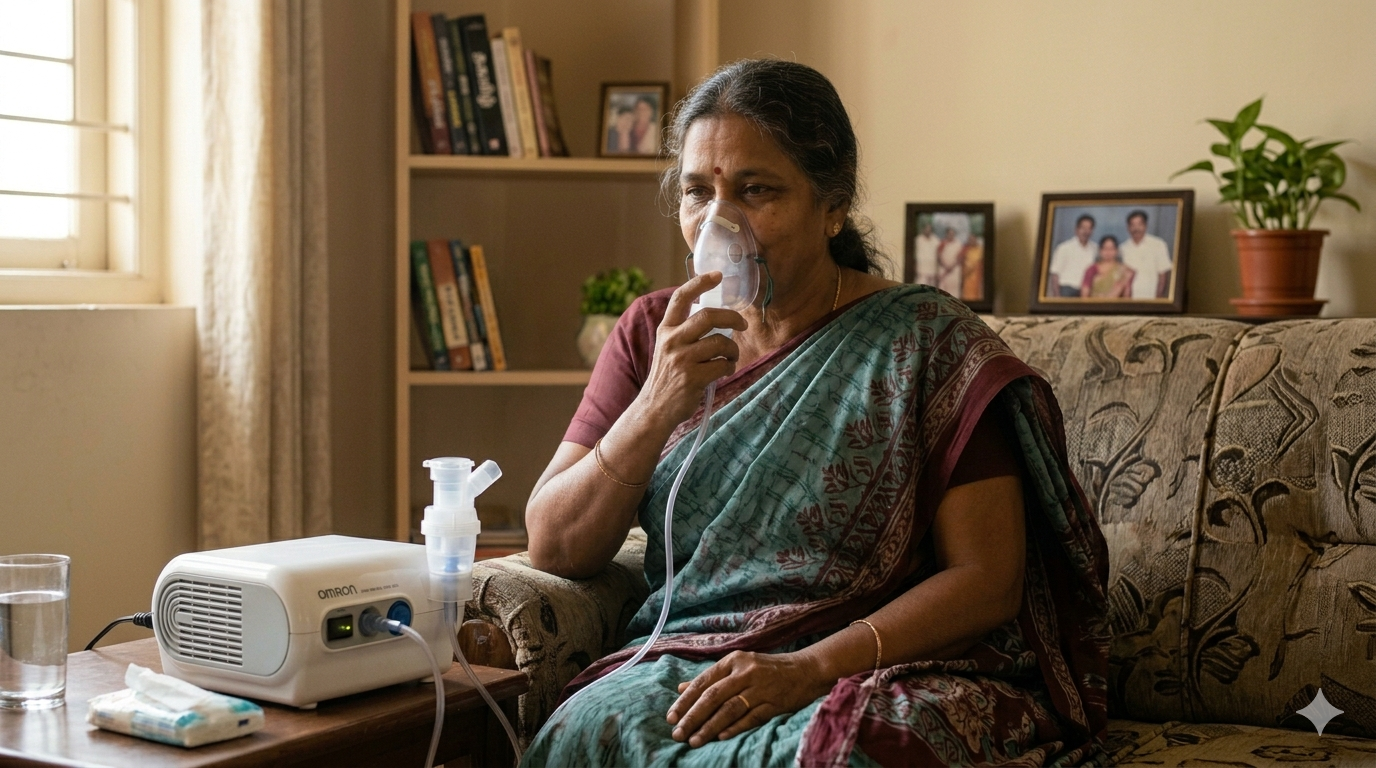
A new study has shed light on an important pattern in respiratory care: nebuliser use is most common in patients with more severe chronic obstructive pulmonary disease (COPD). The findings suggest that rather than being a routine early treatment, nebulisers are often used when the disease has already progressed significantly. COPD is a long-term lung condition marked by breathlessness, reduced airflow, and frequent flare-ups. As symptoms worsen, patients often require more intensive treatment, and that's where nebulisers come into play.
What The Study Found
The research published in European Medical Journal followed nearly 3,000 participants over several years, including both COPD patients and individuals exposed to tobacco. Key observations included:
- Nebuliser use was highest in patients with advanced COPD
- Nearly half of those with severe disease reported using nebulisers
- Use was strongly linked to frequent flare-ups (exacerbations)
- Patients with poorer lung function (low FEV1) were more likely to rely on nebulisers
- Higher symptom burden and reduced exercise capacity also predicted use
In simple terms, the more severe the disease, the more likely patients were to depend on nebulised therapy.
Also read: Can Ajwain Or Carom Seeds Help Treat Cough And Cold?
Why Nebulisers Are Used In Severe Cases
As per a study in the journal Lung India , nebulisers for COPD transform liquid medication into a fine mist for easier inhalation, providing an effective alternative for patients struggling with inhaler coordination or experiencing severe breathlessness. They are frequently used to deliver bronchodilators and steroids directly into the lungs over a 10-15 minute session, often helping to reduce COPD readmission rates. A nebuliser is a device that converts liquid medicine into a fine mist, allowing it to be inhaled directly into the lungs. Doctors often prescribe nebulisers when:
- Patients struggle to use inhalers correctly
- Symptoms are severe or worsening
- Quick relief is needed during flare-ups
The study suggests that nebulisers are often used reactively, meaning they are introduced when symptoms become difficult to control rather than earlier in the disease.
Link Between Nebulisers And Disease Severity
One of the most important takeaways is that nebuliser use is not causing severe COPD, but rather reflecting it. Patients using nebulisers were more likely to have:
- Frequent exacerbations
- Severe breathlessness
- Lower lung capacity
- History of asthma or overlapping respiratory conditions
This makes nebuliser use a marker of advanced disease, signalling that the patient may need closer monitoring and more intensive care.
A Gap In Treatment Approach?
Interestingly, the study also found that long-acting nebulised medications were rarely used, even among patients with severe disease. Instead, most patients relied on short-acting bronchodilators for quick relief. This raises an important question for doctors:Could treatment be optimised earlier to prevent disease progression? Experts suggest that better alignment between disease severity and treatment strategy could improve outcomes.
What This Means For Patients
For people living with COPD, the findings offer a clearer picture of where nebulisers fit into treatment. If you are using a nebuliser frequently, it may indicate more advanced disease
- It could signal the need for reviewing your treatment plan
- Early intervention and better disease control may help reduce dependence on emergency therapies
Patients should not see nebulisers as harmful, but rather as a tool used when symptoms become more severe.
Also read: No Longer A Smoker's Illness: The Hidden Lung Disease Epidemic Behind India's Winter Death Spike
The Importance Of Early Management
Doctors stress that COPD is a progressive disease, meaning it worsens over time if not properly managed. Early steps that can help slow progression include:
- Quitting smoking
- Using prescribed inhalers correctly
- Regular follow-ups with a doctor
- Staying physically active within limits
Proper management in earlier stages may reduce the need for more intensive treatments like nebulisers later on. The latest findings highlight a crucial insight: nebuliser use in COPD is closely tied to disease severity, not routine care. Rather than being a first-line treatment, nebulisers are often a sign that symptoms have progressed and require stronger intervention. For patients, this underscores the importance of early diagnosis, consistent treatment and regular monitoring, so that COPD can be managed effectively before it reaches advanced stages.
Disclaimer: This content, including advice, provides generic information only. It is in no way a substitute for a qualified medical opinion. Always consult a specialist or your own doctor for more information. NDTV does not claim responsibility for this information.