

)
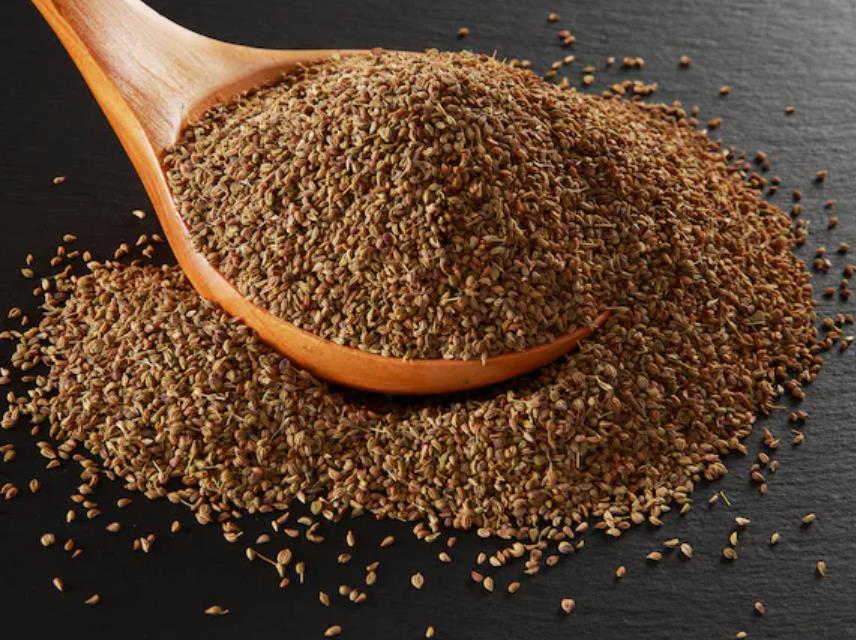
Ajwain, the tiny brown seed with a pungent flavour, can be found in every Indian spice cabinet. It is also known as carom seeds or trachyspermum ammi. This common spice has long been used to treat respiratory problems and ease symptoms like coughs and colds. Now, modern research is confirming these traditional uses and there are multiple reasons behind why carom seeds have become a sought after respiratory relief remedy. Scientists have identified powerful compounds in ajwain that support lung health by helping to clear congestion and soothe sore throats, which are common irritations during respiratory illnesses.
The primary active ingredient, thymol, gives ajwain its distinctive aroma and delivers most of its medicinal benefits. Research shows thymol has strong antiseptic properties, fighting bacteria and fungi that cause infections. When a cold causes airways to narrow and become inflamed, making breathing difficult, ajwain acts as a natural bronchodilator. It helps relax the muscles around the breathing tubes, allowing more air to flow through and easing discomfort. With growing scientific backing, ajwain is emerging as a natural remedy that could play an important role in respiratory health, reaffirming its value beyond the spice rack.
Can Ajwain Or Carom Seeds Help Treat Coughs and Colds?
The answer is yes, but only to a certain extent, as serious respiratory infections need medical intervention. A notable study published in the journal Fundamental and Clinical Pharmacology examined the cough-suppressant effects of carom seeds. Researchers compared the extract of carom seeds to codeine, which is a standard drug used in cough syrups. Here is what the result of this study said:
-
The results were significant, as the study found that the plant extract showed a positively reducing impact on perisistent coughing.
-
This simply means that it worked similarly to standard medicine. It reduced the frequency of coughs by soothing the throat and the windpipe.
Note: People who have serious respiratory conditions should consult a medical professional before using natural remedies to treat their symptoms.
Read More: Can Chewing Ajwain After Dinner Relieve Acidity, Gas And Bloating?
Relaxing The Air Passages
Another study published in Ethnobotanical Leaflets focused on the bronchodilatory effects of carom seeds. The research tested how carom seeds affect the muscles of the trachea, which is a medical term for the windpipe. The study found that the seeds contain compounds that block certain receptors. These receptors usually cause the airways to tighten during an allergy or cold. By blocking them, carom seeds help the lungs to stay open and function better.
Fighting Infections
Research in the Journal of Pharmacy and BioAllied Sciences highlights the antimicrobial power of carom seeds. The study noted that the essential oils in the seeds are effective against several strains of bacteria. This is crucial because a viral cold can sometimes lead to a secondary bacterial infection. Through using a small amount of carom seeds, people may help the body prevent these irritating cold and cough issues.
How To Use Ajwain For Cold And Cough Relief
There are several ways to use carom seeds at home in a simple and effective manner. Here are some of them:
- Ajwain Steam Inhalation: Add one teaspoon of carom seeds to a bowl of boiling water. Inhale the steam for 5 to 10 minutes. This helps clear nasal blockages. The thymol travels directly into the respiratory tract.
- Ajwain Water (Kadha): Boil a teaspoon of seeds in a cup of water until the water reduces by half. Strain it and drink it warm. This acts as a tool that helps clear mucus (phlegm) from the respiratory tract and makes it easier to cough up the 'thin mucus'. This property is known as being an expectorant. It thins the mucus, making it easier to get rid of.
- The Ajwain Potli: For infants and children, a 'potli' is often used. Roast ajwain seeds in a pan. Wrap them in a clean muslin cloth. Place the warm cloth near the chest or nose. The warm vapours help open the airways.
- Ajwain and Jaggery: Mix crushed seeds with a small piece of jaggery. Consume this twice a day. This combination is known to reduce dry cough.
Read More: Does Consuming Ajwain Oil Offer Instant Relief From Cold Symptoms?
Safety And Precautions Of Ajwain Or Carom Seeds
While carom seeds are a natural remedy, they are very pungent and hit the tongue once consumed. Here are the safety and precautionary tips to keep in mind while consuming carom seeds:
- There are studies that indicate that high doses of carom seeds can cause acidity or a burning sensation in the stomach.
- It may also lead to nausea in some individuals.
- Pregnant women should consult a doctor before consuming large amounts.
- The spice can increase body heat, and it is always best to use it in moderation.
- For chronic respiratory conditions like asthma, carom seeds should complement medical treatment, not replace it.
Carom seeds are a powerful functional food, as per scientific studies. Research confirms that its traditional use can act as a cough suppressant and an airway relaxer. It also fights the germs that cause illness. Adding a little carom seed to your routine during the winter months can provide natural relief from colds and coughs. It is an affordable and accessible way to manage the common cold effectively.
Disclaimer: This content, including advice, provides generic information only. It is in no way a substitute for a qualified medical opinion. Always consult a specialist or your own doctor for more information.