

)
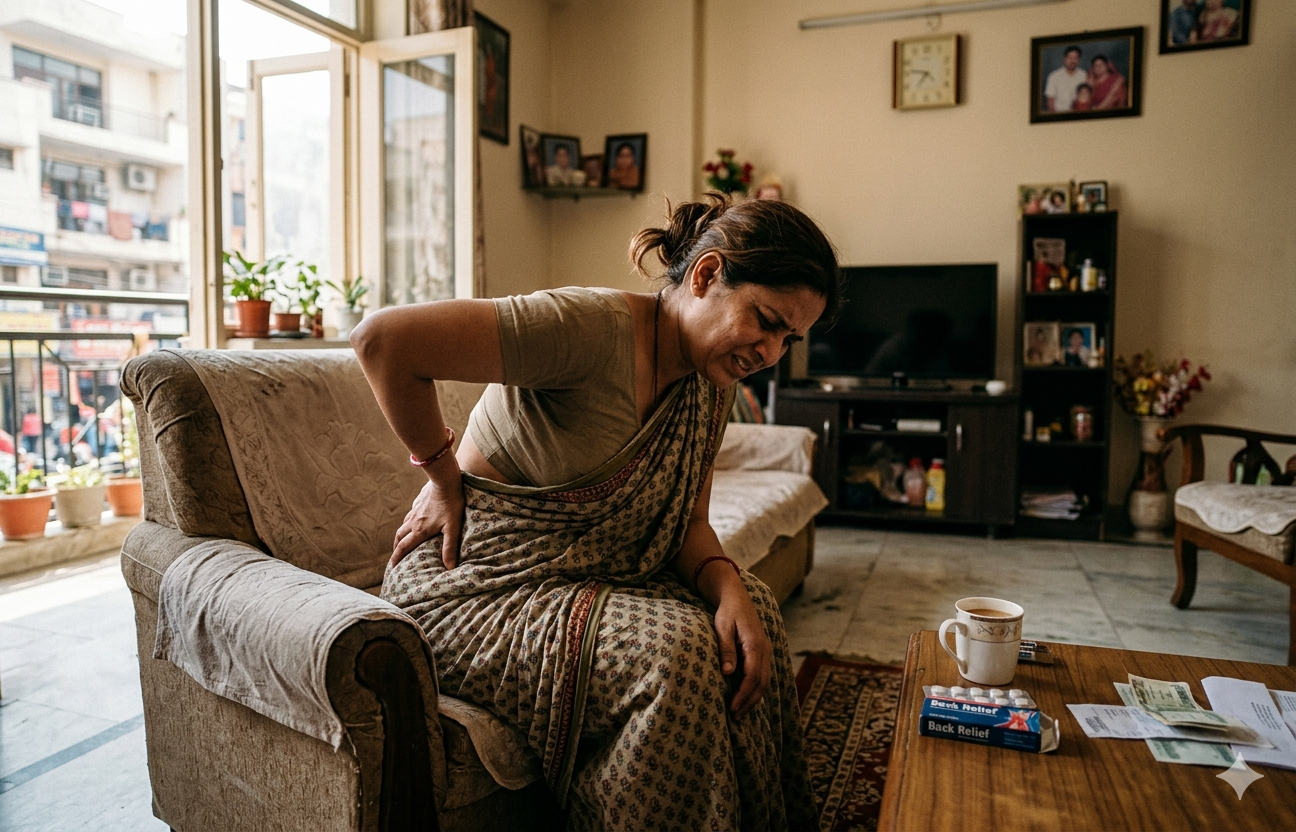
Lower back pain is one of the most common health problems affecting people of all ages. It can happen after lifting something heavy, sitting for long hours, sleeping in an awkward position, or even due to stress. While the pain is often temporary, it can affect daily activities like walking, working, or exercising. Due to this discomfort, a lot of people reach out for painkillers as their first solution. However, experts say that medication is not always the best or only answer, especially for mild to moderate lower back pain.
In a lot of cases, a few simple lifestyle changes, gentle movement, and home remedies can help ease the pain naturally. These not only reduce discomfort but may also address the underlying cause, lowering the chances of the pain returning. Here are some things you can try before relying on painkillers.
1. Stay Active Instead Of Staying In Bed
Many people believe complete bed rest is the best thing for back pain, but this is often not true. Resting for a day or two may be helpful if the pain is severe, but staying in bed for too long can make the muscles weaker and increase stiffness. Gentle activities such as walking, stretching, or moving around the house help improve blood flow and keep the back muscles active. Start slowly and avoid movements that make the pain worse.
2. Try Stretching
Tight muscles around the lower back, hips, and hamstrings can contribute to back pain. Gentle stretching can improve flexibility and reduce muscle tension. Simple stretches such as the child's pose, knee-to-chest stretch, cat-cow stretch, or pelvic tilts are usually recommended. Perform them slowly without forcing your body. Stop immediately if any stretch increases your pain.
3. Apply Heat Or Cold Therapy
Using a cold pack during the first 24 to 48 hours after a sudden injury can help reduce swelling and numb pain. Wrap the ice pack in a cloth and apply it for about 15 to 20 minutes at a time. After the initial period, a heating pad or warm compress may be more helpful. Heat relaxes tight muscles, improves circulation, and often provides soothing relief from stiffness.
4. Improve Your Sitting Posture
Poor posture is a common reason for recurring lower back pain, especially among people who spend long hours at a desk. Sit with your feet flat on the floor, your back supported, and your shoulders relaxed. Avoid slouching or leaning forward for extended periods. If you work at a computer, adjust your chair and screen so your body stays in a comfortable, neutral position. Standing up and stretching every 30 to 60 minutes can also make a big difference.
5. Strengthen Your Core Muscles
Your abdominal and back muscles work together to support your spine. Weak core muscles can put extra pressure on the lower back. Simple strengthening exercises like bridges, bird-dog exercises or gentle planks, when performed correctly, can improve spinal support. If you have ongoing pain, consult a physiotherapist before starting a new exercise routine.
6. Pay Attention To How You Lift Things
Incorrect lifting techniques are a frequent cause of back injuries. When lifting heavy objects, bend your knees instead of your waist, keep the object close to your body, and avoid twisting while lifting. If an object feels too heavy, ask for help rather than risking a back strain.
7. Manage Stress And Get Better Sleep
Stress may not seem connected to back pain, but it can cause muscles to tighten, making pain feel worse. Relaxation techniques such as deep breathing, meditation, or gentle yoga may help reduce muscle tension. Good-quality sleep is equally important. A good mattress and sleeping position can reduce strain on the lower back. Sleeping on your side with a pillow between your knees often helps maintain better spinal alignment.
Know When To See A Doctor
Most cases of lower back pain improve within a few weeks with self-care. However, you should seek medical attention if the pain is severe, lasts longer than a few weeks, or keeps coming back. See a doctor immediately if back pain is accompanied by fever, unexplained weight loss, numbness in the legs, weakness, loss of bladder or bowel control, or pain following a serious fall or accident. These symptoms could point to a more serious condition.
Disclaimer: This content including advice provides generic information only. It is in no way a substitute for a qualified medical opinion. Always consult a specialist or your own doctor for more information. NDTV does not claim responsibility for this information.