

)
For many women living with polyendocrine metabolic ovarian syndrome, or PMOS, following a healthy diet often feels like the first step toward managing symptoms. However, despite cutting out sugar, eating clean, and staying consistent, many still struggle with stubborn weight gain, irregular periods, acne, or fatigue.
According to nutritionist Lovneet Batra, the problem arises when you are treating the symptoms instead of addressing the underlying causes. In her latest Instagram post, she helps identify the specific root cause type and shares how to fix it.
Metabolic PMOS
The nutritionist explains that metabolic PMOS is driven by insulin spikes, and symptoms often include lower belly fat, skin tags, and excessive sweet cravings. To reverse this type of PMOS, she advises swapping high-GI carbs for high-protein, low-GI meals.
Best foods to have: Moong or besan chilla, paneer, cinnamon water
Inflammatory PMOS
According to her, inflammatory PMOS is often driven by gut and cellular inflammation. Rather than being a separate subtype, this inflammatory response interacts closely with metabolic and genetic factors to perpetuate hormonal imbalances. Cystic acne, constant bloating, and brain fog are some of the most common symptoms. “Cut seed oils, load up on Omega-3s and anti-inflammatory fats,” she explains.
Best foods to have: Turmeric milk, walnuts, and chia seeds
Adrenal PMOS
The nutritionist shares that this type of PMOS is driven by stress and high cortisol. Some of the most common symptoms include hair thinning, anxiety, and afternoon crashes. To reverse this, the nutritionist recommends ditching empty-stomach caffeine and adding magnesium-rich foods to the diet.
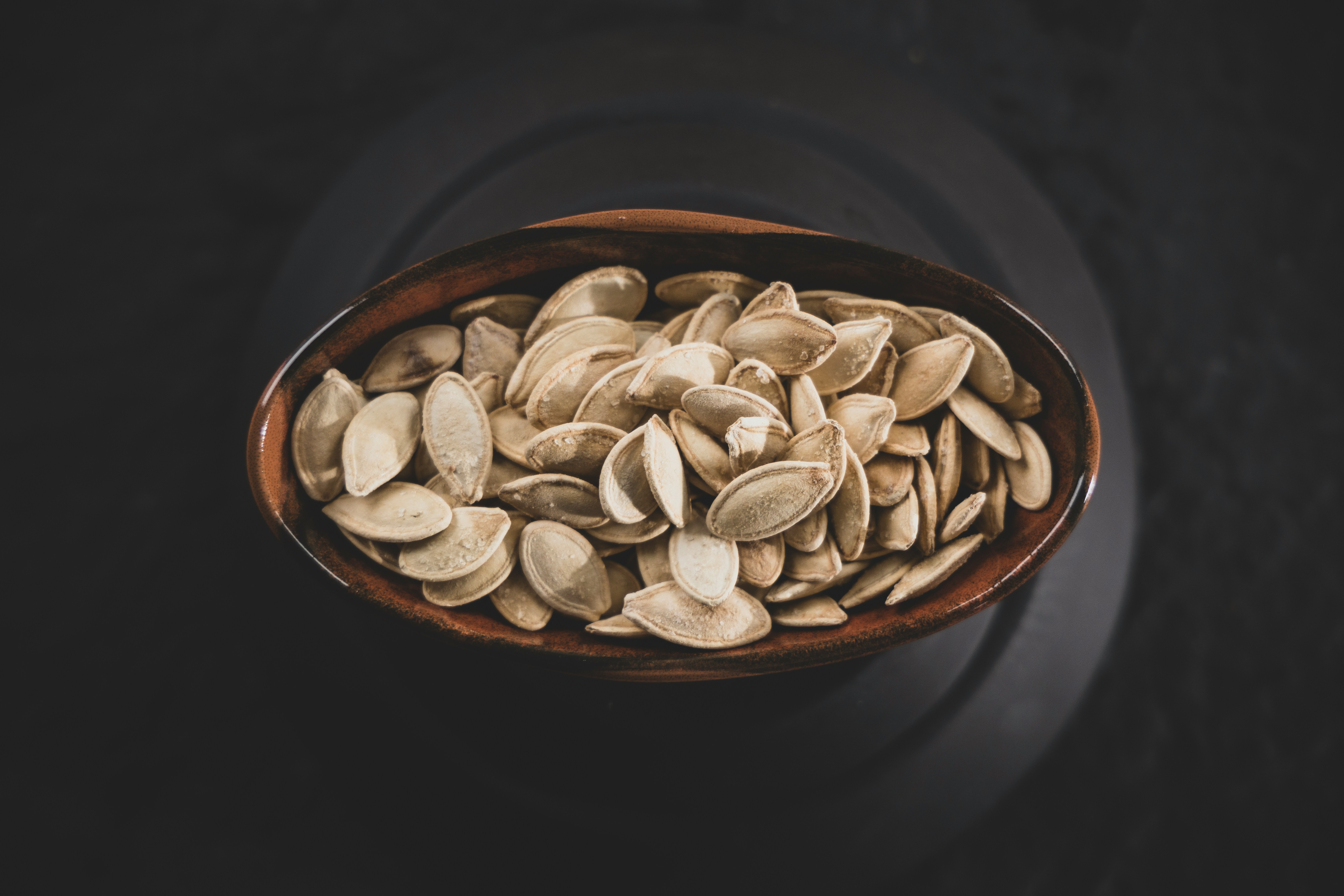
Best foods to have: Nutmeg milk, pumpkin seeds, avocados
Post-Pill PMOS
Driven by synthetic pill depletion, some of the most common symptoms of post-pill PMOS are lost or irregular cycles after birth control. To fix this, the nutritionist advises including probiotic foods in the diet that support liver detox and rebuild gut flora.
Best foods to have: Psyllium husk, green vegetables, buttermilk, and kanji
Lastly, she explains that most internet-recommended PMOS diets fail because they are not one-size-fits-all. PMOS is a metabolic disorder driven by distinct root causes. That is why it is important to target the root cause and build specific diets around it.
Disclaimer: This content including advice provides generic information only. It is in no way a substitute for a qualified medical opinion. Always consult a specialist or your own doctor for more information. NDTV does not claim responsibility for this information.