

)
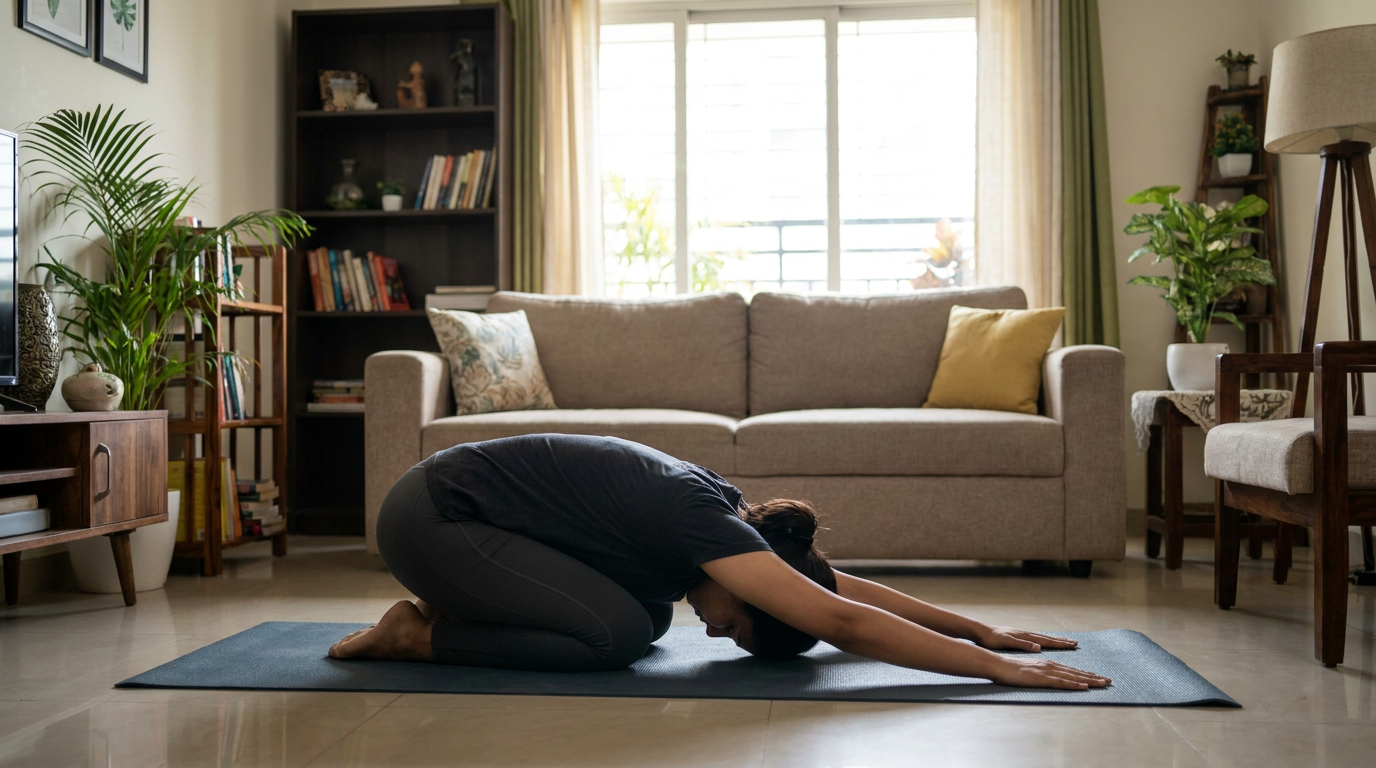
Yoga is known for improving both physical and mental well-being. There are certain yoga asanas that are effective as well as simple to perform, one of them being Balasana. Also known as Child's Pose, this is a yoga pose that is suitable for beginners and experienced yoga practitioners alike. It is often used as a resting pose during yoga sessions because it helps the body relax while gently stretching several muscles. Even though the asana looks simple, it has several benefits when practised correctly and regularly.
This pose also encourages deep breathing, helps release tension in the back and shoulders, and promotes a sense of calm. It is also a good way to reconnect with your breath after more challenging yoga poses. Although Balasana is generally considered safe, it may not be suitable for everyone. Understanding the correct technique, its benefits, and the situations in which it should be avoided can help you practise it safely and effectively.
What Is Balasana?
Balasana comes from the Sanskrit words "Bala," meaning child, and "Asana," meaning posture. It resembles the natural resting position of a child, with the body folded forward and the forehead resting on the floor. The pose is practised in different styles of yoga and is often included during warm-ups, cool-downs, or relaxation sessions. Although it is considered a resting pose, Balasana stretches the hips, thighs, ankles, and lower back.
How To Do Balasana Correctly
Follow these simple steps to perform Balasana:
- Begin by kneeling on a yoga mat with your big toes touching and your knees together or slightly apart
- Sit back so that your hips rest on your heels
- Slowly bend forward from your hips
- Stretch your arms forward with your palms facing down, or keep them relaxed alongside your body
- Rest your forehead gently on the mat
- Allow your shoulders, neck and jaw to relax
- Take slow, deep breaths and stay in the pose for 30 seconds to one minute, or longer if comfortable
- To come out of the pose, slowly lift your head and upper body while inhaling
Benefits Of Balasana
1. Relieves Back And Neck Tension
Balasana gently stretches the muscles of the lower back, shoulders and neck. It can help reduce stiffness caused by long hours of sitting or standing and may ease mild back discomfort.
2. Promotes Relaxation
This pose encourages slow and controlled breathing, which helps calm the nervous system. It is often used to reduce stress, anxiety, and mental fatigue after a busy day.
3. Improves Flexibility
Regular practice helps improve flexibility in the hips, thighs, knees, and ankles. It also gently lengthens the spine, which can improve overall mobility.
4. Improves Breathing
As the chest expands and contracts during deep breathing, Balasana promotes mindful breathing. This may improve lung function and help people become more aware of their breathing patterns.
5. Supports Healthy Digestion
The gentle pressure on the abdomen while bending forward may stimulate digestive organs and support healthy digestion. Practising the pose may help reduce bloating in some people.
6. Reduces Fatigue
Balasana provides both physical and mental rest. Even a few minutes in the pose can help refresh the body.
7. Improves Posture
By gently stretching the spine and relaxing tight muscles around the shoulders and back, Balasana may contribute to better posture over time when combined with regular exercise and proper body mechanics.
Limitations Of Balasana
While Balasana offers many benefits, it also has certain limitations.
- It is not a strength-building pose and should be combined with other yoga postures for a balanced routine
- The pose may not provide a deep stretch for people with higher flexibility
- Some individuals may find it uncomfortable if they have tight hips or knee stiffness
- It may not be suitable during certain medical conditions or injuries without professional guidance
- Benefits are usually noticeable with regular practice rather than after a single session
Who Should Do Balasana?
Balasana can be beneficial for:
- Beginners learning yoga
- People looking for a gentle stretching exercise
- Office workers who experience stiffness in the back, neck, or shoulders
- Individuals seeking stress relief and relaxation
- Older adults who can comfortably kneel and bend forward
- Anyone looking for a gentle recovery pose during a yoga practice
Who Should Avoid Balasana?
Although Balasana is generally safe, some people should avoid it or modify the pose.
- Individuals with recent knee, ankle, or hip injuries
- People with severe arthritis affecting the knees or hips
- Those with serious lower back injuries unless advised by a healthcare professional
- Individuals recovering from abdominal surgery
- People with uncontrolled high blood pressure or severe dizziness should seek medical advice before practising
- Pregnant women, especially in later stages, may need to modify the pose by keeping the knees wide apart or using props. They should practise only under the guidance of a qualified prenatal yoga instructor.
Disclaimer: This content including advice provides generic information only. It is in no way a substitute for a qualified medical opinion. Always consult a specialist or your own doctor for more information. NDTV does not claim responsibility for this information.