

)
Traditional Indian meals are nutritious and balanced, but changing lifestyles and eating habits may leave many women short of essential nutrients. Nutritionist Lovneet Batra says the solution is not to give up traditional foods, but to make smarter additions to everyday meals.
In an Instagram post, Batra explains that while Indian food is delicious, the modern urban lifestyle has created "systemic micronutrient gaps" that can affect women's hormonal health. She adds that these deficiencies can be addressed by strategically including nutrient-rich foods in the daily diet.
“You don't need to abandon your traditional foods—you just need to upgrade your plate strategically!” she shares, encouraging to incorporate nutrient-dense foods into regular meals to address the deficiencies.
1. Protein
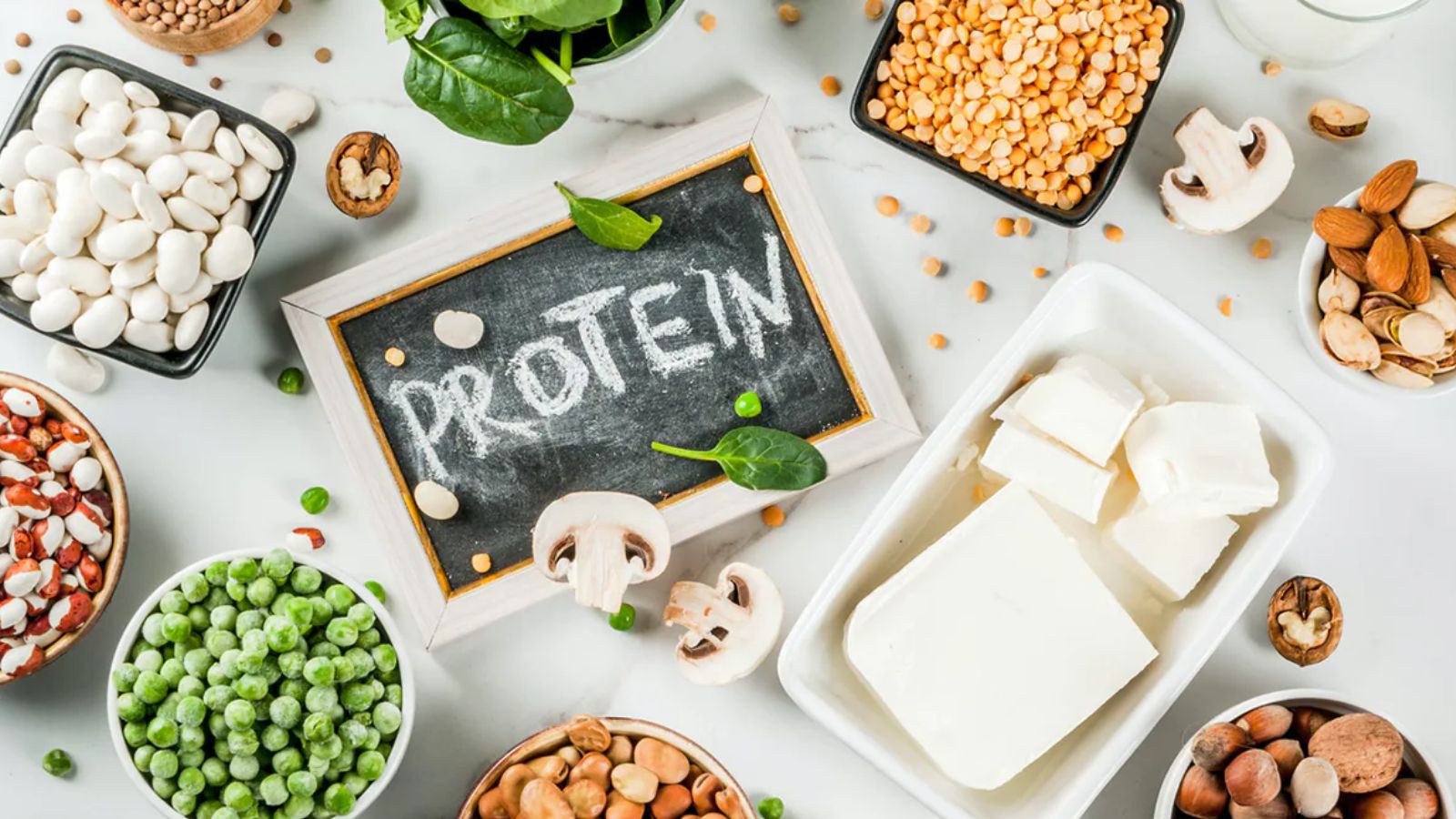
Batra says protein is one of the biggest nutritional gaps in many Indian diets. While a typical plate of dal and rice provides some protein, it often falls short of daily requirements, especially for women. She recommends adding foods such as paneer, tofu or tempeh, moong or besan sprouts, sattu and organic eggs to improve daily protein intake.
2. Omega-3
According to Batra, omega-3 plays an important role in building reproductive hormones. Reproductive hormone deficiencies trigger irregular periods and severe pre-menstrual bloating. She notes that Indian kitchens largely rely on refined vegetable and seed oils, which may not provide enough omega-3s.
To bridge the gap, she suggests including soaked walnuts, chia seeds, flaxseeds, hemp seeds, and cold-pressed mustard or coconut oil in the diet.
3. Vitamin D
Despite living in a sunny country, vitamin D deficiency remains common among Indian women, Batra says. She recommends 15 minutes of direct midday sunlight between 11 am and 2 pm, along with dietary sources such as fortified milk or plant-based milk, mushrooms and egg yolks.
4. Calcium
Calcium is essential for maintaining healthy bones, but Batra points out that many people consume tea more often than milk, which may affect calcium absorption. She recommends foods including ragi, sesame seeds, chia seeds, amaranth flour and tofu to improve calcium intake.
5. Magnesium
Batra says chronic stress can deplete the body's magnesium levels, making it another nutrient women should pay attention to. Her suggested sources include dry-roasted makhana, pumpkin seeds, soaked almonds, cooked spinach or amaranth greens, and dark chocolate containing at least 75% cocoa.
Disclaimer: This content including advice provides generic information only. It is in no way a substitute for a qualified medical opinion. Always consult a specialist or your own doctor for more information. NDTV does not claim responsibility for this information.