

)
The onset of the monsoon season is a relief from the scorching heat for many. It leads to a considerable drop in temperatures, but changes in humidity, lifestyle, and temperature can be detrimental to health, especially for patients suffering from hypertension. The mere assumption that blood pressure is only applicable during the winter is incorrect, as it varies with the rainy season as well. The combination of cooler temperatures, a change in the diet, a decrease in physical activity, the occurrence of infections, and noncompliance with medications causes an uncontrollable blood pressure issue. Patients suffering from hypertension, heart disease, diabetes, and kidney disease are advised to be aware during the rains.
Why does blood pressure fluctuate during the monsoon?
The human body continually adapts according to changes in climate. During monsoon time, lower temperatures can constrict blood vessels in some people, while high humidity makes it hard to manage temperature. Such changes may cause blood pressure to change. Another common reason for spikes in blood pressure is limited physical activity. Prolonged rain often leads to being inactive outdoors, together with more fried, salty, and processed food intake at this time. High salt intake can lead to water retention and increased blood volume. Sometimes, people tend to drink less and be mildly dehydrated, which can also impact their circulation.
Monsoon infections can indirectly affect blood pressure:
The time of year when the rains start is deemed to be a risky period for different diseases like viral fever, dengue, malaria, flu, and gastrointestinal illnesses, of which the most notable ailments are fever, vomiting, diarrhea, and eating problems, which can cause dehydration and imbalance of salts and minerals, and changes in blood pressure impact people! Those who take blood pressure medications can experience low blood pressure coupled with dizziness if they have dehydration. At the same time, some infections, accompanied by responses in the body, might be connected with an increased blood pressure. Those suffering from arterial hypertension are urged to consult with a doctor in case of long-lasting fever, diarrhea, vomiting, and weakness during the wet season.
Who needs to be extra cautious?
The following groups of people are particularly prone to blood pressure problems during the rainy season:
- Individuals with hypertension
- Seniors (elderly)
- Diabetics
- Individuals with chronic renal failure
- Heart disease or stroke survivors
- Pregnant women who suffer from high blood pressure
- Individuals who take many antihypertensive or diuretic medications
They are to keep track of their blood pressure levels regularly and should visit a doctor if they suffer from changes in their blood pressure readings or any new symptoms.
Warning signs that should never be ignored:
Hypertension is often referred to as a "silent killer" as it doesn't usually produce symptoms. However, it may show symptoms when there are major fluctuations in blood pressure.
- Severe headaches
- Dizziness or lightheadedness
- Blurry vision
- Chest pain
- Difficulty breathing
- Heart palpitations
- Swollen legs
- Confusion or weakness in one side of the body
All the symptoms listed above require immediate medical attention.
Simple precautions to keep blood pressure under control:
In order to manage blood pressure throughout the rainy season, it is important to maintain proper habits consistently and not make changes to medication only according to the season.
- Keep taking prescribed medication as instructed by the physician. Never make changes or stop taking medications without prior consultation.
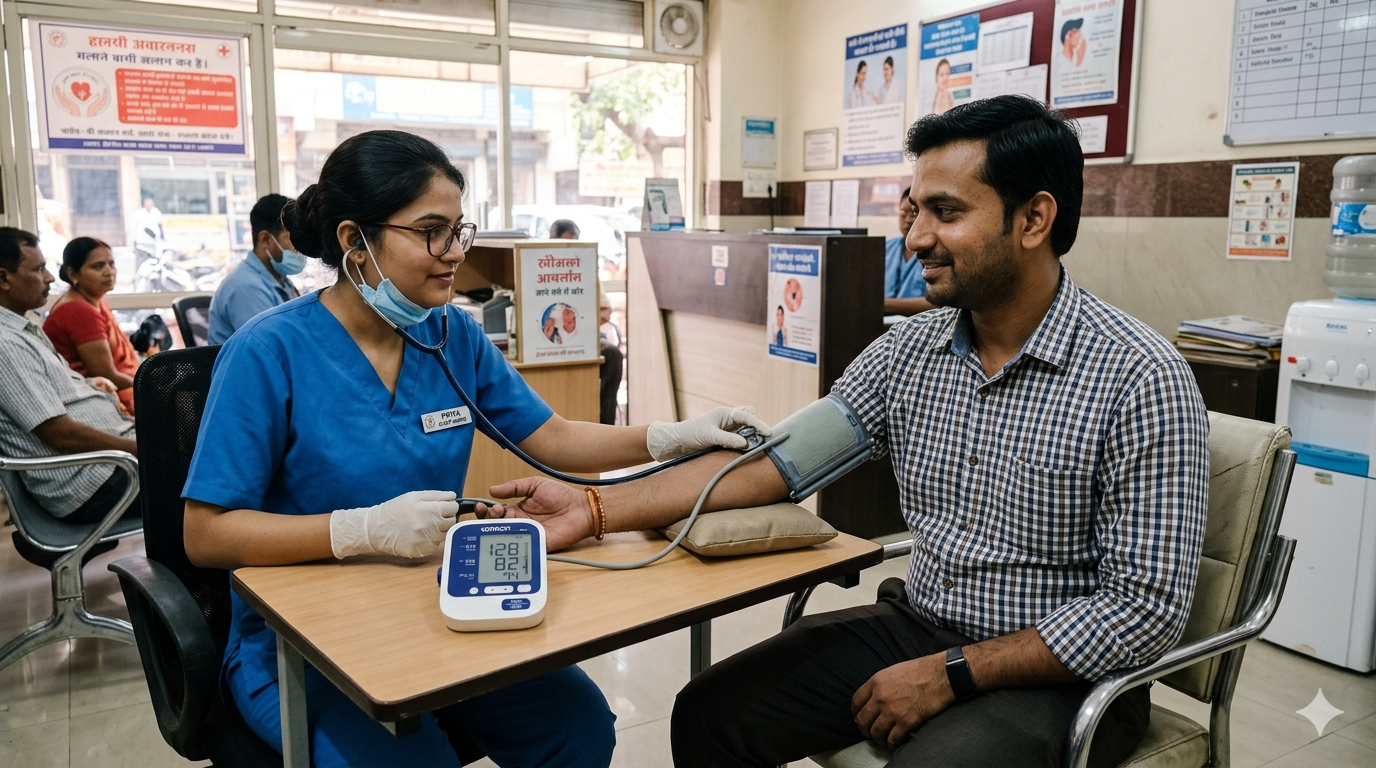
- Regularly check blood pressure, usually with a focus on the times when the figure was unstable for some time, and the treatment changes had recently been carried out.
- Ensure proper hydration even if no thirst is felt unless the doctor instructed otherwise.
- Follow appropriate nutrition by limiting salt use and giving up eating fried foods, pickles, and packaged foods regularly eaten during the rainy season.
- Follow a regular exercise program indoors or use walking/yoga if outdoor exercises are impossible.
- Practice hygiene to make it less likely to get seasonal infections.
- Be sure to sleep and manage stress appropriately since both factors may affect the control of blood pressure.
The bottom line:
It is true that monsoons do not cause high blood pressure, but the changes associated with this season can result in changes in the body that might lead to dangerous conditions for those already suffering from the disease. Thus, to remain healthy during the rainy season, it is advisable to continue healthy lifestyle practices, drink enough fluids, take medications regularly, monitor blood pressure at home, and consult a doctor. With the right approach, many people do not have to worry about their blood pressure levels during this time of the year.
(Dr. Manisha Arora, Director - Internal Medicine at the CK Birla Hospital, Delhi)
Disclaimer: The opinions expressed within this article are the personal opinions of the author. NDTV is not responsible for the accuracy, completeness, suitability, or validity of any information on this article. All information is provided on an as-is basis. The information, facts or opinions appearing in the article do not reflect the views of NDTV and NDTV does not assume any responsibility or liability for the same.