

)
Indian food often gets labelled as “too heavy” or “unhealthy,” especially when people are trying to eat clean or lose weight. But the truth is, most traditional Indian meals are actually quite balanced. The problem usually is not the food itself – it is how often we eat it, how it is cooked, and how much we eat in one go.
Nutritionist Nmami Agarwal breaks this down in a fun Instagram video where she rates popular Indian foods “with no bias, only science.” Her goal is simple: to show that you do nit need to give up your favourites, just understand them better.
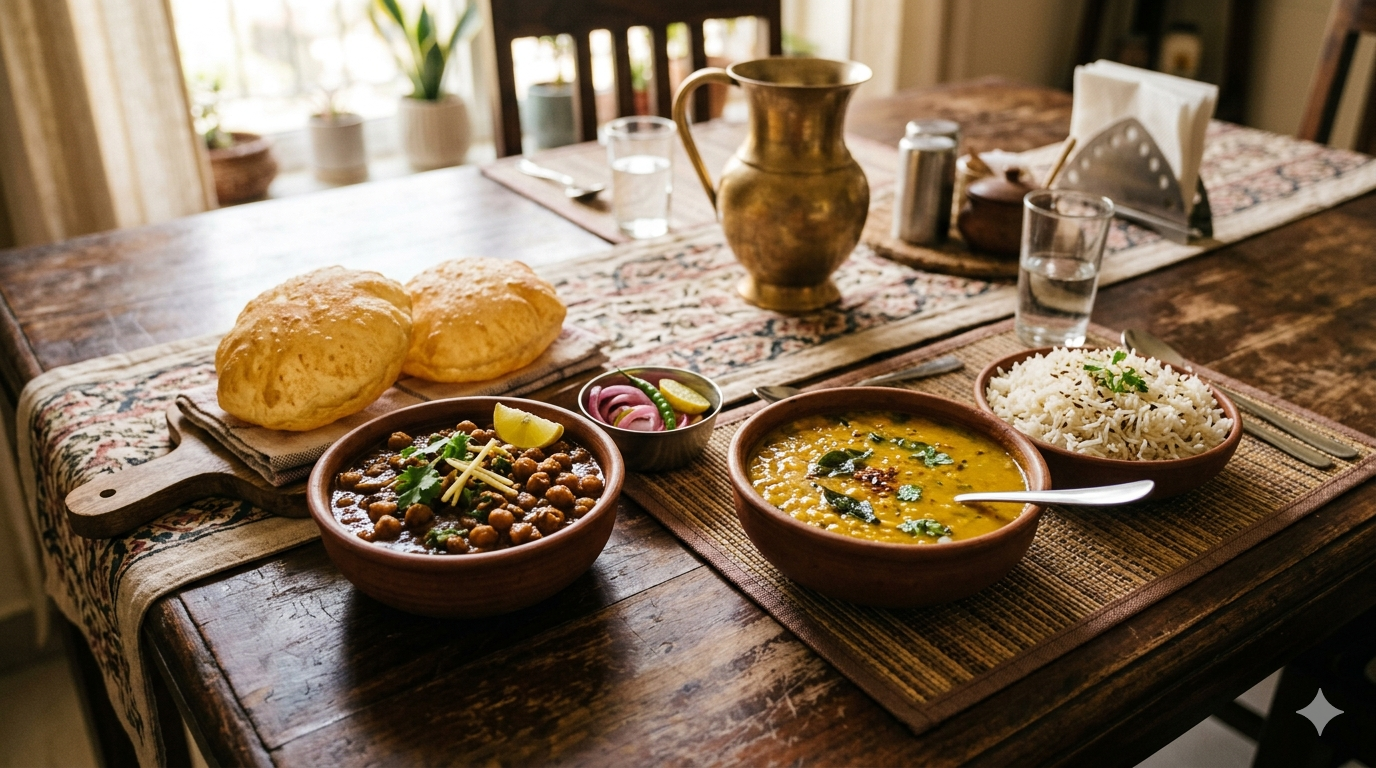
1. Chole Bhature – 5/10
The nutritionist calls it “pure soul happiness,” but also points out the obvious – it is deep-fried and made with refined flour. The fix? Make it at home. Use whole grains like ragi, jowar, or whole wheat, and pair it with a fresh salad to make it lighter and more balanced.
2. Dal Rice – 10/10
This gets a full score. It is simple, homemade and balanced. Dal gives protein, rice gives energy – together, it is a complete meal that works well for everyday eating.
3. Pani Puri – 8/10
Surprising, but Agarwal gives it a good score. The filling has chana and potato, and the pani has spices that support digestion. The only catch? Portion control. “4 to 5 pani puris works wonderfully well,” she says.
4. Idli Sambar – A Strong Yes
Light, easy to digest, and gut-friendly. Idlis are fermented, which is great for your gut, while sambar and chutney add protein and fibre. A solid breakfast option.
5. Pav Bhaji – 4/10
Even though it has vegetables, the high butter content and refined pav bring the score down. Also, it lacks enough protein. The nutritionist's take: enjoy it sometimes, but do not make it a regular.
6. Jalebi – 3/10
No surprises here. It is mostly sugar and refined flour, which can spike blood sugar quickly. But she adds an important note – low score does not mean “never eat it.” Just keep it occasional and watch portions.
Nmami Agarwal's final message sums it up well: “Indian food was never unhealthy. It is the overeating and imbalance that made it look bad.”
Disclaimer: This content including advice provides generic information only. It is in no way a substitute for a qualified medical opinion. Always consult a specialist or your own doctor for more information. NDTV does not claim responsibility for this information.