

)
Anxiety can affect both the mind and body. It causes constant worry, restlessness, racing heart, difficulty concentrating and trouble sleeping. While professional treatment may be needed for persistent or severe anxiety, simple lifestyle changes can support mental well-being. One such habit is walking. It is a form of physical activity that does not require expensive equipment, a gym membership or advanced fitness skills. Even a moderate-paced walk can help the body become more active while giving the mind a break.
Walking may be particularly useful because it combines physical movement with time away from daily pressures. Regular activity is linked to better mood and lower stress, and walking can be adapted to almost any fitness level. A short walk outdoors, around the neighbourhood or even indoors can be a chance to move, breathe and shift attention. Read on to know how walking helps reduce anxiety.
How Does Walking Help Reduce Anxiety?
1. It Can Lower Stress
Walking can help reduce the physical effects of stress. When you are anxious, the body can remain in a heightened state of alertness. Physical activity encourages the body to use built-up tension and can help you feel calmer afterwards. Making walking a regular habit may also improve how your body responds to everyday stress.
2. It May Improve Mood
Physical activity stimulates the release of chemicals in the brain that are linked with mood and well-being. Walking can be a natural mood booster, particularly when it is done regularly. For some people, even a short walk can help interrupt a cycle of negative or repetitive thinking.
3. It Can Take Your Mind Off Worry
Anxiety often involves repeatedly thinking about the same concerns. Walking gives your attention something else to focus on. You can concentrate on your surroundings, your breathing, the movement of your body or simply the route ahead. This shift can provide temporary relief from anxious thoughts.
4. Walking Outdoors May Be Beneficial
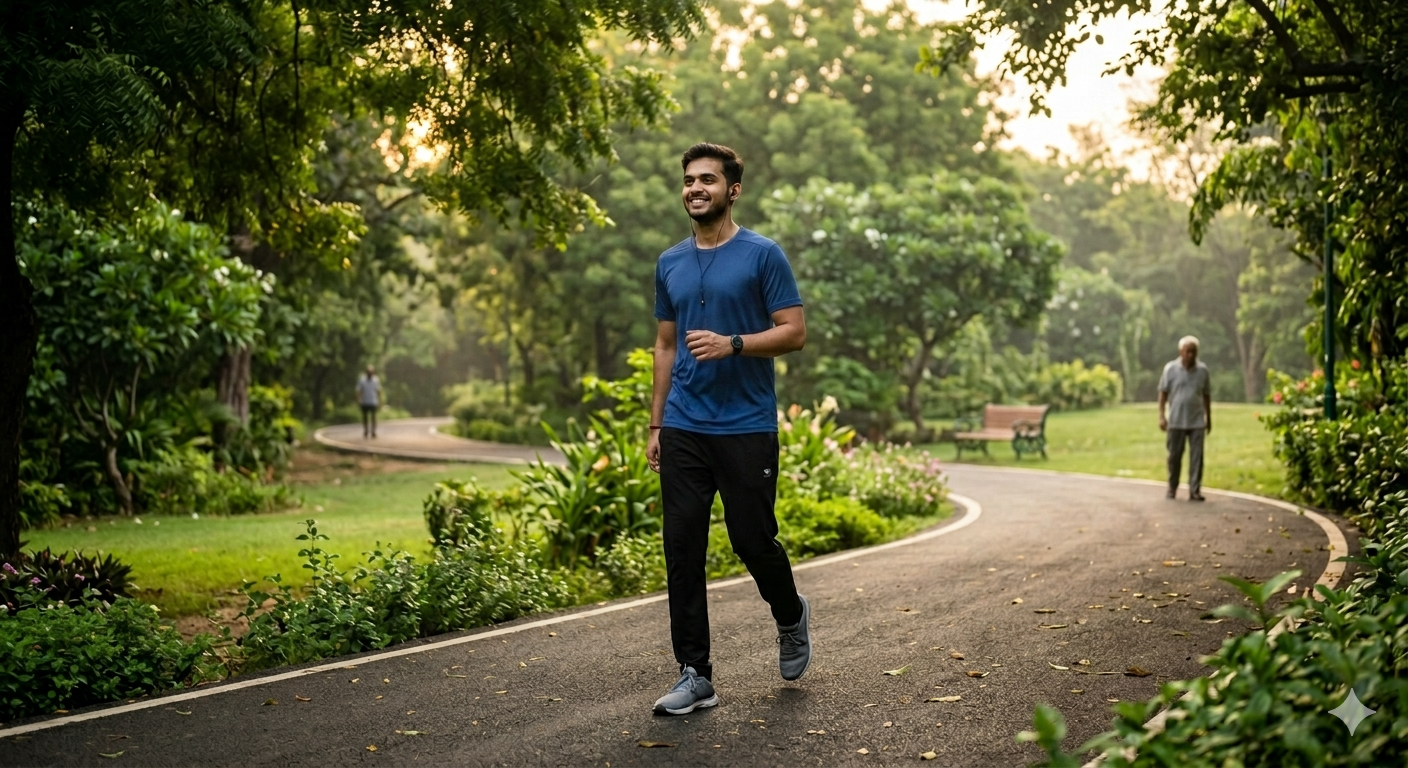
Walking outside can provide additional stimulation through sunlight, fresh air, greenery and changing surroundings. Spending time in natural environments has been associated with improved mental well-being. A walk in a park or a quiet outdoor area may be relaxing for someone experiencing everyday stress or mild anxiety.
5. It Can Support Better Sleep
Anxiety and poor sleep can reinforce each other. Regular physical activity can support healthier sleep patterns, while better sleep may make it easier to manage stress and anxious feelings during the day. Walking earlier in the day can be a simple way to add physical activity to your routine.
6. It May Help Regulate Breathing
Anxiety can sometimes lead to rapid or shallow breathing. Walking at a comfortable pace encourages a steady rhythm between movement and breathing. Paying attention to slow, regular breaths while walking can also turn the activity into a simple mindfulness exercise.
7. It Provides Time Away From Screens
Constant exposure to phones, social media, news and work-related messages can add to the mental overload. Walking provides an opportunity to step away from screens. Leaving the phone behind, or using it only for music or navigation, can make the walk a useful mental break.
How Much Should You Walk?
There is no single walking duration that works for everyone. If you are not physically active, start with 10 to 15 minutes and gradually increase the duration. A brisk 20- to 30-minute walk on most days can be a practical goal for many adults. The important thing is consistency rather than pushing yourself to walk extremely fast or for long periods.
Walking can be useful for managing everyday stress and supporting mental health, but it should not be considered a replacement for professional treatment when anxiety is persistent or severe.
Disclaimer: This content including advice provides generic information only. It is in no way a substitute for a qualified medical opinion. Always consult a specialist or your own doctor for more information. NDTV does not claim responsibility for this information.