

)
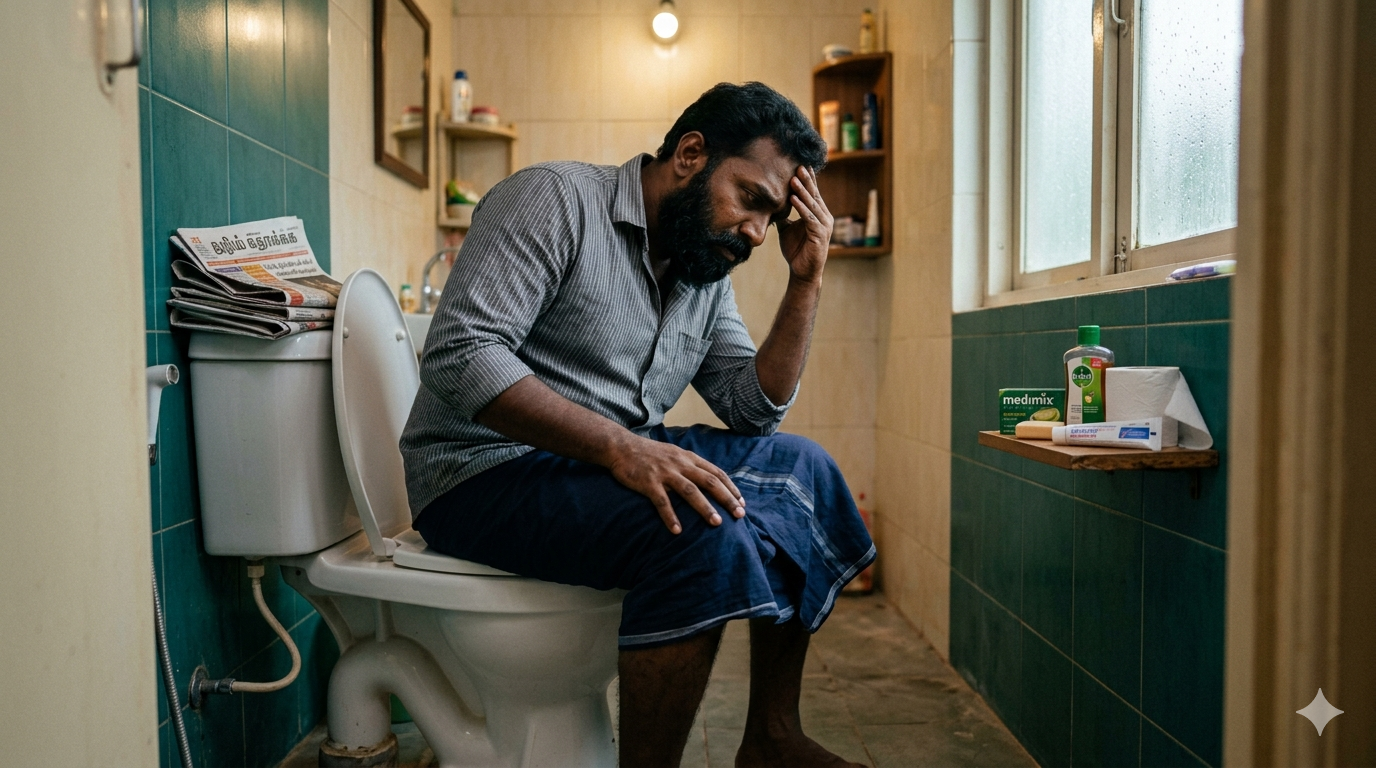
Anything related to anal health is often ignored, misunderstood, or awkward to talk about. Most people tend to label every discomfort in that area as "piles", but that's not always the case. Conditions like fissures, fistulas, and abscesses are quite different, even though their symptoms can overlap. If you've been dealing with pain, bleeding, or swelling, knowing what you're facing can make all the difference in getting the right treatment. According to a 2025 study, anal fissures are categorised as acute when symptoms last fewer than six weeks, and as chronic when they persist beyond this period. Patients typically present with intense pain during and after defecation, bright red rectal bleeding, and a visible tear most often located at the posterior midline. Here is the breakdown of these three conditions in a simple way, which will avoid any confusion.
1. Anal Fissure: The Sharp, Cutting Pain
An anal fissure is a small tear in the lining of the anus, often caused by passing hard stools or severe constipation. Now you may wonder how this medical condition feels. The pain is sharp and intense, like a cut or tear, especially during or after passing a stool. Many people describe it as a "glass-cutting" sensation. Other signs:
- Bright red blood on toilet paper
- Burning sensation after bowel movements
- Fear of passing stool due to pain
But the interesting fact here is fissures can become chronic if not treated early, leading to a cycle of pain and constipation that feeds itself.
Also read: The 5-Minute Rule: Why Your 'Toilet Scroll' Is Increasing Your Haemorrhoid Risk By 46%
2. Piles (Haemorrhoids): The Swollen Veins
When blood vessels in or around the anus swell it causes piles. Most prominent reason behind piles is straining, pregnancy, or prolonged sitting. Piles may not always be painful. Internal piles usually cause painless bleeding, while external ones can be itchy, uncomfortable, or painful if a clot forms. Other signs:
- Bleeding during bowel movements
- Itching or irritation
- A lump near the anus
- Mucus discharge in some cases
A study says that conservative treatment is associated with a recurrence rate exceeding 50%. In contrast, surgical intervention reduces recurrence to approximately 5-10%. However, complications post operation can be notable, with significant pain often reported, and urinary retention being a common issue in male patients.
3. Anal Abscess: The Throbbing Infection
An abscess is a collection of pus caused by an infection near the anus. This is usually more urgent and painful than other conditions. It feels like constant, throbbing pain that doesn't just come and go. It often worsens when sitting or moving. Other signs:
- Swelling and redness
- Fever or chills
- A painful lump that may feel warm
- General feeling of being unwell
An untreated abscess can lead to a fistula, making early treatment crucial.
4. Anal Fistula: The Hidden Tunnel
A fistula is an abnormal tunnel that forms between the inside of the anal canal and the skin outside. It often develops after an abscess. Pain may be less intense than an abscess but tends to be persistent and recurring. Other signs:
- Pus or discharge from a small opening near the anus
- Recurrent swelling or infections
- Irritation of the surrounding skin
- Occasional pain during bowel movements
So, How Do You Tell the Difference?
Here's a quick way to understand it:
- Sharp pain while passing stool plus slight bleeding? Likely a fissure
- Bleeding without much pain or a soft lump? Could be piles
- Constant throbbing pain plus fever plus swelling? Maybe an abscess
- Recurring discharge or infection near the anus? Possibly a fistula
Also read: Ignoring Constipation? Long-Term Risks To Your Gut And Overall Health
When Should You See a Doctor?
Don't ignore symptoms that persist for more than a few days. Seek medical help if you notice:
- Continuous or heavy bleeding
- Severe pain
- Fever with anal discomfort
- Pus or unusual discharge
Early diagnosis not only relieves pain faster but also prevents complications. Not every anal problem is piles, and assuming so can delay proper treatment. Each condition, fissure, fistula, abscess, and piles, has its own causes, symptoms, and solutions. The key is to pay attention to your body and act early. It might feel uncomfortable to talk about, but getting it checked could save you from prolonged pain and more serious issues down the line.
Disclaimer: This content, including advice, provides generic information only. It is in no way a substitute for a qualified medical opinion. Always consult a specialist or your own doctor for more information. NDTV does not claim responsibility for this information.