

)
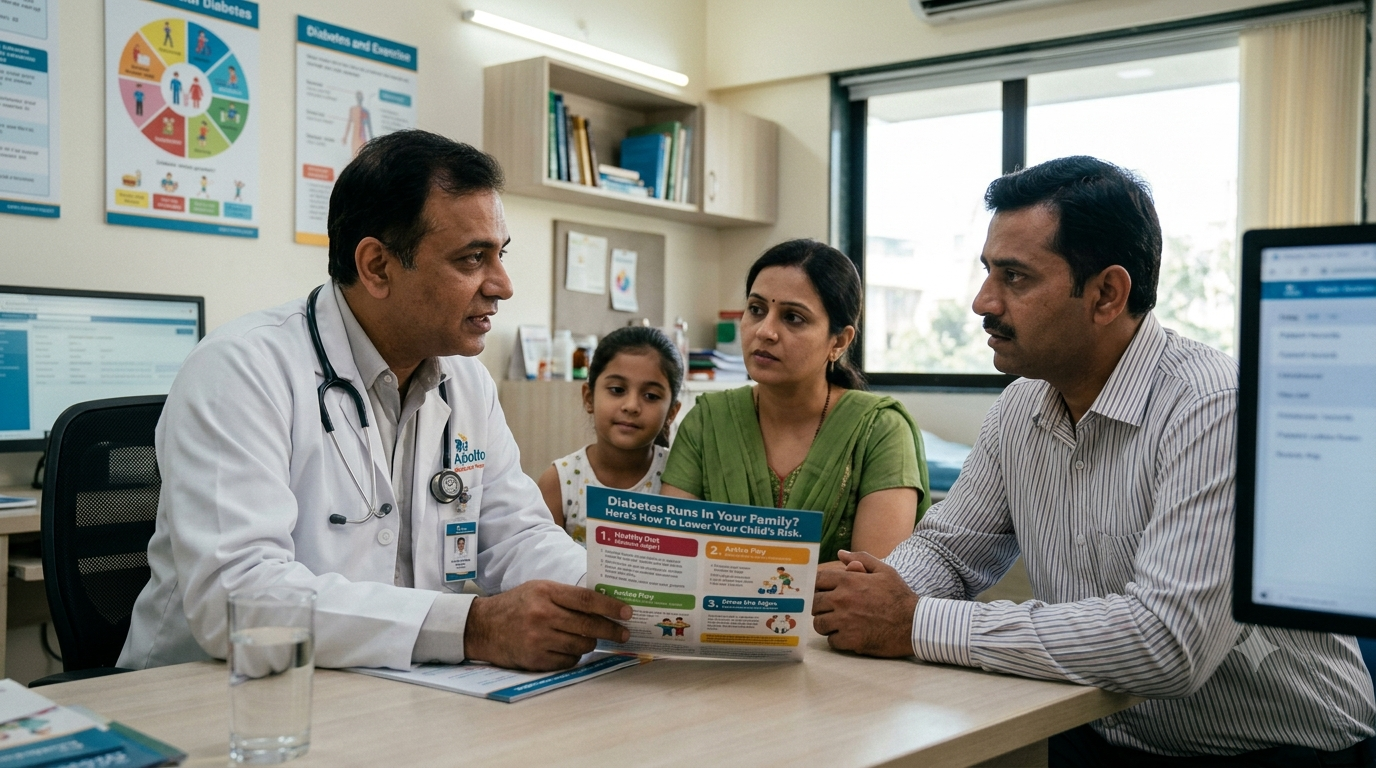
If diabetes runs in your family, it's natural to worry whether your children will develop the condition too. Many parents assume that a family history makes diabetes unavoidable. However, endocrinologists say that while genetics can increase susceptibility, they are far from the only factor that determines whether a child develops the disease. In fact, the lifestyle habits children learn during their early years can have an even greater influence on their long-term metabolic health. Healthy eating, regular physical activity, good sleep, and maintaining a healthy weight can significantly reduce the risk of developing type 2 diabetes even among children with a strong family history. "Family history increases the risk but does not make diabetes inevitable," says Dr. Nishant Raizada, HOD, Department of Endocrinology & Diabetes, Amrita Hospital, Faridabad.
"Genes play a role in susceptibility, but they are only one part of the story. The environment in which a child grows up what they eat, how active they are, how well they sleep, and whether they maintain a healthy weight can have a big impact on whether they develop diabetes later in life." Echoing the same message, Dr. Anupam Biswas, Senior Consultant, Endocrinology, Fortis Noida, says parents have tremendous influence over their children's future health.
"A family history of diabetes does not mean a child is destined to develop the disease. While genetics increase the risk, lifestyle choices play a powerful role in delaying or even preventing the onset of type 2 diabetes."
Why Family History Matters But Isn't Everything
Type 2 diabetes develops because of a combination of inherited genes and environmental factors. A child whose parent or sibling has diabetes may have a higher likelihood of developing insulin resistance. However, whether that genetic tendency eventually turns into diabetes depends largely on everyday habits. Experts say this is why prevention should begin long before symptoms appear.
Also read: NDTV Lifeline X Diabetes: Doctor Shares The Key Checks Before Prescribing Weight-Loss Injections
Build Healthy Eating Habits Early
One of the biggest gifts parents can give their children is a healthy relationship with food. Rather than imposing strict diets, experts recommend making nutritious foods a normal part of family life. Dr. Biswas advises including:
- Fresh fruits
- Vegetables
- Whole grains
- Pulses
- Lean proteins
- Healthy fats
At the same time, sugary drinks, packaged snacks, processed foods, and fast food should remain occasional treats rather than daily staples. Dr. Raizada says children naturally develop lifelong eating patterns based on what they see at home. "The best way for parents to protect their children is to integrate healthy habits into daily family life not to impose them as rules."
Encourage Daily Physical Activity
Exercise plays a major role in preventing insulin resistance and obesity. Children do not necessarily need structured workouts. Instead, experts recommend encouraging activities they genuinely enjoy. These may include:
- Cycling
- Swimming
- Outdoor games
- Dancing
- Running
- Football or cricket
- Skating
According to Dr. Biswas, children should aim for at least 60 minutes of moderate to vigorous physical activity every day. Regular movement improves insulin sensitivity while helping maintain a healthy weight.
Don't Underestimate Sleep
While diet and exercise receive most of the attention, sleep is another critical pillar of metabolic health. Insufficient sleep affects hormones responsible for:
- Hunger
- Appetite
- Blood sugar regulation
- Weight control
Poor sleep during childhood has been linked to obesity and insulin resistance later in life. Parents should encourage consistent sleep schedules while limiting late-night screen exposure.
Also read: India's Diabetes Burden: Healthy Eating Tips To Reduce Risk Of Type 2 Diabetes
Reduce Screen Time
Today's children spend increasing amounts of time on phones, tablets, computers, and televisions. According to doctors, long periods of sitting contribute to:
- Weight gain
- Reduced physical activity
- Poor sleep quality
- Higher diabetes risk
Experts recommend balancing screen time with active play throughout the day.
Watch For Early Warning Signs
Children with a family history of diabetes should also be monitored for symptoms that may indicate developing insulin resistance. Dr. Biswas advises parents to seek medical evaluation if a child develops:
- Excessive thirst
- Frequent urination
- Unexplained weight loss
- Persistent fatigue
- Dark, velvety skin patches around the neck or underarms (acanthosis nigricans)
- Obesity or rapid weight gain
Routine monitoring of growth, Body Mass Index (BMI), and waist circumference can also help identify children who may benefit from early intervention. In high-risk children, doctors may recommend blood glucose screening depending on age and other risk factors.
Children Learn By Watching Their Parents
Experts emphasise that children imitate what they see far more than what they are told. Parents who:
- Eat balanced meals
- Exercise regularly
- Attend routine health check-ups
- Avoid sugary drinks
- Prioritise sleep
are more likely to raise children who naturally adopt the same healthy habits. "The most effective prevention begins at home. Parents who model healthy eating, regular exercise, and routine health check-ups create lifelong habits for their children," says Dr. Biswas.
Prevention Starts Today
Although genetics cannot be changed, lifestyle can. Dr. Raizada believes parents should view a family history as an opportunity rather than a prediction. "A family history should not be seen as a prediction but as an opportunity for prevention. The sooner healthy habits start, the better the chance of protecting long-term metabolic health. Diabetes can be genetic, but so can healthy living."
Dr. Biswas adds, "Genetics may load the gun, but lifestyle often pullsor prevents the trigger. With early awareness and consistent healthy choices, families can significantly reduce the future burden of diabetes." Having diabetes in the family does not mean a child will inevitably develop the condition. While inherited genes increase susceptibility, everyday lifestyle choices remain the strongest defence against type 2 diabetes. By encouraging healthy eating, regular physical activity, adequate sleep, limited screen time, and routine medical check-ups from an early age, parents can help their children build lifelong habits that protect both their metabolic health and overall well-being.
Disclaimer: This content including advice provides generic information only. It is in no way a substitute for a qualified medical opinion. Always consult a specialist or your own doctor for more information. NDTV does not claim responsibility for this information.