

)
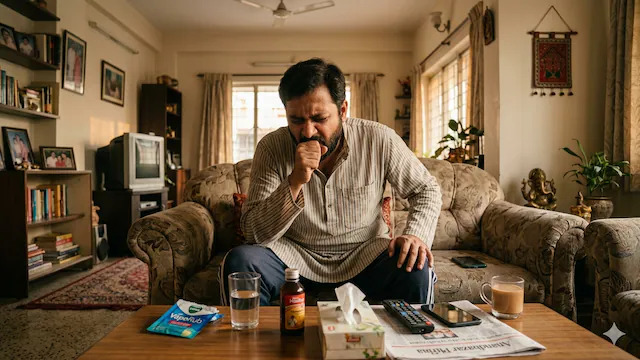
Delhi has witnessed a sharp increase in swine flu infections in recent weeks, prompting the Delhi government to issue a public health advisory and urge people to follow basic respiratory hygiene measures. Authorities have advised residents to wear masks in crowded places, wash their hands frequently, avoid close contact with people who have respiratory infections and seek medical attention if flu-like symptoms become severe or persistent. According to health department data, Delhi has reported more than 1,777 H1N1 cases this year, with 114 new infections recorded on Thursday alone. The capital has also reported more than 2,300 Influenza-A cases, prompting authorities to step up preparedness measures. The advisory recommends covering the mouth and nose while coughing or sneezing and wearing a mask in crowded or poorly ventilated areas. People have also been advised to wash their hands regularly and avoid touching their eyes, nose and mouth with unwashed hands. Other precautions include avoiding spitting in public places, maintaining distance from people with respiratory symptoms, staying hydrated and avoiding unnecessary close contact when unwell.
Why Should You Take H1N1 Seriously?
According to Dr Arjun Khanna, HOD, Pulmonology, Amrita Hospital, Faridabad, one of the biggest mistakes during the current wave is assuming that persistent flu symptoms are "just seasonal flu."
"Most infections will be self-limiting, but influenza can progress from an apparently routine respiratory illness to viral pneumonia, hypoxaemia and respiratory failure, especially in older adults, pregnant women and people with chronic heart or lung disease, metabolic disorders or weakened immunity," says Dr Khanna. Influenza can therefore become more serious in people who already have underlying health conditions or reduced immunity.
What Symptoms Should You Watch For?
Most people with influenza recover with supportive care. However, certain symptoms should prompt medical evaluation. Dr Khanna recommends seeking medical attention if a person develops:
- Breathlessness or difficulty breathing
- Falling oxygen levels
- Chest discomfort or pain
- Confusion or unusual drowsiness
- Persistent high fever
- Severe or worsening weakness
Symptoms that deteriorate after an initial improvement
A sudden worsening after several days of illness can be particularly important because complications may develop even after the initial flu symptoms appear to be improving.
Why Are Some People More Vulnerable?
While influenza can affect anyone, complications are more likely in certain groups. Older adults, pregnant women and people living with chronic heart or lung diseases may be at higher risk of severe illness. People with metabolic disorders or weakened immune systems may also require closer monitoring.
This does not mean that every person in these groups will develop severe influenza. Rather, persistent or worsening symptoms should prompt earlier medical assessment.
Can Antibiotics Treat H1N1?
H1N1 is caused by the influenza virus, so antibiotics do not directly treat the infection. "Antibiotics won't help you with influenza, unless you develop a secondary bacterial infection," explains Dr Khanna. Taking antibiotics unnecessarily can also contribute to antimicrobial resistance. Any decision to use antibiotics should therefore be based on medical evaluation and evidence of a bacterial infection.
How Can You Protect Yourself?
Simple respiratory hygiene measures can reduce the spread of influenza.
Wear A Mask In Crowded Places
Using a mask in crowded indoor spaces, particularly during periods of increased respiratory infections, can reduce exposure to respiratory droplets and aerosols.
Follow Cough Etiquette
Cover your mouth and nose while coughing or sneezing. A tissue or the crook of the elbow can be used rather than coughing directly into your hands.
Wash Your Hands
Regular handwashing with soap and water can help reduce the spread of respiratory infections, particularly after coughing, sneezing or being in crowded public spaces.
Avoid Touching Your Face
Try not to touch your eyes, nose or mouth with unwashed hands, as viruses can be transferred from contaminated surfaces to the face.
Stay Home When You Are Sick
Avoiding close contact with others while experiencing fever or significant respiratory symptoms can help reduce transmission.
Stay Hydrated
Adequate fluid intake is important during fever and respiratory illness, particularly when sweating or experiencing reduced appetite.
What About Flu Vaccination?
Vaccination remains an important layer of protection against influenza. Dr Khanna notes that interim effectiveness data from the 2025-26 season showed approximately a 30% reduction in the risk of influenza-associated hospitalisation among adults. Vaccination does not guarantee that a person will never contract influenza, but it can reduce the risk of severe disease and hospitalisation. People who are at higher risk of complications should discuss influenza vaccination with their doctor.
Should You Panic About The Rise In Cases?
No, but vigilance is important. "Clinical message should be vigilance, not panic," says Dr Khanna. Seasonal influenza is common worldwide, but its complications can be serious in vulnerable individuals. The World Health Organisation estimates that seasonal influenza causes around one billion infections globally each year, with millions of cases of severe illness.
Delhi's rising H1N1 numbers therefore highlight the importance of recognising symptoms early, following respiratory hygiene and avoiding unnecessary self-medication. The increase in H1N1 and Influenza-A cases in Delhi is a reminder not to dismiss persistent or worsening flu symptoms. Most people recover without serious complications, but breathlessness, falling oxygen levels, chest discomfort, confusion, persistent high fever or sudden deterioration after initial improvement require medical assessment.
Masking in crowded indoor spaces, hand hygiene, cough etiquette, staying home while febrile and vaccination where appropriate can all help reduce the risk of severe illness and transmission. The message is simple: don't panic about H1N1, but don't dismiss it either.
Disclaimer: This content including advice provides generic information only. It is in no way a substitute for a qualified medical opinion. Always consult a specialist or your own doctor for more information. NDTV does not claim responsibility for this information.