

)
Cupping therapy has been around for thousands of years, yet it continues to spark curiosity even today. Cupping is an old healing method used to treat many health problems. Its exact beginnings are unclear but research show that it was practiced in ancient Egypt and China. Over time, different cultures around the world have helped shape and continue this therapy. But what exactly does cupping involve, and is it really beneficial? Here is what you should know before considering it.
What is cupping therapy?
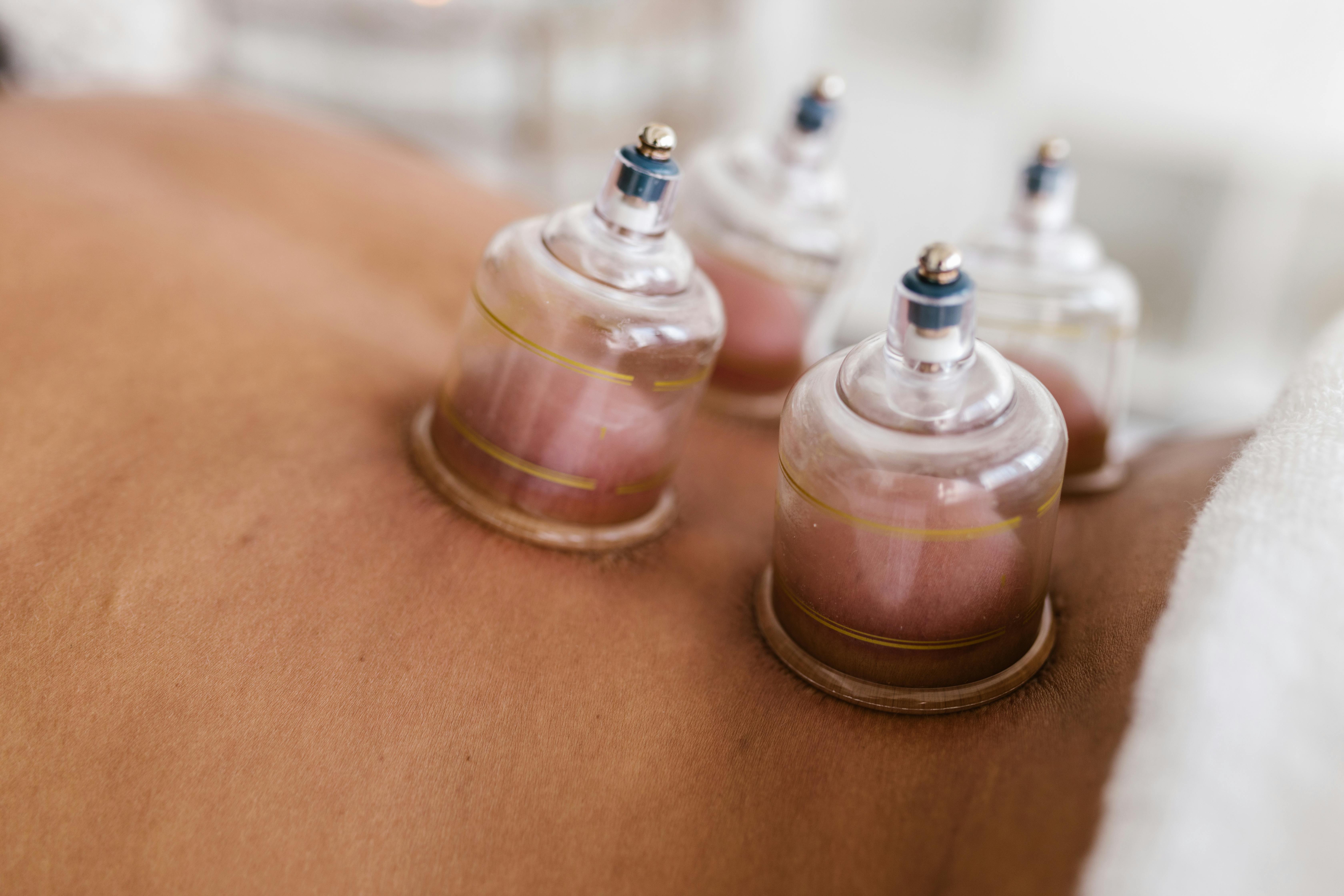
Cupping is a form of alternative therapy that involves placing special cups on the skin to create suction. The suction pulls the skin slightly upward into the cup. This is believed to improve blood flow, ease muscle tension, and stimulate healing. Cupping has roots in traditional Chinese medicine and Middle Eastern healing practices. Today, it is commonly used for musculoskeletal pain, sports recovery, and general wellbeing. There are two main types:
- Dry cupping, where suction is applied using heat or a pump.
- Wet cupping, where small incisions are made on the skin before suction to draw out a small amount of blood.
Most modern wellness clinics offer dry cuppings.
Potential benefits of cupping therapy
While research is still evolving, many people report relief from certain symptoms after cupping sessions.
1. Muscle pain relief
A 2018 study found that cupping therapy may help with different health problems. These problems can be grouped into two types: those that affect a specific area of the body and those that affect the whole body. Cupping is often used to ease back pain, neck stiffness, and shoulder tension. The suction may increase local blood circulation, helping muscles relax and recover.
Also read: Your Muscle-To-Fat Ratio Is The Only Number That Matters For Your Brain Health, Says New Study
2. Improved blood flow
By drawing blood to a specific area, cupping may enhance circulation. Improved blood flow can support tissue repair and reduce inflammation. Study published in 2020 explains that cupping therapy works by creating negative pressure on the skin, which increases local blood flow and improves tissue oxygenation. The suction is usually applied within a pressure range of about 100 to 300 millibars (mbar), which depends on the technique and equipment used. This controlled suction helps draw blood to the surface and stimulate healing processes.
3. Reduced headaches and migraines
According to Evidence Based Complementary and Alternative medicine, primary headache disorders are frequently caused by migraines. Cupping is a common traditional method for managing pain, especially migraines. The clinical effects of cupping on migraine have not been well reviewed.
4. Sports recovery
Athletes sometimes use cupping to aid muscle recovery and reduce soreness after intense training sessions. It is important to note that while some studies suggest potential benefits, evidence is still limited for certain claims. It always advised to consult an expert prior to choosing cupping therapy.
What do circular marks mean?
Don't get scared to see those red marks post the cupping therapy. Dark red or purple marks left behind are not bruised in the typical sense. They are the result of blood being drawn to the surface under suction. These marks usually fade within a few days to a week. Their intensity can vary depending on skin sensitivity and the amount of suction used.
Risk Factors Of Cupping Threapy
Cupping therapy has benefits, but it also carries several risk factors which should be considered before undergoing treatment. The most common side effects include skin marks, bruising, mild discomfort, and irritation, while more serious risks involve burns or blisters (especially with fire cupping), infections from poor hygiene, scarring, and potential transmission of bloodborne diseases in wet cupping. .
Children and elderly individuals are also more vulnerable to complications. To minimise risks, cupping should only be performed by trained professionals, with proper sterilisation and avoidance of sensitive areas such as veins, arteries, nerves, and eyes.
What to keep in mind before trying cupping
Cupping may seem simple, but there are important considerations, such as choosing a qualified practitioner. Always seek treatment from a trained and licensed professional. Improper techniques can cause burns, skin infections, or excessive bruising. And you need to be aware of medical conditions If you have bleeding disorders, are on blood-thinning medication, have fragile skin or are pregnant, consult your doctor before trying cupping.
Also, you should be aware of the side effects of cupping as the mild side effects may include temporary soreness, skin irritation, or dizziness. In rare cases, improper wet cupping can increase infection risk. It is always advised not to use it as a replacement for medical treatment. Cupping can complement conventional care, but it should not replace medical advice or treatment for serious conditions.
Also read: New Hope For Migraine Patients In India: Doctor Explains How Rimegepant Works
Who may benefit most?
People with chronic muscle tension, desk-related neck pain, or those recovering from physical exertion may find cupping helpful. However, individual responses vary. If you are exploring holistic therapies alongside lifestyle changes such as regular exercise and balanced nutrition, cupping could be one supportive option. Cupping therapy is an ancient practice that continues to attract modern interest. It may offer benefits such as pain relief, improved circulation and relaxation, but it is not a cure-all.
If you are curious about trying it, approach it thoughtfully. Consult a qualified practitioner, understand the potential risks and ensure it fits into your overall health plan. As with many wellness trends, informed choices make all the difference.
Disclaimer: This content including advice provides generic information only. It is in no way a substitute for a qualified medical opinion. Always consult a specialist or your own doctor for more information. NDTV does not claim responsibility for this information.