

)
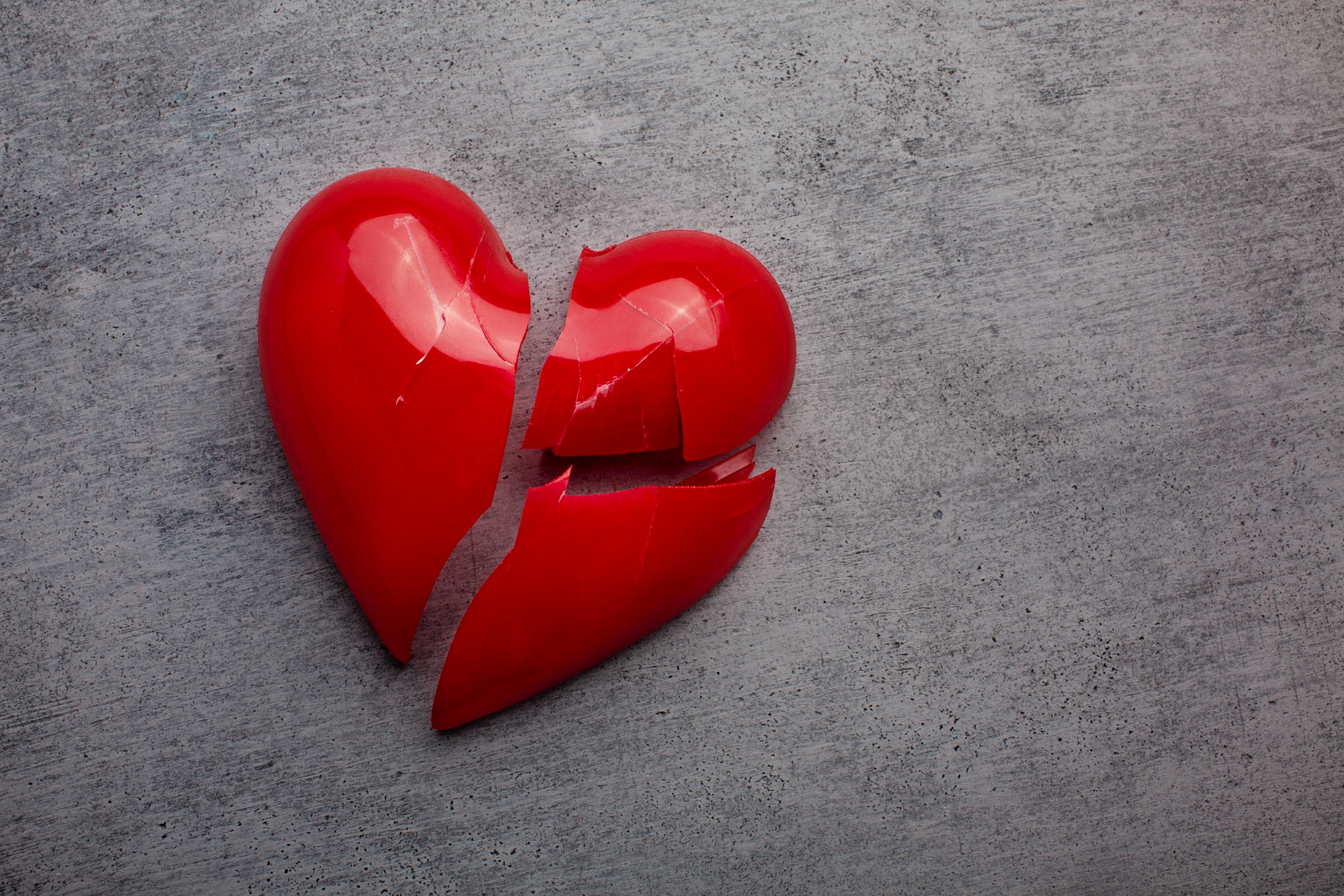
Valentine's Day celebrates love, romance and emotional connection, but doctors caution that intense emotions, especially grief, shock or heartbreak, can sometimes take a dangerous toll on the heart. While the term "broken heart" is often used poetically, medicine recognises a very real condition called Broken Heart Syndrome, or takotsubo cardiomyopathy, where extreme emotional or physical stress can suddenly weaken the heart muscle. "People are often surprised when we tell them that emotional trauma alone can cause a serious heart condition," says Dr Chirag D, Consultant - Interventional Cardiology, Aster Whitefield, Bengaluru. "This condition can present exactly like a heart attack, with chest pain, breathlessness, ECG changes and raised cardiac enzymes, yet the coronary arteries are found to be normal."
Events such as the loss of a loved one, relationship conflict, sudden illness, or even overwhelming fear can trigger a massive surge of stress hormones, temporarily stunning the heart. While many patients recover, the condition can be life-threatening if ignored. As Valentine's Day conversations often revolve around matters of the heart, experts say it's equally important to understand how deeply emotions and heart health are biologically linked.
What Is Broken Heart Syndrome?
Broken Heart Syndrome, medically known as takotsubo cardiomyopathy, is a stress-induced weakening of the heart muscle, most commonly affecting the left ventricle. The condition gets its name from the heart's balloon-like shape during the episode, resembling a Japanese octopus trap called takotsubo.
"This is not a metaphor, it's a measurable, diagnosable cardiac condition," explains Dr Chirag D. "The apex of the heart becomes temporarily weak, reducing its pumping ability, even though there is no blockage in the heart arteries." Clinically, it is almost indistinguishable from a heart attack at first presentation, which is why emergency evaluation is crucial.
Also Read: Love Hormones Explained: How Oxytocin, Dopamine And Serotonin Spark Romance In You
How Emotional Stress Affects the Heart
Under extreme stress, the body releases a surge of hormones such as adrenaline and noradrenaline. In susceptible individuals, this hormonal flood can overwhelm the heart muscle. "A sudden emotional shock, like bereavement, a major argument, or even severe anxiety, can trigger this hormone surge," says Dr Chirag. "In some patients, the heart muscle becomes stunned and temporarily stops contracting normally."
This leads to classic heart-attack-like symptoms:
- Sudden chest pain
- Shortness of breath
- ECG abnormalities
- Elevated cardiac enzymes in blood tests
Yet when cardiologists perform angiography, the arteries appear normal - a key diagnostic clue.
Who Is Most at Risk?
Although Broken Heart Syndrome can affect anyone, certain groups are more vulnerable. "Most of our patients are postmenopausal women," notes Dr Chirag, "but men do get it too, often after intense physical stress like severe illness or trauma."
Large population studies show:
- Women account for nearly 80-90% of cases
- Men, when affected, may have higher in-hospital mortality
- Emotional disorders such as anxiety and depression increase risk
- Experts emphasise that men should not dismiss chest pain following stress as "just anxiety".
Is Broken Heart Syndrome Dangerous?
Despite being described as "transient" in textbooks, doctors warn against underestimating the condition. "Takotsubo cardiomyopathy is not benign," Dr Chirag stresses. "It can lead to heart failure, dangerous rhythm disturbances, blood clots, stroke and, in rare cases, death."
Data from the American Heart Association shows that complications and mortality rates associated with the condition have remained significant over recent years, highlighting the need for early diagnosis and careful monitoring.
What To Do If Symptoms Appear
If chest pain or breathlessness occurs after intense emotional stress, doctors recommend treating it as a medical emergency. "Never assume it's 'just panic' or 'just grief'," says Dr Chirag. "Call emergency services immediately. An ECG, cardiac enzymes and imaging are essential to rule out a true heart attack and manage complications."
Early intervention can be lifesaving.
Also Read: Relationship Burnout: When Love Starts Affecting Mental Health
How Is It Treated?
Initial treatment focuses on stabilising the patient:
- Oxygen support
- Intravenous fluids
- Careful blood pressure management
"Some medications used in heart attacks may actually worsen certain forms of takotsubo," explains Dr Chirag, "which is why accurate diagnosis matters."
Once stable, patients are often prescribed:
- Beta blockers
- ACE inhibitors or ARBs
- Regular cardiac follow-up
Recovery And Emotional Healing
The encouraging news is that most patients recover heart function within weeks. However, recurrence can occur. "Recovery isn't only physical," Dr Chirag adds. "We are learning that cardiac rehabilitation, stress management, and even therapies like cognitive behavioural therapy can help heal the heart-brain connection."
The very existence of Broken Heart Syndrome serves as a powerful reminder that emotions and heart health are deeply intertwined. Love, loss and stress can all leave a biological imprint on the heart. Chest pain after emotional trauma should never be ignored, and emotional healing deserves the same seriousness as physical recovery. When feelings hurt the heart, medicine now knows how to help.
Disclaimer: This content including advice provides generic information only. It is in no way a substitute for a qualified medical opinion. Always consult a specialist or your own doctor for more information. NDTV does not claim responsibility for this information.