

)
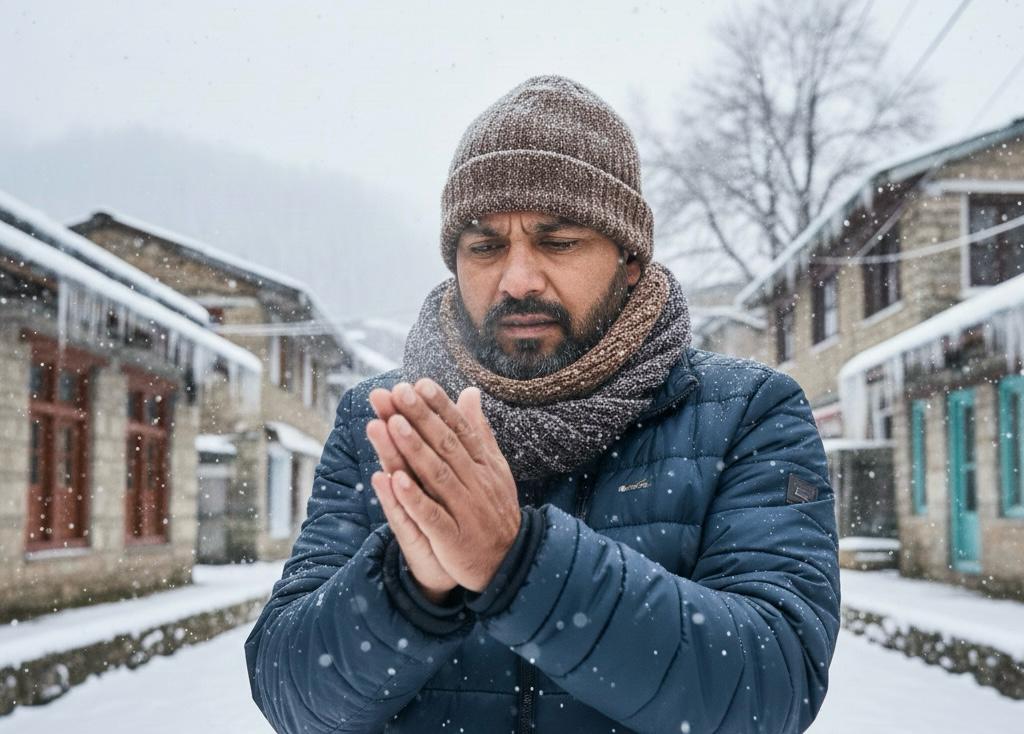
Have you ever noticed the recent spell of cold weather has left you feeling unusually tired, low on energy or even a little irritable? Across many parts of North India, prolonged cold waves and foggy mornings are quietly affecting both physical health and mental wellbeing. After viral infections like the common cold, the body often experiences cold fatigue, which causes a sense of tiredness, and low energy. This happens because the immune system is still in recovery mode, drains physical strength, and slows down the metabolism. Even after symptoms ease, people may feel sluggish, mentally foggy, and less motivated until full recovery is achieved
As per a study published in BMC journal, reduced sunlight expose during winters may disrupt your circadian rhythm, which is your body's internal 24-hour biological clock that regulates sleep, wakefulness, hormone release, digestion, and other vital processes in sync with day and night.
What Is Cold Fatigue?
Extended exposure to cold weather and viral infections that circulate during the season can lead to what psychologists often describe as cold fatigue. During long winter stretches, many people report low on mood, feeling of sluggishness and reduced motivation to go outdoors, especially when sunshine is scarce. Also, winter season can trigger mild seasonal affective disorder (SAD), which further drains energy, and it can cause feeling slowed down
The signs are often subtle, you may feel like staying in bed longer, skipping workouts, or avoiding social plans. Even daily routines can start to feel heavier than usual. Some people also experience a constant sense of dullness or irritability, despite getting enough sleep.
Also read: 6 Warming Foods For Winter And Recommended Portion Sizes To Avoid Weight Gain
What Causes Cold Fatigue
After a long winter season and spring approaches, many people continue to feel sluggish, unmotivated, and fatigued even after winter ends, but simple adjustments in sleep, diet, and activity can help restore energy. Here are some of the prominent factors which may trigger post winter fatigue.
- Viral Infections: Winter allow many viruses like influenza and rhinoviruses that cause the common cold to survive longer in the air and on surfaces
- Vitamin D deficiency: Limited sun exposure lowers vitamin D, which is essential for energy, mood regulation, and immune function.
- Reduced activity: Cold weather often discourages outdoor exercise, slowing metabolism, and reducing stamina.
- Dietary changes: Heavier winter foods and irregular eating patterns can contribute to sluggishness.
Tips To Deal With Cold Fatigue
Acceptance is another strategy experts often suggest. Fighting the cold or constantly wishing it away can add to frustration. Instead, adjusting routines to suit winter can ease mental strain.
- Hot cups of tea, home-cooked comfort food, warm blankets and quiet, relaxing activities like reading, knitting or listening to music can provide a surprising emotional lift.
- Some people are turning to yoga and meditation to stay grounded during the colder months.
- Stick to a consistent sleep schedule, and avoid late-night screen time, which can further disrupt your circadian rhythm.
- One of the simplest remedies is sunlight exposure. Stepping out during sunny hours, even briefly, can help. Morning sunlight helps regulate the body clock and boosts serotonin; a chemical linked to mood.
- On foggy days, sitting near a window or on a balcony during daylight can still be beneficial.
Above all, mental health professionals stress one reassuring fact. Winter, even the harshest cold wave, is temporary. The fog will lift, temperatures will rise, and routines will feel lighter again. Until then, taking small, intentional steps to care for both body and mind can make the season far more manageable.
Also read: How To Stay Warm And Healthy During Winter Rains
When To Seek Help
Post cold fatigue is seasonal and manageable, but if tiredness persists well into spring or feels overwhelming, it might be worth checking with a doctor. Conditions like anaemia, thyroid imbalance, or seasonal affective disorder can mimic or worsen winter fatigue.
Winter doesn't have to feel like a constant battle with tiredness. With a few mindful changes, you can keep your energy steady and maybe even learn to enjoy the cozy side of the season.
Disclaimer: This content, including advice, provides generic information only. It is in no way a substitute for a qualified medical opinion. Always consult a specialist or your own doctor for more information. NDTV does not claim responsibility for this information.