





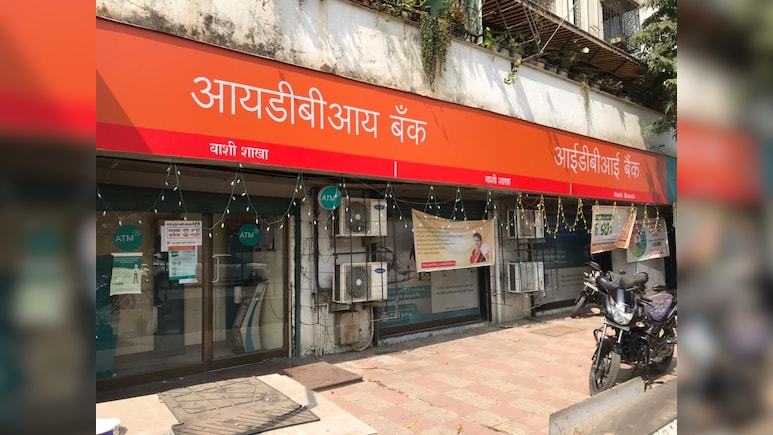
- Shares of IDBI Bank have seen a sharp sell-off over the past week. The stock is now down nearly 35 per cent.
- The government and LIC were looking to sell a majority stake. Now, there is doubt.
- The bank said the disinvestment process is confidential and being handled by the government.
Shares of IDBI Bank have seen a sharp sell-off over the past week. The stock is now down nearly 35 per cent from its recent high of Rs 118.5. In just two sessions, it has fallen about 20 per cent. It also came close to its 52-week low of Rs 72.04. As a result of the market rout, more than Rs 18,500 crore has been wiped out in the lender's market value. This drop has unsettled investors.
What Exactly Went Wrong?
Uncertainty around the bank's privatisation has been the key trigger. The government and Life Insurance Corporation of India (LIC) were looking to sell a majority stake. That plan had been in the works for some time and was seen as a turning point for the bank.
Now there is doubt. Reports suggest the government may scrap the sale after bids came in below its expectations. That has changed the mood in the market.
A lot of the recent rally was built on the hope that a strategic buyer would come in. With that hope fading, the stock corrected.
Why Bidders Held Back?
The lack of aggressive bids is telling. Potential buyers seem to have taken a cautious view. They feel the management of the bank after acquisition is not fully clear. Also, the bank still carries legacy baggage from its public sector past. Further, employee costs and structures are not easy to change, and lastly, there is uncertainty on regulatory flexibility
Put simply, investors saw risks. The government, on the other hand, expected a better price. The gap was too wide, and the process stalled.
After the fall in valuations, prospects look more reasonable on paper. This would normally attract buyers. But the interest has been limited so far. The issue is not just valuation. It is earnings quality. Net interest margins, the core income a bank earns from lending, have been under pressure for some time.
While the asset quality has improved, the market is still unsure about the sustainability of profits. Without clarity on privatisation, a re-rating becomes difficult. That explains the cautious stance from analysts.
IDBI Bank's Response
The bank has not confirmed the reports around the stake sale. It said the disinvestment process is confidential and being handled by the government. It also added that it has not received any official word on the sale being scrapped. So, formally, nothing has changed yet. But the market has already reacted to the possibility.
What It Means For Account-Holders?
This is where the noise needs to be separated from reality. A falling stock price does not mean a bank is in trouble. It reflects what investors think about the future. It does not change how the bank operates day to day.
In this case, expectations around privatisation have weakened. That has hit the stock. It does not affect deposits. On the ground, the bank is in a better position than it was a few years ago. It is back in profit, bad loans have come down sharply, it received capital support in the past, and it still has backing from the government and LIC.
Banks run into trouble when their balance sheets weaken. There is no sign of that here. Importantly, there are also safeguards. Deposits up to Rs 5 lakh are insured by the Deposit Insurance and Credit Guarantee Corporation. The Reserve Bank of India also keeps a close watch on banks. In past situations, regulators have stepped in early to protect depositors.
The pain, for now, is largely on the investor side as shareholders are seeing volatility. Therefore, valuations could stay under pressure, and returns may remain uncertain in the near term.
For customers, it is a different story. Savings accounts are unaffected. Fixed deposits remain safe, and regular banking services continue as usual.
IDBI Bank Stock: Should You Buy The Dip?
This is not an easy call. Yes, the stock looks cheaper than before. But the reason behind the fall has not gone away. The privatisation process is still unclear, and there is no timeline for what happens next.
Without that trigger, the stock may not see a sharp move. There are also older concerns. Margins have been under pressure, and improving efficiency takes time, especially in a bank with legacy structures.
That is why most investors are not rushing in. For now, it may be better to keep the stock on the watchlist and wait for clarity. A fresh disinvestment process, or some visibility on earnings, could change the picture.
If you are willing to take higher risk, the lower price may look tempting. But that would be a bet on future developments, not on what is visible today.
Track Latest News Live on NDTV.com and get news updates from India and around the world

