

)
Cancer treatment is undergoing a quiet but powerful transformation. For decades, chemotherapy has been the mainstay of cancer care. Today, newer approaches like immunotherapy are changing not just how cancer is treated, but also how patients experience treatment. The most encouraging part is this: these advances are slowly becoming more affordable in India, making cutting-edge care accessible to more people than ever before. Dr Imran Khan, Consultant, Medical Oncology, Fortis Escorts Heart Institute, says, "Cancer care is entering an exciting and promising phase, one that is not only more effective but increasingly accessible." This shift is being driven by the growing use of Immunotherapy alongside traditional Chemotherapy.
How Chemotherapy Works
Chemotherapy has long been the backbone of cancer treatment, and for good reason. It works by targeting and killing rapidly dividing cells, which include cancer cells. It is particularly effective when quick tumour shrinkage is needed and remains essential in treating many types of cancer. However, because chemotherapy cannot distinguish between cancerous and healthy fast-growing cells, it often affects hair follicles, bone marrow, and the digestive system. "Its non-selective nature leads to well-known side effects such as hair loss, fatigue, nausea, and low blood counts," explains Dr Khan. For many patients, these side effects can significantly impact daily life.
Also read: From Surgery To Immunotherapy: Doctor Explains Advances In Oral Cancer Treatment
Immunotherapy: A More Targeted Approach
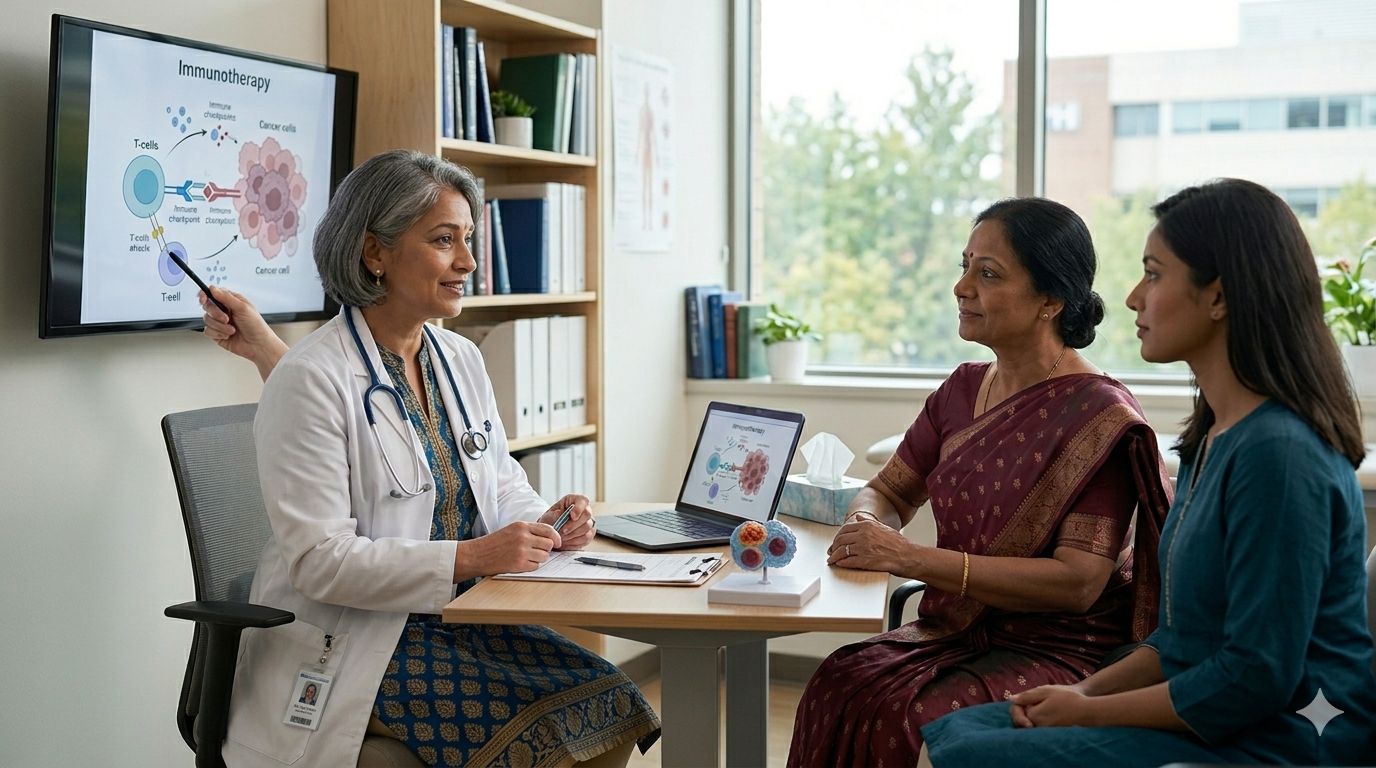
Unlike chemotherapy, immunotherapy works by strengthening the body's own immune system to fight cancer. "Immunotherapy activates T-cells against cancer, translating into long-term survival," says Dr Khan. This approach has already shown promising results in several cancers, including lung, gastrointestinal, genitourinary cancers, as well as blood cancers like lymphoma and leukaemia. Because it is more targeted, immunotherapy is generally associated with fewer and milder side effects compared to chemotherapy. Many patients are able to continue their routine activities during treatment.
The Promise Of Long-Term Remission
One of the biggest breakthroughs with immunotherapy is its potential for long-lasting results. In certain patients, particularly those with specific tumour characteristics such as high PD-L1 expression or MSI-high status, immunotherapy can lead to durable responses that last for years, even after treatment is stopped. This marks a significant shift in cancer care, moving from short-term tumour control to sustained remission.
The Cost Barrier And What's Changing
For years, the biggest limitation of immunotherapy in India has been its cost. These treatments were often out of reach for many patients. That is now beginning to change. "The emergence of affordable immunotherapy drugs means more patients can benefit from these treatments," Dr Khan highlights. Lower-cost options and wider availability are helping bridge the gap, bringing advanced cancer care within reach of a larger population.
Are There Any Risks?
While immunotherapy is generally better tolerated, it is not completely free of side effects. In some cases, the immune system may become overactive and attack healthy tissues, leading to what are known as immune-related side effects. However, these are relatively rare and usually manageable with timely medical care.
Also read: Oncologists Explain Why They Prescribe Keytruda To Cancer Patients, When And How It Works
Choosing The Right Treatment
It is important to understand that chemotherapy and immunotherapy are not competing options, but often complementary ones. The choice depends on several factors, including:
- Type and stage of cancer
- Patient's overall health
- Urgency of treatment
- Tumour biology
In many cases, doctors may use a combination of both therapies to achieve the best outcomes. Cancer care in India is evolving rapidly, and patients today have more options than ever before. While chemotherapy continues to play a crucial role, immunotherapy is opening new doors with its targeted approach, improved quality of life, and potential for long-term remission. With growing affordability and access, these advances are not just scientific milestones, they are real opportunities for better, more hopeful cancer care.
Disclaimer: This content, including advice, provides generic information only. It is in no way a substitute for a qualified medical opinion. Always consult a specialist or your own doctor for more information. NDTV does not claim responsibility for this information.