

)
If you have ever visited the gym, you must have seen people rolling their legs, backs or arms over a cylindrical piece of foam. It may look a little odd at first glance, but foam rolling has become a must in the recovery routine of many athletes. According to a meta-analysis published on the National Library of Medicine, foam rolling is believed to enhance muscle performance and flexibility while helping to reduce fatigue and ease muscle soreness. The question is, does it help reduce pain and prevent injury after workouts, or is it just another fitness fad?
What Is Foam Rolling?
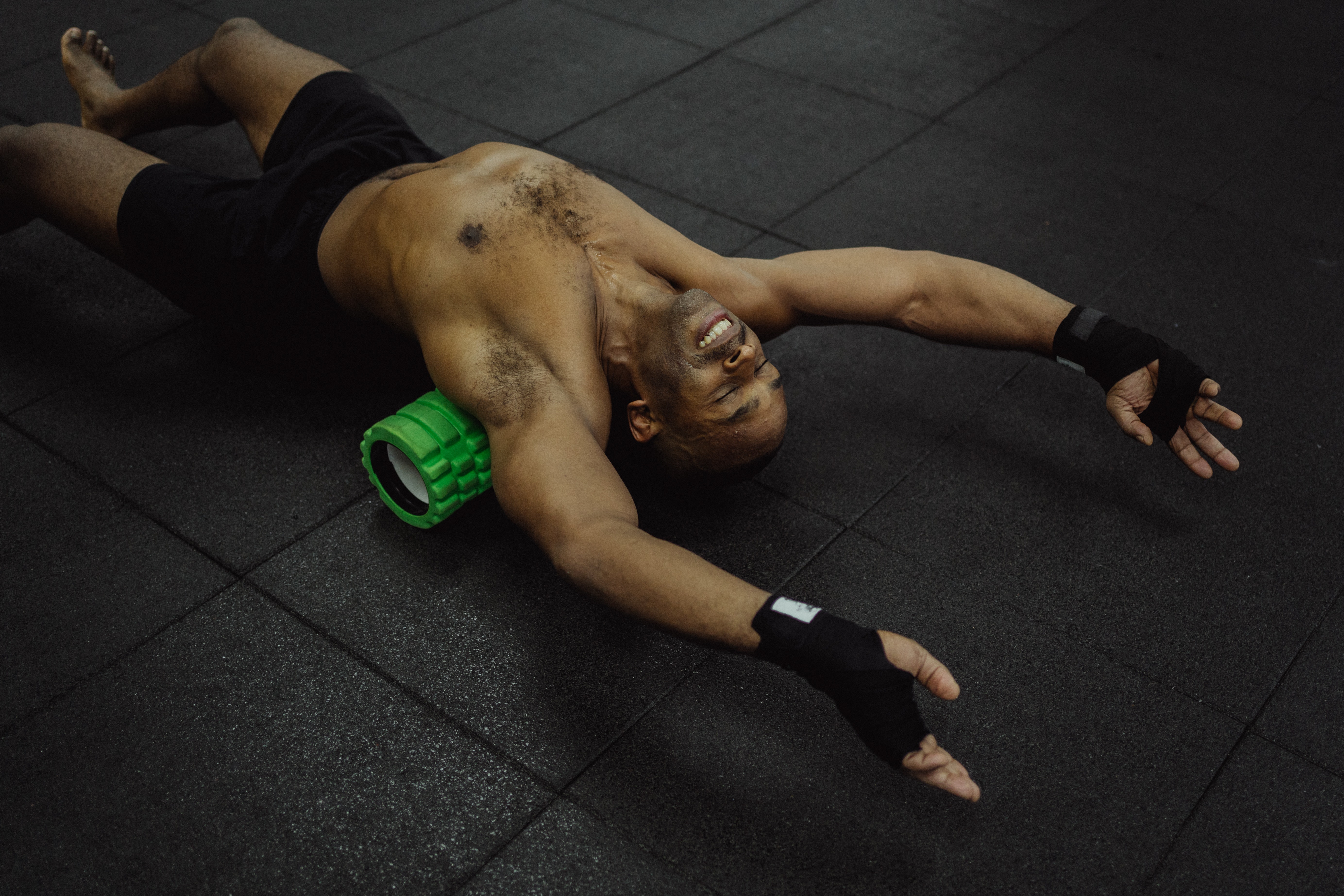
Foam rolling in simple terms is a way of massaging your muscles using your own body weight. By rolling over tight areas, you apply pressure to the fascia, which is the connective tissue surrounding muscles. It can help release tension and improve mobility.
Research indicates that exercise like foam rolling targets the shoulders and pectoral muscles may enhance shoulder mobility and stability.
What is the Science Behind It
According to studies foam rolling can have several benefits:
- Reduced muscle soreness: Studies have shown that people who foam roll after exercise report less delayed onset muscle soreness, the stiffness that usually kicks in a day or two after a tough workout.
- Improved flexibility: Rolling can temporarily increase your range of motion, making it easier to stretch and move freely.
- Enhanced blood flow: The pressure and movement stimulate circulation, which may help deliver nutrients to tired muscles and speed up recovery.
- Prevents potential Injury: By keeping muscles supple and reducing tightness, foam rolling may lower the risk of strains and overuse injuries.
That said, foam rolling isn't a magic bullet. It won't replace proper warm-ups, cool-downs, or strength training for injury prevention. But it can be a useful tool in the recovery toolkit.
Read more: Just Taking Ozempic Won't Help With Weight Loss, Daily Exercise Still Matters: New Study Warns
What It Feels Like
Foam rolling isn't always comfortable. In fact, it can feel downright painful when you hit a knot or tight spot. But that discomfort is often a sign that the muscle is tense and in need of release. The key is to roll slowly, breathe through the pressure, and avoid pushing too hard. Overdoing it can cause bruising or irritation, which defeats the purpose.
How to Use a Foam Roller Effectively
Here are some tips to follow while using a foam roller.
- Target major muscle groups: Quads, hamstrings, calves, glutes, and back are the most common areas.
- Roll for 30-60 seconds per muscle: Spend enough time to feel the tissue loosen, but don't linger excessively.
- Combine with stretching: Foam rolling works best alongside dynamic stretches and mobility exercises.
- Listen to your body: If you feel sharp pain, stop. Foam rolling should be uncomfortable but not unbearable.
Is foam roller essential or optional?
Some fitness professionals swear by foam rolling, while others see it as optional. Experts may argue that the evidence is still limited and that the benefits may be short-lived. Supporters counter that even temporary relief from soreness and stiffness can make a big difference in sticking to a regular workout routine.
Read more: 8 Cardio Exercises You Can Do At Home During Winter For Better Health
Ultimately, whether foam rolling is "essential" depends on your body and your training style. For runners, weightlifters, and anyone doing high-intensity exercise, it can be a valuable recovery aid. For casual gym-goers, it might simply feel good and help ease tension after a long day.
A Balanced approach
Foam rolling is not a cure-all, but it's far from useless. Think of it as part of a broader recovery strategy that includes:
- Proper hydration and nutrition
- Adequate sleep
- Stretching and mobility work
- Gradual progression in training
Used wisely, foam rolling can help reduce pain, improve movement, and possibly lower injury risk. But it should complement, not replace, other recovery practices.
So, can using a foam roller help reduce pain and injury after workouts? The answer is yes but with caveats. It can ease soreness, improve flexibility, and support recovery, but it's not a substitute for smart training habits. If you're curious, give it a try. At worst, you'll spend a few minutes rolling around on the floor. At best, you'll feel looser, recover faster, and keep your workouts on track. However, it is always advised to practice this under the supervision of a fitness expert