

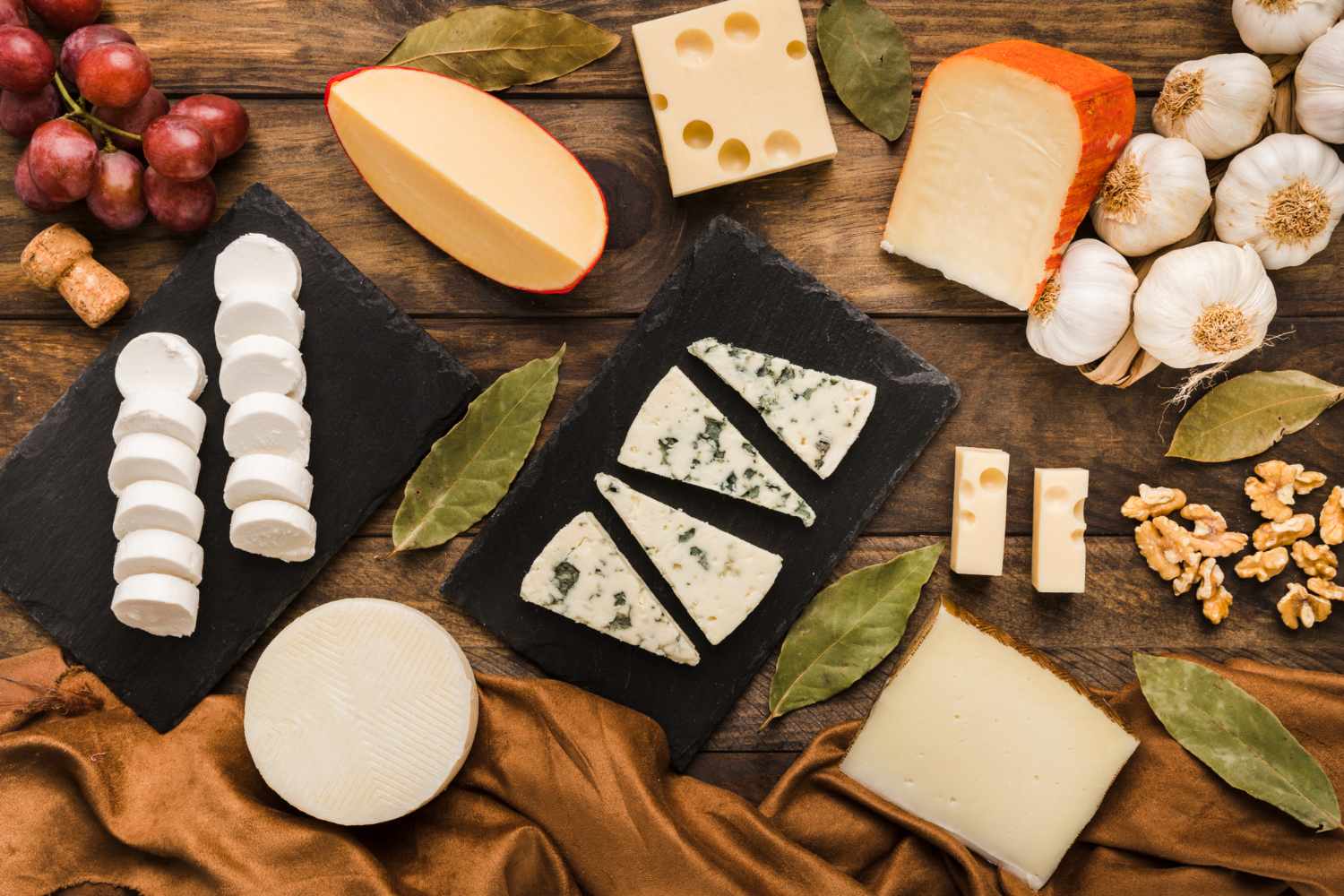
)
For decades, dietary advice has emphasised limiting saturated fats to protect heart and brain health. But a newly published long-term study challenges some of those assumptions by suggesting that certain high-fat dairy products like cheese and cream may be associated with a lower risk of dementia over decades of follow-up. The research, published in the journal Neurology, followed more than 27,000 adults in Sweden for around 25 years, tracking their dairy consumption and subsequent incidence of dementia.
While public health guidance has typically recommended low-fat dairy to reduce cardiovascular risk, this study found that people who ate at least 50 grams of high-fat cheese daily, about two slices, had a significantly lower risk of developing dementia compared to those who ate very little. Participants consuming high-fat cream also showed reduced dementia risk. The findings have sparked interest because they suggest that not all dairy fats may be equal in their potential impact on long-term brain health.
However, researchers and neurologists emphasise that this research shows an association, not causation, and that overall lifestyle, genetics and other dietary factors remain more robust predictors of dementia risk. Understanding what this study does and doesn't show can help readers interpret its implications responsibly.
What the Swedish Study Found
The research analysed data from 27,670 adults aged 45-73 at baseline, drawn from the Malmo Diet and Cancer cohort in Sweden. Detailed dietary intake was captured using food diaries, frequency questionnaires and interviews at the start of the study. Participants were followed for a median of roughly 25 years, during which 3,208 cases of all-cause dementia were recorded. Here's what they found:
High-Fat Cheese:
- Consuming around 50 grams/day of high-fat cheese (cheddar, Brie, Gouda and similar cheeses with more than 20% fat) was linked with a 13% lower risk of all-cause dementia compared with low intake (approximately15 g/day).
- The association was strongest for vascular dementia, with around 29% lower risk in high consumers.
- There was also a lower risk of Alzheimer's disease among those without a specific gene variant, a known genetic risk factor for Alzheimer's.
High-Fat Cream:
- Participants consuming around 20 grams/day of high-fat cream (around 1-2 tablespoons) had about a 16% lower risk of all-cause dementia compared with non-consumers.
- The cream intake association also extended to both Alzheimer's disease and vascular dementia in the study's models.
Not All Dairy Fared the Same
Interestingly, low-fat cheeses, low-fat cream, milk (both high- and low-fat), butter and fermented milk products like yogurt and kefir showed no significant association with dementia risk in the same analyses.
What This Does (And Doesn't) Mean
- Correlation, Not Causation: Researchers caution that the study's observational design means it can identify correlations but cannot prove that high-fat cheese or cream cause reduced dementia risk. Other lifestyle and health factors could contribute to both dairy consumption patterns and cognitive outcomes.
- Genetic Factors: The protective pattern for Alzheimer's disease observed with high-fat cheese was present only among non-carriers of the APOE e4 allele, highlighting the complex interplay between genetics and diet in dementia risk.
- Balancing Overall Health: Experts stress that the study's findings should not be taken as a licence to consume large amounts of saturated fat indiscriminately. Traditional risk factors, including blood pressure, diabetes, smoking, exercise and overall diet quality, remain critically important for both cardiovascular and brain health.
Dietary patterns rich in fruits, vegetables, whole grains, lean protein and healthy fats (such as those emphasised in Mediterranean diets) have the strongest evidence supporting cognitive health in large interventional and observational studies. Organisations like the World Health Organization (WHO) and Alzheimer's Disease International continue to recommend balanced diets and lifestyle management as part of dementia risk reduction strategies.
Also Read: Is Cheese Healthy? The Good, The Bad And The Tasty Facts, Explained
What Nutrients in Cheese and Cream Might Help?
Though the study did not pinpoint mechanisms, scientists speculate that fat-soluble nutrients in full-fat dairy could play a role. These include:
- Vitamin A and Vitamin D
- Vitamin K2
- Vitamin B12
- Essential minerals like zinc, selenium and iodine
These nutrients support neurological function, vascular health and metabolism. However, these hypotheses require further investigation in controlled trials before firm conclusions can be drawn.
Public Health Perspective
Given that dementia affects tens of millions globally and is expected to rise with ageing populations, research into modifiable risk factors remains crucial. Diet is only one piece of a multifaceted prevention approach that includes:
- Regular physical activity
- Blood pressure and diabetes control
- Cognitive stimulation
- Smoking cessation
A balanced lifestyle approach has the strongest evidence for reducing dementia risk, according to major neurological and public health organisations.
The Swedish study on high-fat cheese and cream provides intriguing evidence that certain full-fat dairy products may be linked to lower long-term dementia risk. However, because the research is observational, it cannot prove causation, and the benefits observed likely interact with other health and lifestyle factors. While high-fat cheese and cream may be part of a diet that supports brain health, prioritising overall diet quality, physical activity and metabolic health remains key to dementia prevention.
Disclaimer: This content, including advice, provides generic information only. It is in no way a substitute for a qualified medical opinion. Always consult a specialist or your own doctor for more information. NDTV does not claim responsibility for this information.