

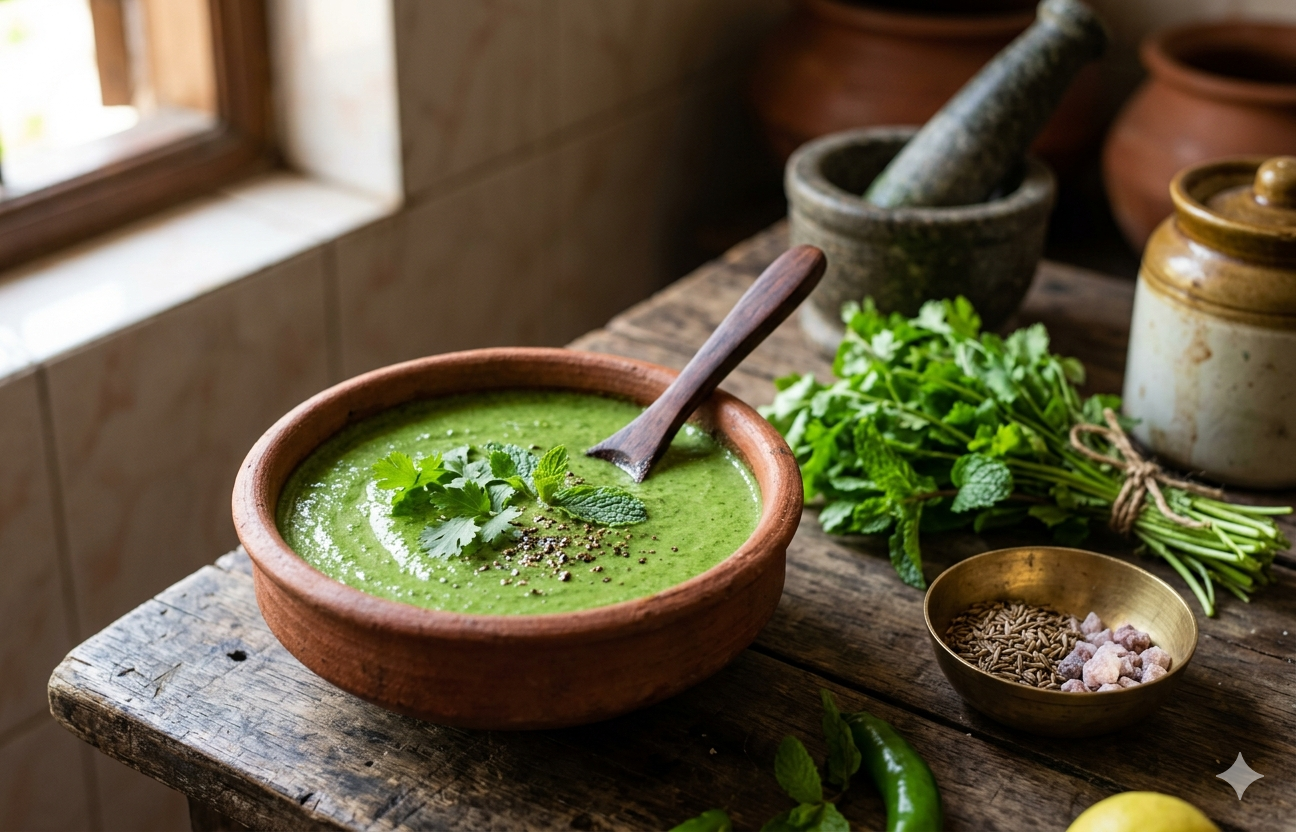
)
In the architecture of a traditional Indian thali, the small mound of green chutney tucked into the corner often feels like an afterthought, a splash of colour or a spicy companion to a heavy paratha. However, in the context of a heated Indian summer, this vibrant condiment is far more than a flavour enhancer. It is a sophisticated digestive tonic, a cooling agent, and a nutritional powerhouse designed to counteract the seasonal challenges that heat imposes on the human body.
The summer months bring a specific physiological hurdle: "sluggish digestion". As environmental temperatures rise, the body redirects blood flow toward the skin to facilitate cooling through sweat. This shift can leave the gastrointestinal tract under-perfused, leading to delayed gastric emptying, bloating, and that all-too-familiar feeling of post-meal heaviness. The combination of coriander (dhania) and mint (pudina), which are the dual pillars of the classic summer chutney that acts as a corrective mechanism, is backed by centuries of traditional wisdom and modern nutritional science.
The Science of Dhania: The Enzyme Stimulator
Coriander (Coriandrum sativum) is much more than a garnish. In the realm of gut health, both the seeds and the fresh leaves play a critical role in metabolic signalling.
1. Secretion of Gastric Juices
Research published in the Ethnopharmacology of Wild Plants indicates that coriander stimulates the endocrine system, prompting the secretion of digestive enzymes and gastric juices.
This biochemical "ignition" is essential during summer when the digestive fire tends to flicker. By enhancing enzyme activity, coriander ensures that proteins and fats are broken down efficiently, reducing the likelihood of fermentation in the gut, which is the primary cause of gas.
2. Anti-spasmodic Compounds
Coriander contains volatile oils, specifically linalool and geranyl acetate. These compounds function as natural anti-spasmodics. A study published in Digestive Diseases and Sciences highlighted that coriander can significantly reduce the severity and frequency of abdominal pain and discomfort in individuals suffering from irritable bowel syndrome (IBS) by relaxing the smooth muscles of the digestive tract.
3. Heavy Metal Detoxification
There is growing scientific interest in coriander's "chelating" properties. The plant can bind to heavy metals like lead and mercury in the tissues, facilitating their removal from the body. While more human trials are needed, this potential for detoxification makes it a valuable addition to a modern, urban diet.
Also Read: Okra Water vs Lauki Juice: Which Is Better For Managing Cholesterol?
The Power of Pudina: The Thermal Regulator
While coriander handles the mechanics of digestion, mint (Mentha piperita) focuses on the "environment" of the gut. In the following manner:
- Menthol as a muscle relaxant as the primary active component in mint is menthol. Menthol has a unique ability to block calcium channels in the smooth muscles of the intestinal wall, producing a relaxing effect.
- This is why mint is a gold-standard natural remedy for bloating and colicky pain. It allows trapped gas to pass more easily, providing rapid relief from summer distension.
- The cooling mechanism as menthol doesn't just feel cold; it actually triggers the TRPM8 receptors—the "cold-sensitive" receptors in the stomach lining and mouth. This provides a sensation of "thermal relief", signalling the nervous system to lower the perception of heat. In the middle of a June afternoon, this chemical cooling is a vital sensory reboot for the system.
- Combating pathogens in the summer is unfortunately the season of food-borne illnesses. Mint possesses significant antimicrobial properties. It has been shown to inhibit the growth of common pathogens like E. coli and Salmonella, acting as a subtle, natural preservative for the meal being consumed.
The Synergistic Effect: Why the Combo Works
When these two herbs are blended into a chutney, the nutritional sum is greater than its parts.
- Bioavailability: Fresh coriander is an excellent source of vitamin C. This acidity helps in the absorption of minerals like iron and magnesium found in mint.
- Alkalising the Body: Both herbs are highly alkaline. Summer diets often lean toward acidic triggers (spicy pickles or fermented foods); a fresh chutney helps maintain a healthy pH balance, significantly reducing the occurrence of acid reflux.
- The Probiotic Factor: Most traditional recipes incorporate lemon juice or a dollop of curd. The acidity of the lemon stabilises the volatile oils in the herbs, while the curd introduces beneficial lactobacillus, turning a simple condiment into a symbiotic functional food that supports the gut microbiome.
Research Spotlight: What the Data Says
The efficacy of these herbs is well-documented. A study in the Journal of Ethnopharmacology noted that extracts of Coriandrum sativum exhibited significant antioxidant and digestive stimulant activities. Similarly, PubMed data consistently ranks peppermint oil and fresh mint extracts as effective "first-line" natural interventions for gastrointestinal distress, citing their ability to modulate gut motility without the side effects of synthetic drugs.
Also Read: Sugarcane vs. Watermelon Juice: Which Is Better For Cooling And Hydration?
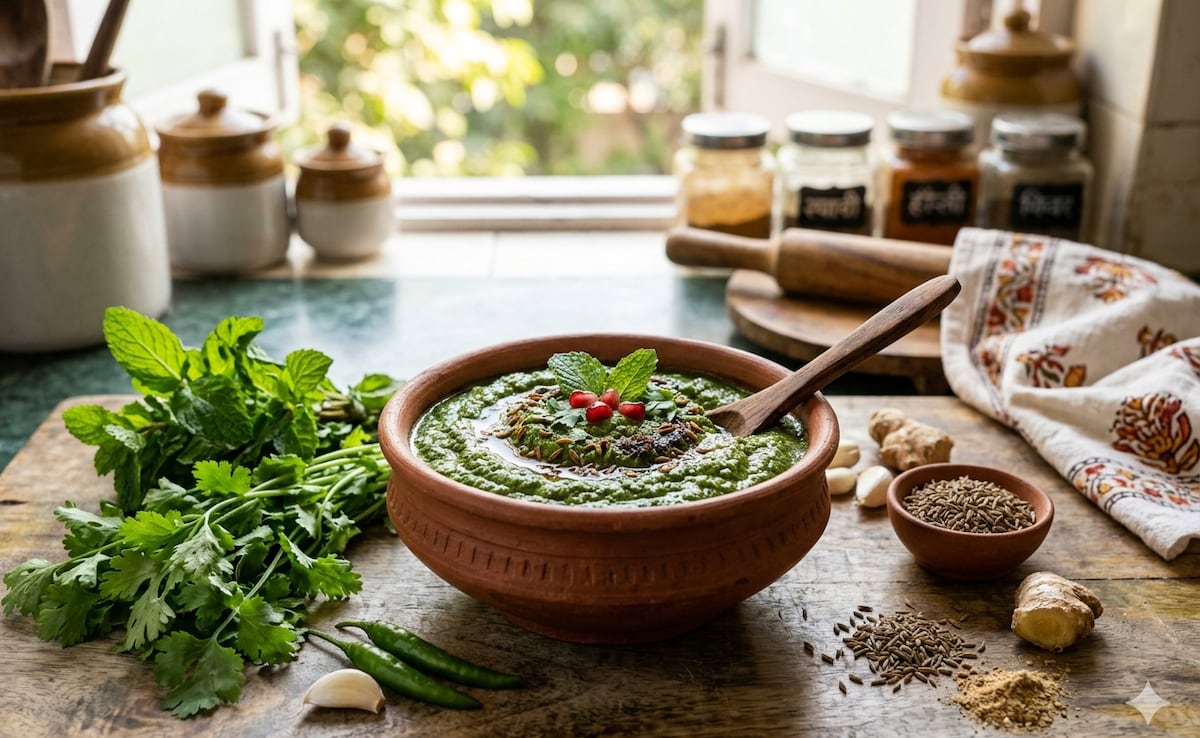
Dhania and pudina chutney ( image is for representation purposes only)
Photo Credit: A.I generated image
Tips for a "Gut-Healing" Summer Chutney
To maximise the therapeutic value of a chutney, the preparation method matters:
- Skip the Sugar: While "khatta-meetha" is popular, excess refined sugar can cause gut fermentation. Use a small piece of jaggery or rely on the natural sweetness of the herbs.
- Kala Namak (Black Salt): Use black salt instead of regular table salt. It is rich in sulphur compounds and minerals that further stimulate enzyme production.
- The Freshness Rule: Volatile oils like menthol and linalool degrade rapidly once the leaves are crushed. A chutney sitting in the fridge for four days has lost its medicinal "edge". For the best results, grind a fresh batch every two days.
- Balance the Heat: A single green chilli provides capsaicin, which boosts metabolism and triggers a "sweat-cool" response, but overdoing it can irritate the stomach lining. Keep it mild to let the herbs do the heavy lifting.
When it comes to summer nutrition, it is often the smallest additions that yield the most significant results. A daily spoonful of fresh Dhania-Pudina chutney is not just a culinary tradition; it is a scientifically sound intervention for a heat-stressed digestive system. By supporting gut motility, relaxing the intestinal muscles, and providing internal cooling, this humble green paste ensures that the body remains as resilient as it is well-fed. This season, view the chutney on the plate not as an extra but as an essential.
Disclaimer: This content, including advice, provides generic information only. It is in no way a substitute for a qualified medical opinion. Always consult a specialist or your own doctor for more information. NDTV does not claim responsibility for this information.