

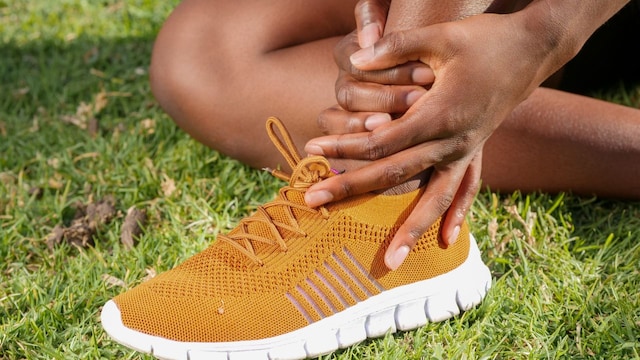
A knee that hurts after a long walk. An ankle that feels stiff when you wake up. A shoulder that starts aching after you return to the gym. If you had a sports injury years ago, these symptoms may feel unrelated to an incident you had almost forgotten. In some cases, they are connected.
An old injury can change how a joint moves, bears weight or responds to physical activity. The original pain may have disappeared, but damage to cartilage, ligaments or other structures can leave the joint more vulnerable over time.
Why an old injury can resurface
A major ligament injury, cartilage injury, fracture or repeated joint trauma can affect the way forces pass through a joint. Even after you regain normal movement, the joint may not function exactly as it did before.
The knee is a common example. Research has found that people who suffer an anterior cruciate ligament, or ACL, injury have a higher long-term risk of developing knee osteoarthritis. Meniscus injuries can also increase that risk, particularly when combined with ligament damage or surgery.
You may therefore feel fine for several years and then notice pain when your activity level increases. The problem may become obvious when you start running again, take up a sport, gain weight, or spend more time climbing stairs.
The injury may have changed how you move
After an injury, your body often adapts without you noticing. You may put slightly more weight on one leg, avoid bending a joint fully or rely more heavily on another muscle group.
These changes can become habitual. For example, after an ankle sprain, you may continue to have reduced ankle movement or poorer balance even after the swelling and pain have gone. That can affect how your knee and hip move during walking or exercise.
This is why being pain-free does not always mean the joint has completely returned to its previous function.
READ | Rishabh Pant Ruled Out With Left-Side Strain: What Does The Injury Mean?
When you should pay attention
Recurring joint pain deserves more attention when it follows a previous injury and keeps appearing with the same activities.
Look out for swelling after exercise, stiffness that lasts, a joint that catches or locks, repeated giving way, reduced movement, or pain that gradually becomes easier to trigger.
The pattern matters too. If your knee starts hurting every time you run three kilometres, or your ankle swells after a long game of badminton, keep track of it. Your activity, duration, pain and swelling can give a doctor useful information. Do not assume that increasing pain is simply part of getting older.
What you can do before it becomes a bigger problem
Start with the basics. If you have returned to sport after years away, increase your training gradually rather than immediately returning to your previous intensity.
Strength matters. Exercises that build the muscles around the affected joint can improve stability and help you control movement. For the knee, this may include strengthening the quadriceps, hamstrings and hip muscles. For an ankle injury, balance and calf strength may also need attention.
Mobility is equally important. A joint that has become stiff can alter movement elsewhere. A physiotherapist can assess whether you have lost range of motion or developed movement patterns that place extra stress on the joint.
Your body weight can also influence symptoms, particularly in weight-bearing joints such as the knees and hips. If you have gained weight since the original injury, even modest weight reduction may reduce the load placed on your knees during daily activities.
Do not ignore repeated swelling
Swelling after activity can indicate irritation inside the joint. Persistent or recurrent swelling, particularly when accompanied by locking, instability or significant pain, should be assessed.
You may need a physical examination first. Depending on your symptoms and injury history, your doctor may recommend an X-ray or other imaging. An old sports injury does not automatically mean you need an MRI or surgery. The appropriate investigation depends on what is happening in the joint now.
The goal is to understand the current problem rather than simply treat the injury you had years ago.
Returning to sport safely
If you are restarting a sport after a long break, your previous fitness level should not determine your current training load. Your joint, muscles and balance need time to adapt again.
Warm up before intense activity. Build strength alongside sport-specific training. Give recurring pain time to settle instead of repeatedly testing the joint to see whether it has improved.
If an old injury keeps returning, get it assessed before increasing your workload. Early attention can help identify weakness, stiffness or instability before these problems start interfering with everyday activities.
A sports injury from ten years ago may have little relevance to your joint today. But if the same joint repeatedly becomes painful, swollen or unstable, your injury history is important information. The aim is not to blame every new ache on an old injury. It is to recognise when the two may be connected and address the underlying problem.
(By Dr. Kiran Kumar, Consultant - Orthopedics, Manipal Hospitals Vijayawada)
Disclaimer: The opinions expressed within this article are the personal opinions of the author. NDTV is not responsible for the accuracy, completeness, suitability, or validity of any information on this article. All information is provided on an as-is basis. The information, facts or opinions appearing in the article do not reflect the views of NDTV and NDTV does not assume any responsibility or liability for the same.