

)
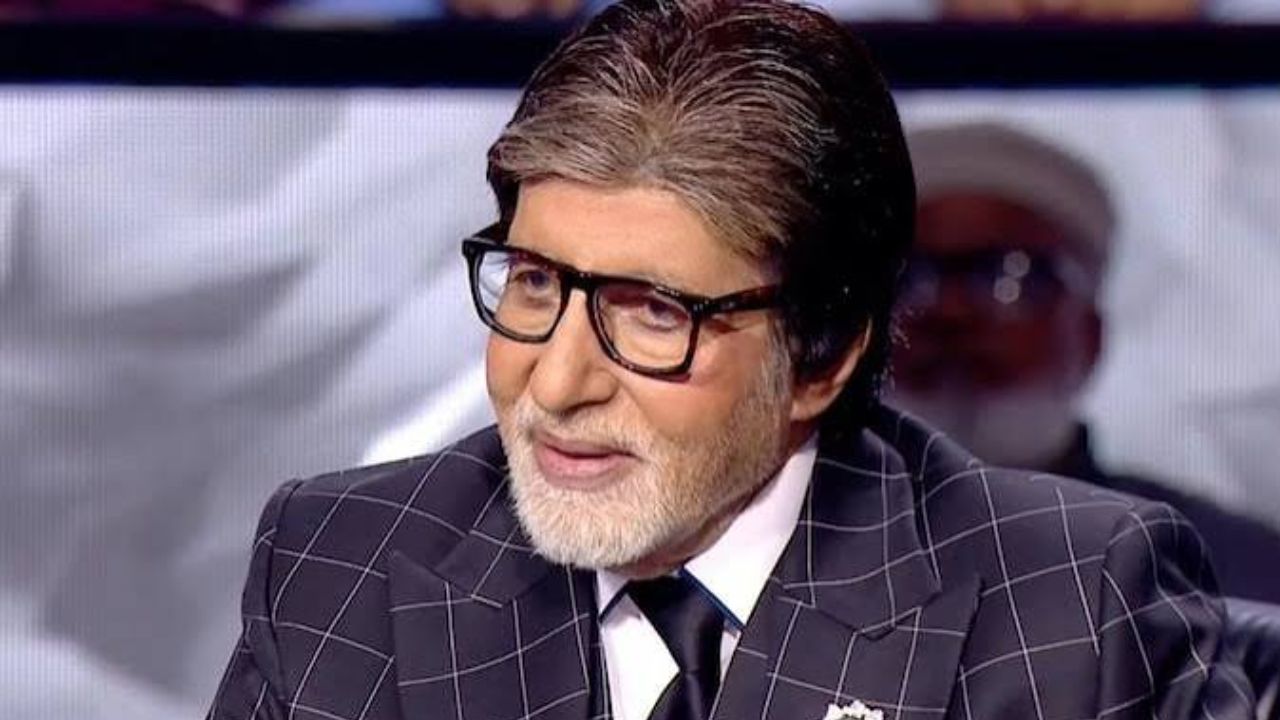
Amitabh Bachchan has shared a health update after suffering a knee injury during the shooting of Kaun Banega Crorepati 18. The 83-year-old actor revealed that he slipped and fell during a recent shoot and injured his knee. While he reassured viewers that the injury was not severe, he said he had "a little bit of difficulty standing up" and chose to deliver his opening monologue while seated. The incident highlights an issue that becomes increasingly important with age: knee health. While an injury can cause temporary pain and difficulty bearing weight at any age, ageing can also bring changes to the joints, muscles and tissues around the knee. The knee is a complex joint involving bones, cartilage, ligaments, tendons and muscles. Over time, changes can occur in several of these structures. One of the most common conditions affecting older adults is osteoarthritis. It develops gradually as tissues within the joint change and break down. The knee is among the joints most commonly affected. So, what actually happens to the knees as we get older, and when should knee pain or stiffness be checked?
Why Do Knees Become More Vulnerable With Age?
"As we age, the knees naturally undergo changes because they bear much of the body's weight and are involved in almost every movement, including walking, climbing stairs and standing up. The cartilage that cushions the ends of the bones can gradually become thinner and less resilient over the years. This can increase friction within the joint and contribute to stiffness, discomfort and reduced mobility. The muscles around the knee, particularly the quadriceps, may also become weaker with age, reducing the joint's stability and making everyday movements more challenging," says Dr Pushkar Chawla, Director and Unit Head, Orthopaedics, ShardaCare - Healthcity. With osteoarthritis, the protective cartilage covering the ends of bones can become damaged. This can contribute to pain, stiffness, swelling and reduced range of movement. In some people, the knee may also feel weak or give way.
Why Does Standing Up Become Difficult?
Getting up from a chair or standing after sitting for a long time requires coordinated movement from the knees, hips and surrounding muscles. Knee pain, stiffness or reduced muscle strength can make this movement harder. Osteoarthritis can cause stiffness after periods of inactivity and can make everyday activities such as walking or climbing stairs more difficult. However, difficulty standing up after an injury does not automatically mean that a person has arthritis. In Bachchan's case, his reported difficulty followed a recent fall and knee injury, so his symptom should not be interpreted as evidence of an underlying age-related joint condition.
What Happens To Knee Cartilage With Age?
Cartilage provides a smooth surface that allows the bones forming the joint to move against each other. As osteoarthritis develops, this cartilage and other joint tissues can undergo structural changes. The joint may become painful and stiff, while movement can become more restricted. Bone spurs can also develop around an affected joint. Importantly, osteoarthritis is not simply a matter of the knee "wearing out". Researchers describe it as a disease involving changes to multiple tissues within the joint, rather than cartilage damage alone.
According to Dr Chawla, Osteoarthritis is another common concern, particularly when there is previous joint injury, excess weight, muscle weakness or prolonged stress on the knees. Warning signs include persistent pain, swelling, stiffness after periods of inactivity, a grinding sensation, difficulty climbing stairs and reduced range of motion.
Age Is Not The Only Risk Factor
Getting older increases the likelihood of osteoarthritis, but it is not the only factor involved. Previous injuries or surgery involving the knee, excess body weight, repetitive stress on a joint and family history can also increase the risk. Younger people can develop osteoarthritis too, particularly after significant joint injury. This is why maintaining strength and mobility throughout adulthood can be important for long-term joint function.
Can Exercise Protect Your Knees?
Regular physical activity can help maintain muscle strength, mobility, balance and functional capacity as people age. The key is choosing activities that are appropriate for your fitness level and physical condition. Low-impact activities such as walking, swimming and cycling may be easier on painful knees than high-impact exercise for some people. Strength and mobility exercises can also be incorporated into an age-appropriate fitness programme.
Bachchan himself has previously been reported to maintain a long-standing fitness routine, including strength work and yoga, although his routine has also been modified over time to address changing physical needs. That does not mean an older person should copy a celebrity's workout. Exercise should be adapted according to age, fitness level, previous injuries and existing medical conditions.
Don't Ignore Persistent Knee Pain
An occasional ache after unusual physical activity may not necessarily indicate a serious problem. But persistent pain, swelling, stiffness, instability or restricted movement deserves medical assessment. After an injury, difficulty putting weight on the leg, significant swelling, inability to move the knee normally or a knee that gives way should also be evaluated. Early assessment can help identify whether symptoms are related to a ligament or meniscus injury, osteoarthritis, inflammation or another condition.
How To Keep Your Knees Healthy As You Age
There is no guaranteed way to prevent every knee problem, but several habits can support joint and overall musculoskeletal health. Stay physically active: Regular movement can help maintain strength and mobility.
- Build leg strength: Strong muscles around the hips and knees can support everyday movement and function.
- Maintain a healthy body weight: Excess weight can increase the load placed on weight-bearing joints such as the knees.
- Warm up before exercise: Gradually preparing the body for physical activity can make movement more comfortable.
- Do not train through significant pain: Persistent pain, swelling or instability should not simply be ignored in the hope that it will disappear.
- Adapt your routine: As fitness, age and physical condition change, exercise intensity and movements may need to be modified.
Amitabh Bachchan's recent knee injury serves as a reminder that maintaining mobility becomes increasingly important with age. But difficulty standing after an injury should not automatically be attributed to ageing or arthritis. Knee osteoarthritis can cause pain, stiffness and difficulty with everyday movements, but many factors can contribute to knee problems. Regular physical activity, appropriate strength training, maintaining a healthy weight and addressing persistent symptoms early can all help support mobility as you get older.
For healthy ageing, the goal is not simply to keep exercising for as long as possible. It is to keep the body strong, mobile and capable of performing everyday activities safely
Disclaimer: This content including advice provides generic information only. It is in no way a substitute for a qualified medical opinion. Always consult a specialist or your own doctor for more information. NDTV does not claim responsibility for this information.