

)
Sleep apnea is a common sleep disorder wherein breathing repeatedly stops and starts during sleep. The most common type is obstructive sleep apnea (OSA), which happens when the muscles in the throat relax too much and block the airway. Many people with OSA snore loudly, wake up tired, and feel sleepy during the day. Standard treatment usually includes lifestyle changes and machines such as CPAP devices that keep the airway open. While these treatments work well, many patients find them difficult to use every night. A new study has now raised hopes about a pill taken once before bedtime.
Researchers recently tested a medicine called AD109 in a large phase 3 clinical trial and found encouraging results. The treatment is a once-nightly oral pill designed specifically for obstructive sleep apnea. Unlike many existing treatments that mainly manage symptoms, this pill aims to address the physical reasons behind airway collapse during sleep. The findings were presented at the 2026 American Thoracic Society International Conference. The study, "Aroxybutynin and Atomoxetine (AD109) for Obstructive Sleep Apnea: A Randomized Phase 3 Trial" will be published in the American Journal of Respiratory and Critical Care Medicine. Patrick John Strollo, MD, sleep medicine physician at the University of Pittsburgh Medical Center and first author of the study, said, "These results provide encouraging evidence that targeting neuromuscular dysfunction can translate into meaningful clinical outcomes, aligning with our evolving understanding of the disease biology."
What Makes Sleep Apnea Hard to Treat?
Obstructive sleep apnea affects millions of people worldwide. During sleep, muscles around the upper airway relax. In some people, the airway becomes too narrow or collapses completely, which stops airflow for short periods. These repeated pauses can happen many times each hour.
This eventually leads to poor sleep quality, morning headaches, daytime tiredness, trouble concentrating, and mood changes. Over time, untreated sleep apnea may also increase the risk of other health issues such as high blood pressure and heart disease. Because of these risks, doctors often recommend treatment as early as possible.
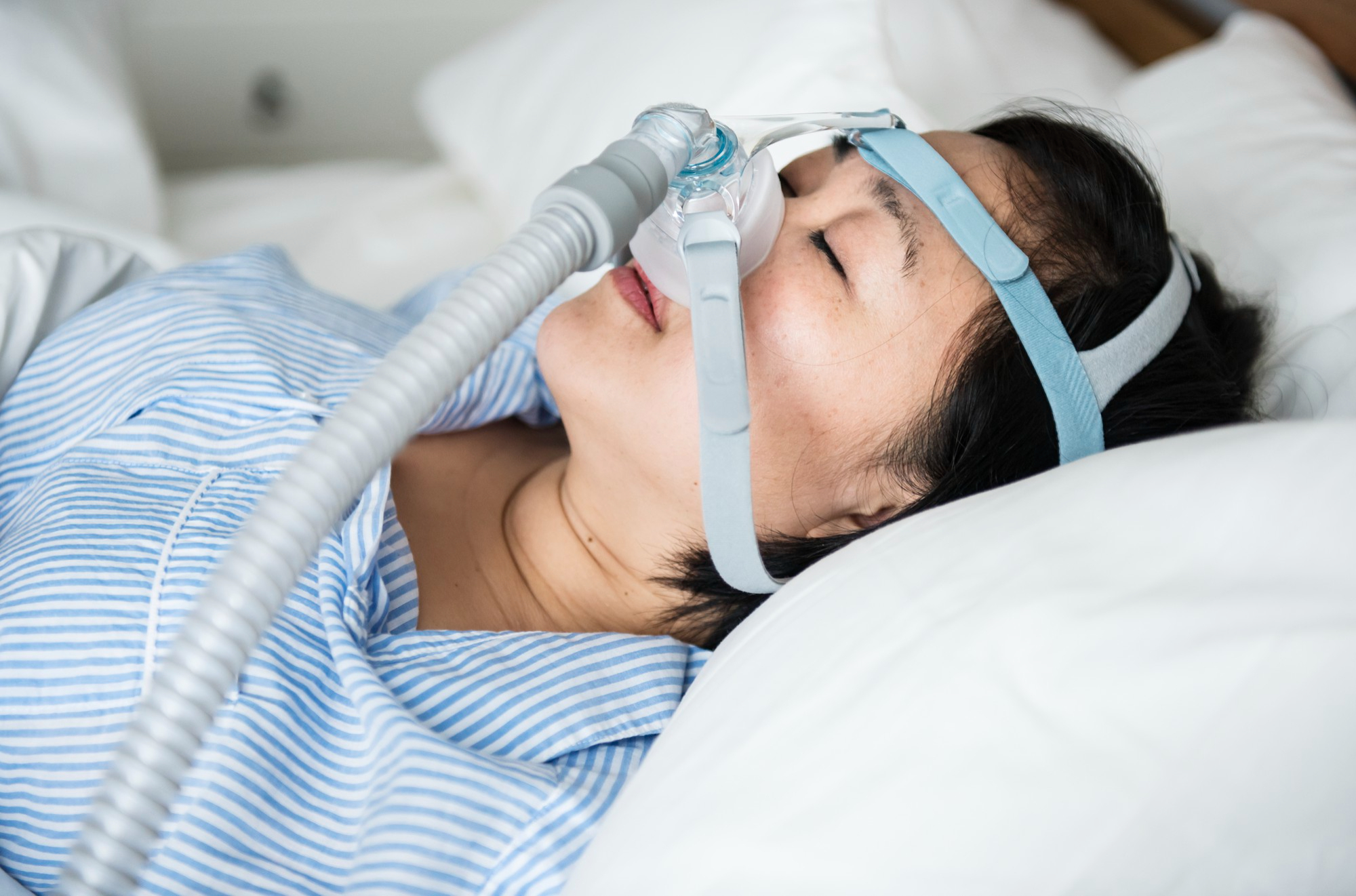
CPAP machines are the most common treatment. They push air through a mask to keep the airway open. However, some patients struggle due to discomfort, noise, or wearing the mask throughout the night.
What Is AD109?
AD109 is an experimental drug made by combining two medicines: aroxybutynin and atomoxetine. Together, they are designed to improve muscle activity in the throat during sleep.
The idea is simple. If throat muscles stay firmer during sleep, the airway may remain open more easily. This could reduce the repeated airway collapses that cause obstructive sleep apnea. The team describes AD109 to be different from many earlier approaches because it tries to treat the underlying neuromuscular causes of airway blockage rather than only managing symptoms. This makes it one of the first treatments of its kind for OSA.
What Did The New Study Find?
The phase 3 study produced promising results. Researchers reported that people taking AD109 experienced major improvements in sleep apnea events. The medicine helped lower the number of breathing interruptions that occurred during sleep.
The study noted that the reduction in sleep apnea episodes was significant, with some trial findings showing reduction of around 44% or more. Improvements in oxygen levels during sleep were also observed. These changes are important because repeated oxygen drops are one of the major concerns in sleep apnea.
Another important point was convenience. Participants took the pill once at night instead of using equipment while sleeping. For people who cannot tolerate CPAP machines, this could become a good option.
Could This Replace CPAP Machines?
The answer is not yet. CPAP therapy remains the standard treatment and still works very effectively for many patients. Doctors may not suggest that patients stop their current therapy because of this study.
Instead, AD109 may eventually become another option. It could especially help people who struggle with CPAP masks or those who need additional treatment support.
Disclaimer: This content including advice provides generic information only. It is in no way a substitute for a qualified medical opinion. Always consult a specialist or your own doctor for more information. NDTV does not claim responsibility for this information.