

)
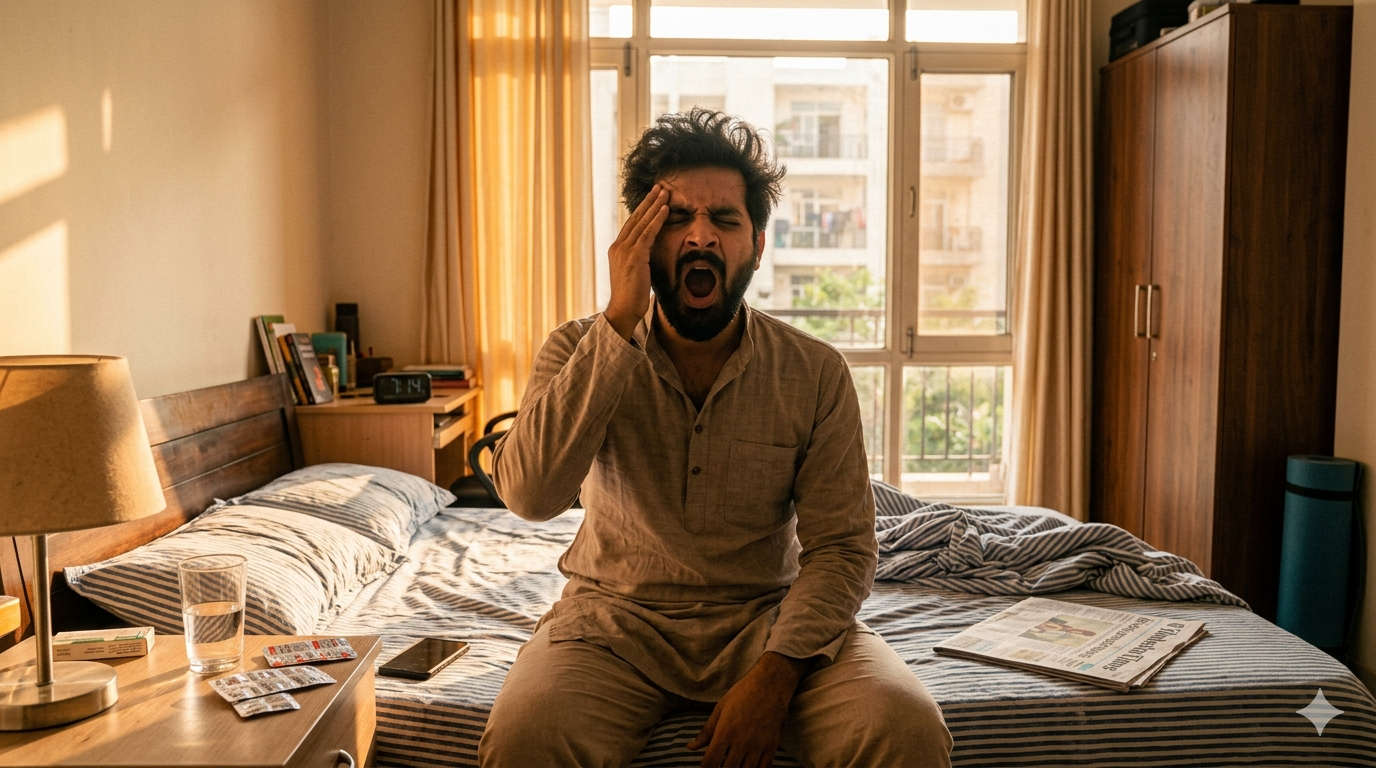
What if there is a smart and proactive way to deal with sleep loss? Sleep banking is a simple yet science-backed approach that's gaining attention for its potential to help people cope better with sleep deprivation. Researchers suggest that sleep banking is about extending sleep over several nights before an anticipated period of sleep loss may be a useful strategy. By building up extra rest in advance, the brain appears to store vital resources that can later be drawn upon, helping to sustain alertness and cognitive performance when sleep deprivation sets in. Sleep banking is exactly what it sounds like, building up extra sleep in advance of a period when you expect to get less rest. Instead of trying to recover after the damage is done, this method focuses on preparing your body beforehand.
What is sleep banking and why is it trending?
The concept of sleep banking was first introduced in 2009 by researchers at the Walter Reed Army Institute of Research. In the study published in the journal Sleep, 24 military personnel were divided into two groups: one slept seven hours per night, while the other was allowed ten. The following week, both groups were restricted to just three hours in bed each night, before returning to a standard eight-hour schedule. The findings were striking. Participants who had banked an additional three hours of sleep experienced a smaller drop in alertness and sustained attention during the period of sleep restriction. Moreover, they recovered baseline performance more quickly than those who had not accumulated extra rest.
Also read: Your Erratic Sleep Schedule Is Silently Harming You: Sleep Specialist Tells How to Fix It
The idea has become increasingly relevant in today's fast-paced world, where long work hours, screen time, and irregular schedules often interfere with consistent sleep. Whether you're a student preparing for exams, a professional facing deadlines, or someone about to travel across time zones, sleep banking offers a practical way to stay ahead.
The science behind sleep banking
Sleep is not just about feeling rested, it plays a critical role in brain function, memory, mood, and overall health. When you don't get enough sleep, your cognitive performance drops, reaction times slow, and your ability to focus declines.
Research suggests that extending sleep in the days leading up to sleep deprivation can create a kind of "buffer." People who increase their sleep duration beforehand tend to perform better on cognitive tasks and report less fatigue compared to those who maintain their usual sleep schedule. In simple terms, giving your body more rest in advance helps it handle stress and fatigue more efficiently when sleep becomes limited.
How sleep banking actually helps
While it doesn't completely eliminate the effects of sleep deprivation, sleep banking can significantly reduce how hard it hits you. Here's how it helps:
- Better alertness: You're likely to stay sharper and more focused, even with reduced sleep
- Improved mood: Extra rest can make you less irritable and emotionally drained
- Stronger performance: Tasks that require attention and quick thinking become easier
- Reduced sleepiness: You may feel less drowsy during the day
This makes it particularly useful for people in high-demand situations such as healthcare workers, shift workers, or frequent travellers.
How to practise sleep banking effectively
If you want to try sleep banking, the key is planning ahead. Here are some simple ways to do it:
- Add extra sleep gradually: Aim for 1 to 2 additional hours of sleep per night for about 3 to 7 days before a busy period
- Go to bed earlier: Rather than waking up late, try shifting your bedtime forward
- Stick to a routine: Consistency helps your body adjust and improves sleep quality
- Limit distractions: Reduce screen time before bed and keep your bedroom dark and quiet
- Prioritise quality: Good sleep hygiene matters just as much as duration
Even a few nights of extended sleep can make a noticeable difference.
Who can benefit the most?
Sleep banking isn't just for extreme situations. It can be useful for anyone anticipating short-term sleep loss, including:
- Students during exam season
- Professionals facing deadlines or night shifts
- New parents adjusting to irregular sleep schedules
- Travellers dealing with jet lag
It's a flexible strategy that can be adapted to different lifestyles and needs.
What sleep banking cannot do
While promising, sleep banking is not a magic fix. It's important to understand its limitations:
- It cannot fully replace consistent, healthy sleep habits
- It won't completely prevent fatigue if sleep loss is severe
- It doesn't reverse the long-term effects of chronic sleep deprivation
If you're regularly sleeping too little, the focus should be on improving your daily sleep routine rather than relying on short-term fixes.
Also read: Sleep: How Less Than 7 Hours Of Sleep Worsens Your Health
The bigger picture: sleep still matters daily
Sleep banking works best as a temporary strategy, not a permanent solution. Experts continue to emphasise that adults should aim for 7 to 9 hours of quality sleep each night for optimal health.
Think of sleep banking as a cushion, not a cure. It can soften the impact of unavoidable sleep loss, but it cannot replace the benefits of consistent rest. Sleep banking offers a practical, science-supported way to prepare for short-term sleep deprivation. By getting extra rest in advance, you can improve your focus, mood, and overall resilience during demanding periods. So, the next time you know a busy week is coming up, don't wait until you're exhausted to recover. Try getting ahead of it. A few extra hours of sleep today might make all the difference tomorrow.
Disclaimer: This content including advice provides generic information only. It is in no way a substitute for a qualified medical opinion. Always consult a specialist or your own doctor for more information. NDTV does not claim responsibility for this information.