

)
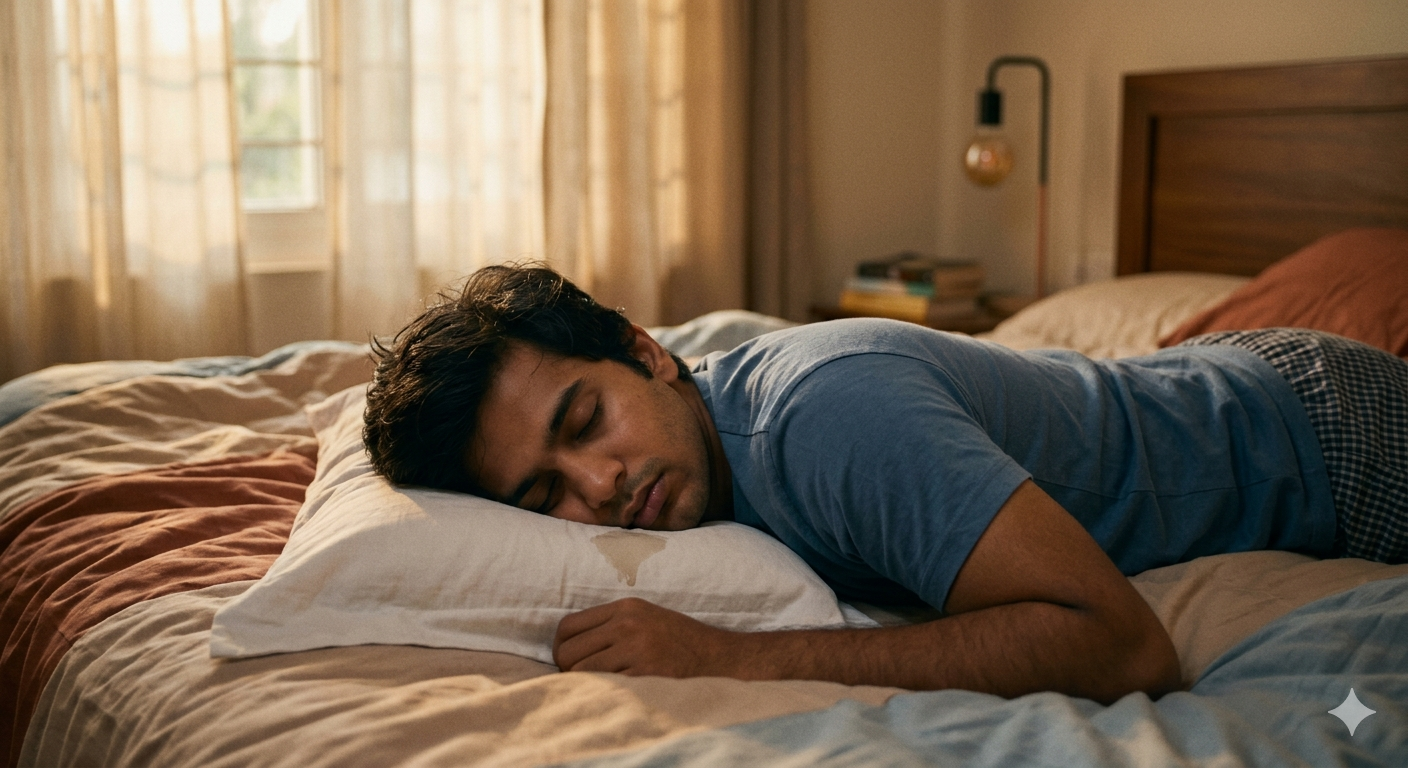
If you are someone who has woken up to find a pool of drool on your pillow and wondered what may be causing it, then there are a number of causes that may be behind it. Drooling during sleep is a common condition that is known as sialorrhea, which happens when an excessive amount of saliva gets pooled in the mouth and spills out during sleep. While it is common, there may be certain underlying health issues that cause it, which need attention.
Possible causes of drooling while sleeping include the presence of neurodegenerative diseases like Parkinson's or hypomimia, which happens when an individual loses facial expressiveness. While a small amount of drool is common, as the sleep posture or what you drank right before sleeping can cause it, if the drool is excessive, then you need to be alarmed.
5 Possible Reasons Drooling Could Be Harmful
1. Sleep Apnoea
This is a sleep condition wherein an individual loses the ability to breathe properly and is jolted awake by their brain. The sudden way that an individual is woken up can result in a negative impact on the quality of sleep. While sleep apnoea is associated with drooling, it can be linked to airway obstruction that has been highlighted in the research published in the Sleep and Breathing Journal.
- In India, the Indian Council of Medical Research (ICMR) indicates that 104 million Indians of working age may be suffering from obstructive sleep apnoea.
- Out of this figure, 13% of men suffer from sleep apnoea and require specialised equipment before sleeping to avoid an impact on sleep quality.
- While 5% of women are impacted, the prevalence of the sleep disorder is becoming common and also rises with age.
2. Neurological Disorders
Excessive drooling, or sialorrhea, is a common symptom of serious brain conditions like Parkinson's, amyotrophic lateral sclerosis (ALS), or stroke that can cause excessive saliva. Drooling during sleep happens because of impaired control over the oral cavity, as highlighted in the research from the American Family Physician, wherein the muscles are unable to hold saliva in the mouth, or it can even happen because of a swallowing dysfunction.
According to the ICMR, Parkinson's impacts 0.3 to 0.5% of the population over the age of 40, but its prevalence is rising to 1 to 2% among those who are over 60. Approximately 7 million Indians are living with Parkinson's, which indicates it poses a significant health burden and sleep burden, as drooling is a byproduct.
3. GERD (Acid Reflux)
Gastro-oesophageal reflux disease, or GERD, affects 7 to 18% of the Indian population, where the stomach acid flows up into the oesophagus and causes heartburn.
According to the research in the Journal of Gastroenterology, nighttime reflux causes drool build-up, which is expelled during sleeping. Hence, people with GERD need to seek active treatment to avoid the experience of excessive drool as soon as they wake up.
Prevention of digestive issues and practising proper maintenance of gut health are necessary to avoid dealing with GERD and the byproduct of excessive drooling.
4. Oral Infections
While excessive drooling during sleep can cause secondary oral infections, certain oral infections can also cause drooling. Be it gum disease or dental issues like a dental misalignment, it can cause excessive saliva build-up to leak out of the mouth. According to the Odontostomatology for the Disabled or Special Patients, people with an overbite or dental misalignment can experience excessive drooling while they sleep.
5. Medication Side Effects
There are specific medications that can cause drooling while sleeping, and research papers indicate that clozapine, risperidone, other neuroleptics, and many more medications can cause excessive drooling. Mainly, this happens as the medications can increase saliva production, and when people are sleeping, the saliva drools out as the facial muscles are relaxed.
Also Read: 5 Sleep Hygiene Hacks For Better Rest In 2026
Health Risks Of Drooling During Sleep Explained
While a little bit of drool is common, there are serious health risks involved with excessive drooling. The health risks are as follows:
- Risk of aspiration (saliva entering lungs), which can cause choking and discomfort in breathing; immediate medical help is needed.
- Sleep quality disruption, which can impact physical and mental well-being and also impact long-term brain rest and overall body functioning.
- Oral hygiene concerns as drool, can attract pathogens or microbes that can cause an infection.
- An indicator of underlying chronic conditions, as excessive drooling is a symptom of serious diseases.
Also Read: Sleep Deprivation Is A Serious Health Concern: Signs Of Poor Sleep Quality You Shouldn't Ignore
Prevention And Management Of Drooling During Sleep
While drooling can take a toll on self-esteem and cause complications, there are certain prevention and management strategies that can help prevent it or even offer momentary relief:
- Sleep position adjustments, especially raising your pillow, can avoid the drool from leaking on your pillow.
- Oral health practices, such as practising daily oral hygiene requirements, can improve overall oral health.
- A medical evaluation is needed if drooling during sleep is persistent.
Drooling is not always harmless, as excessive drooling poses significant health risks. You need to monitor your symptoms and consult a doctor if there is persistent drooling during sleep.
Disclaimer: This content, including advice, provides generic information only. It is in no way a substitute for a qualified medical opinion. Always consult a specialist or your own doctor for more information. NDTV does not claim responsibility for this information.