

)
The phrase "health is wealth" is often discussed in the context of individual fitness routines or daily vitamin intake. However, a groundbreaking report from the World Economic Forum (WEF), titled 'CARE: Closing the Women's Health Gap', has transformed that personal proverb into a significant national economic mandate. The message is clear that for India to reach ambitious economic milestones, the path does not just run through digital infrastructure or manufacturing hubs; it runs through the health and well-being of the female population.
The One Trillion Dollar Opportunity
The most staggering takeaway from the CARE report is the scale of the "Women's Health Gap". Globally, women spend 25% more of their lives in "poor health" compared to men. This is not merely a biological destiny; it is a result of systemic gaps in research, data, and access to care.
For India, the stakes are incredibly high. The report suggests that closing this health gap could boost the global economy by $1 trillion annually by 2040. In addressing women-specific health issues from iron-deficiency anaemia to reproductive health and the rising tide of non-communicable diseases (NCDs) could unlock millions of workdays and significantly increase female labour force participation.
The 'CARE' Framework Explained
The WEF has provided a roadmap alongside the data. The "CARE" acronym stands for four pillars that the Indian health ecosystem must adopt:
- C – Clinical Research: Historically, medical research has been male-centric. From heart disease symptoms to drug dosages, the male body has served as the default. The report calls for gender-disaggregated data to ensure treatments are effective for the female physiology.
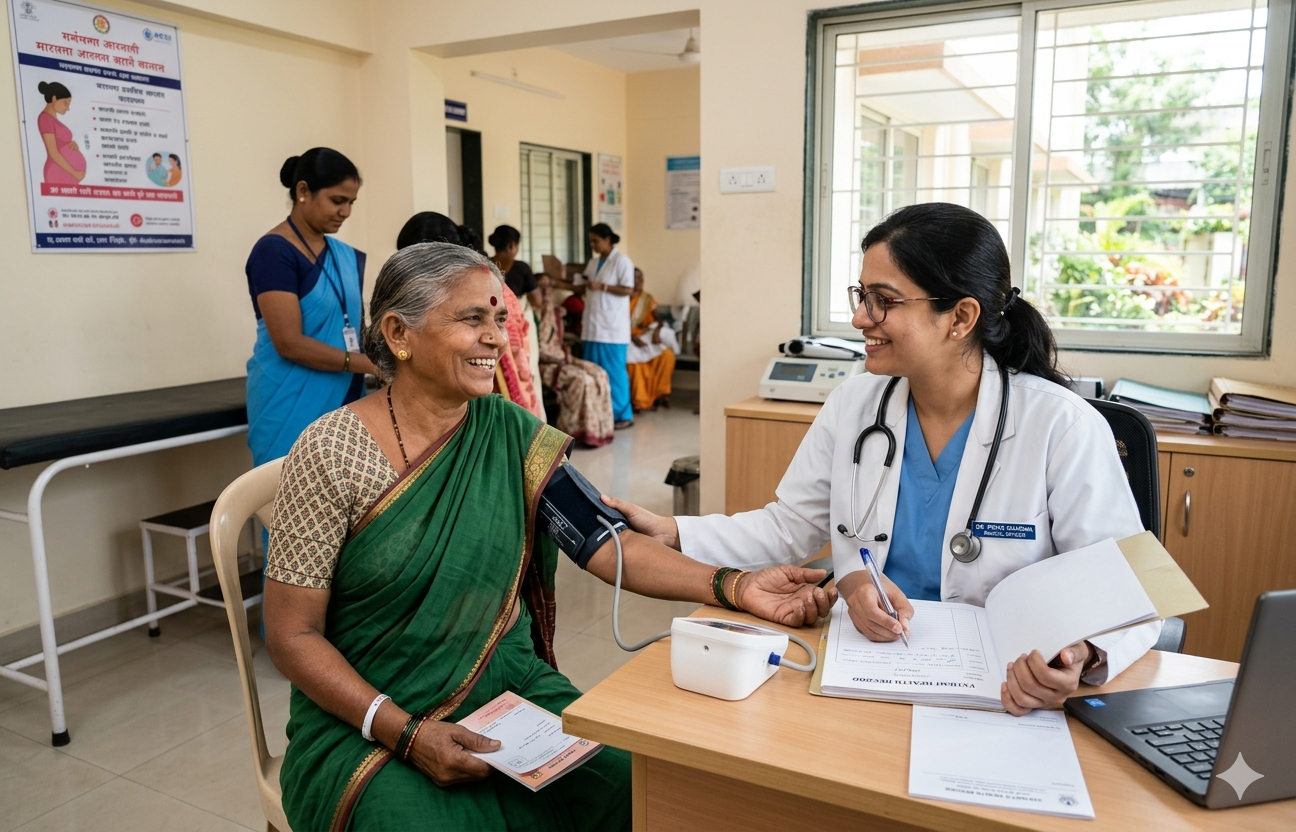
- A – Access to Care: This is particularly relevant for rural India. Even when treatments exist, social stigmas, lack of transport, and "time poverty" often push health to the bottom of the priority list for many women.
- R – Research & Development (R&D) Funding: Only a small fraction of global R&D is currently dedicated to female-specific conditions like endometriosis, menopause, or maternal health. The CARE report advocates for a massive shift in venture capital and government grants toward "FemTech".
- E – Economics and Policy: Health is no longer just a social issue; it is an economic lever. The report urges governments to view health spending as an investment in the GDP, rather than a cost on the balance sheet.
Also Read: No Cysts, No Diagnosis? How The Misleading Name 'PCOS' Failed Millions Of Women
Beyond Reproductive Health.
In India, "women's health" has traditionally been a synonym for "maternal health". While reducing the maternal mortality ratio (MMR) remains vital, the CARE report pushes for a broader perspective.
The female population in India is increasingly facing a "triple burden" of disease:
- Persistent Malnutrition: As highlighted in recent ICMR findings, anaemia remains a national crisis, affecting productivity and cognitive health.
- The NCD Surge: There is a rising incidence of breast and cervical cancers, as well as cardiovascular issues that often go undiagnosed because the symptoms do not always mirror those typically found in men.
- The Mental Health Gap: The pressure of managing professional careers alongside household responsibilities is leading to burnout and stress-related disorders at an alarming rate.
Also Read: This Simple 30-Second Strength Test Could Predict How Long You Live
Why The Economy Responds To Health
The reason a body focused on trade and finance, like the World Economic Forum, is highlighting topics like menstruation and menopause is grounded in data. Research shows that for every 1 USD invested in women's health, there is a 3 USD return in economic growth.
When health is maintained, children are more likely to stay in school, household income rises, and there is a more effective contribution to the professional workforce. In a country like India, which is looking to reap a "demographic dividend", ignoring the health of half the population represents a significant economic risk.
The Path Forward: A Call to Action
Closing the gap requires more than just government policy; it requires a shift in how the "care economy" is perceived.
- For Corporations: This involves implementing health policies that recognise life stages like pregnancy or menopause and providing screening facilities at the workplace.
- For Healthcare Providers: This requires moving toward "gender-sensitive" medicine, where doctors are trained to spot female-specific symptoms of general diseases.
- For the Individual: It means recognising that health is the foundation of any contribution to the family and the country.
The CARE report makes it clear: Women's health is not a niche issue. It is a macroeconomic necessity. By fixing the health gap today, India is not just saving lives; it is securing a future of growth.
Disclaimer: This content, including advice, provides generic information only. It is in no way a substitute for a qualified medical opinion. Always consult a specialist or your own doctor for more information. NDTV does not claim responsibility for this information.