

)
With the arrival of monsoon in India, people heave a sign of relief from the summer heat. Along with cooler weather and fresh greenery, the rainy season also increases the risk of waterborne and foodborne diseases. During this time, many people enjoy seasonal fruits and fresh salads to stay healthy. While fruits and vegetables are packed with vitamins, minerals and fibre, eating them raw during the monsoon may not always be safe if they are not cleaned or handled properly. The damp weather creates favourable conditions for bacteria, viruses and parasites to grow, increasing the risks of contamination.
Diarrhoea is one of the most common health problems reported during the monsoon. It often spreads through contaminated food and water rather than the food itself. Raw fruits and vegetables may carry harmful germs if they have been washed with unsafe water, handled with unclean hands or exposed to dirty surroundings during transport and storage. This does not mean people should avoid fresh produce altogether. Instead, taking a few simple precautions can help reduce the risk of infection.
Why Does The Risk Increase During The Monsoon?
Heavy rainfall can contaminate water sources with sewage and other pollutants. This contaminated water may be used for washing fruits and vegetables or for irrigation. Markets and roadside stalls may also face poor drainage and unhygienic conditions during the rainy season, making it easier for germs to spread.
Warm and humid weather allows bacteria such as E. coli and Salmonella to multiply quickly. If contaminated produce is eaten without proper washing or peeling, these germs can enter the digestive system and cause diarrhoea, stomach cramps, vomiting and fever.
Are All Raw Fruits And Vegetables Unsafe?
No. Raw fruits and vegetables are not automatically harmful during the monsoon. The main concern is contamination. Fruits with thick peels, such as bananas, oranges and pomegranates, are generally safer because the edible portion remains protected until peeled.
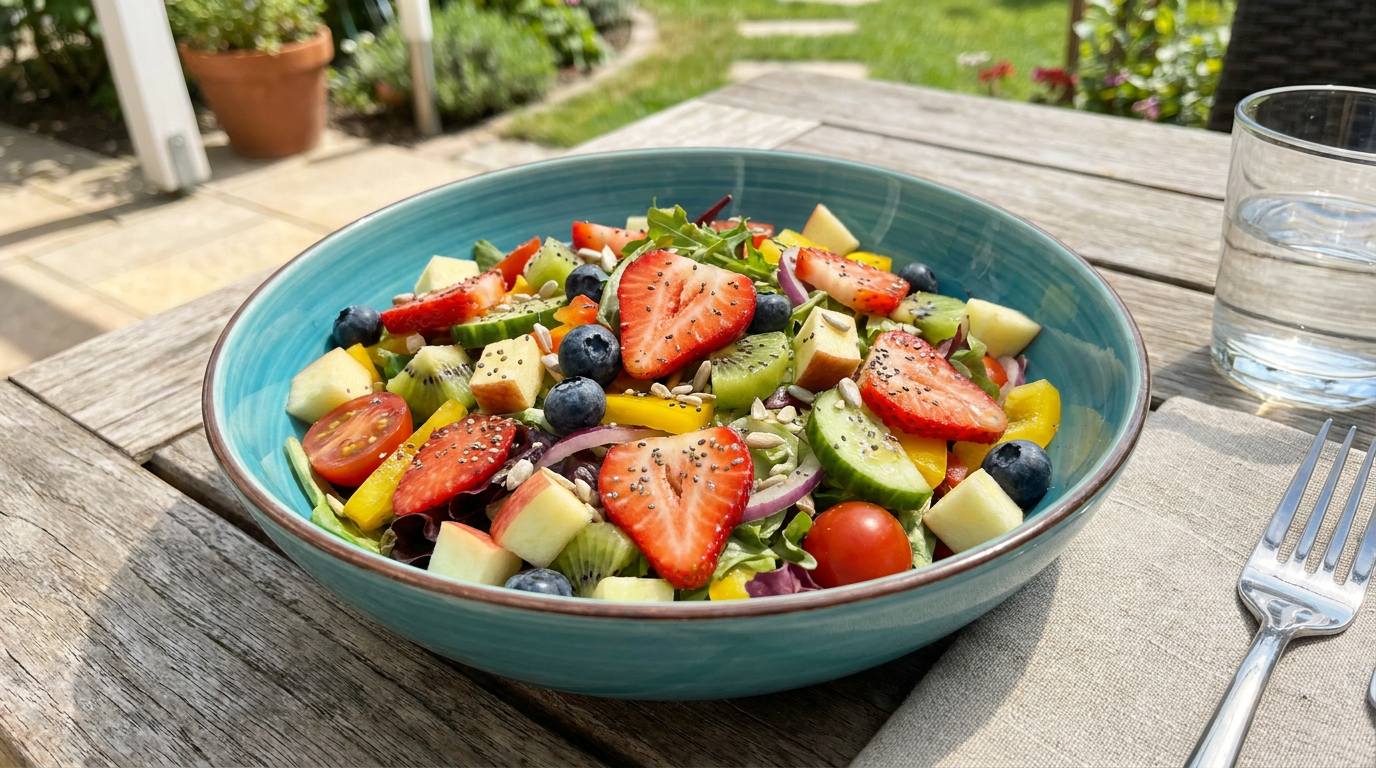
Leafy vegetables, cucumbers, tomatoes and other produce that is often eaten raw need extra care. If they are not washed properly or have been exposed to contaminated water, they may carry disease-causing microorganisms. Choosing fresh produce from clean and reliable sources lowers the risk.
How Can You Reduce The Risk?
Simple food safety habits can make a big difference during the monsoon.
- Wash fruits and vegetables thoroughly under clean running water before eating them
- Peel fruits whenever possible, especially if they are eaten raw
- Avoid pre-cut fruits sold by roadside vendors, as they may have been exposed to dust, flies and contaminated water
- Keep raw and cooked foods separate to prevent cross-contamination
- Wash hands with soap before preparing or eating food
- Store fresh produce properly and consume it before it spoils
If you are unsure about the cleanliness of raw vegetables, lightly steaming or cooking them can help destroy many harmful germs.
Who Is More Vulnerable?
Young children, older adults, pregnant women and people with weak immune systems have a higher risk of developing severe diarrhoea from contaminated food. Extra caution is important for these groups during the monsoon.
Parents should ensure that children eat fruits that have been washed well and peeled at home. Elderly people and those recovering from illness may benefit from eating more cooked vegetables instead of raw salads during this season.
What Should You Do If Diarrhoea Develops?
Most cases of diarrhoea improve within a few days with proper care. Drinking plenty of clean fluids and oral rehydration solution (ORS) helps prevent dehydration. Light, easily digestible foods such as rice, bananas and curd may also help during recovery.
However, if diarrhoea is severe, lasts for more than two days, contains blood, or is accompanied by a high fever, persistent vomiting or signs of dehydration such as dizziness, extreme thirst or reduced urination, you should seek medical attention.
Eating raw vegetables and fruits during the monsoon does not automatically cause diarrhoea. The real problem is contamination from unsafe water, poor hygiene and improper handling. By choosing fresh produce, washing it thoroughly, peeling fruits when possible and maintaining good food hygiene, you can continue to enjoy the nutritional benefits of fruits and vegetables while reducing the risk of illness.
Disclaimer: This content including advice provides generic information only. It is in no way a substitute for a qualified medical opinion. Always consult a specialist or your own doctor for more information. NDTV does not claim responsibility for this information.