

)
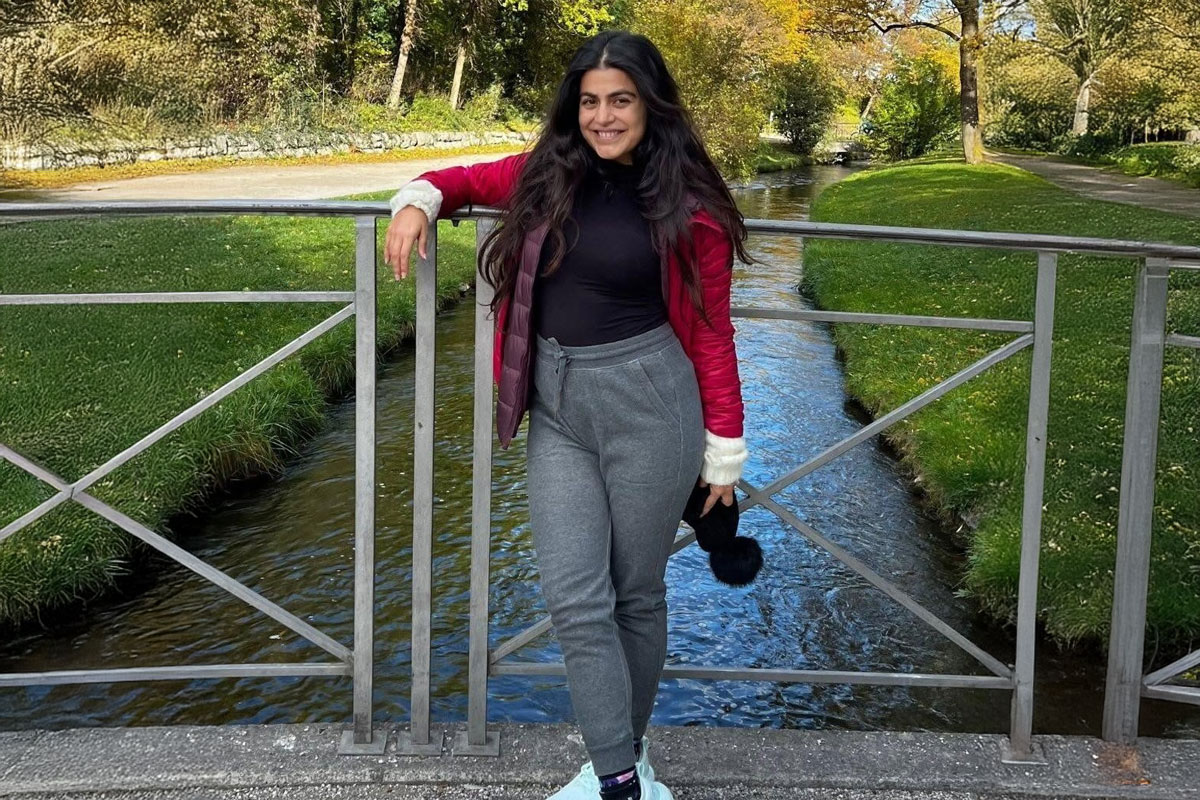
Actor and travel influencer Shenaz Treasury shared on 13th July, 2026, on her Instagram stories that she suffers from food poisoning every monsoon. Her experience of recurrent food poisoning raises an important question: why do people suffer from recurrent cases of food poisoning as soon as the monsoon arrives? There is a direct correlation between food poisoning and the arrival of the monsoon season, the ideal environmental conditions such as high humidity, contaminted water or food spoilage can also be blamed. But where stays may also be contributing to a higher chance of suffering from food poisoning. She currently stays in Mumbai, Maharashtra, which has high humidity during the monsoon season, which creates a higher chance of possible bacteria, viruses, and parasites contaminating food and water sources.
Research published in the Clinical Infection in Practice suggests that people experience repeated gastrointestinal infections and food poisoning during the monsoon. Understanding why this happens and how you can reduce your risk of experiencing it is necessary for your internal well-being during monsoon season.
Why Does Food Poisoning Increase During Monsoon?
Food poisoning cases increase during the monsoon as the warm and humid conditions make germs multiply easily. Another source of repeated food poisoning could be related to contaminated food and water. The main causes behind this are heavy rainfall, flooding, waterlogging, and sewage overflow, which can increase the population of pathogens that cause food poisoning.
NDTV spoke to Dr Rishikesh Malokar, Gastroenterologist, Zynova Shalby Hospital, Mumbai, who explains, "There is an increase in cases of food poisoning during the monsoon season because the situation of high humidity, warm temperatures, and water contamination altogether leads to a condition that enables bacteria, viruses, and parasites to thrive well."
He pinpoints, "'The main culprits of contamination are food and water, but the risk can be compounded by improper storage of food, consuming street food that is prepared under poor conditions of hygiene, and eating raw or undercooked foods."
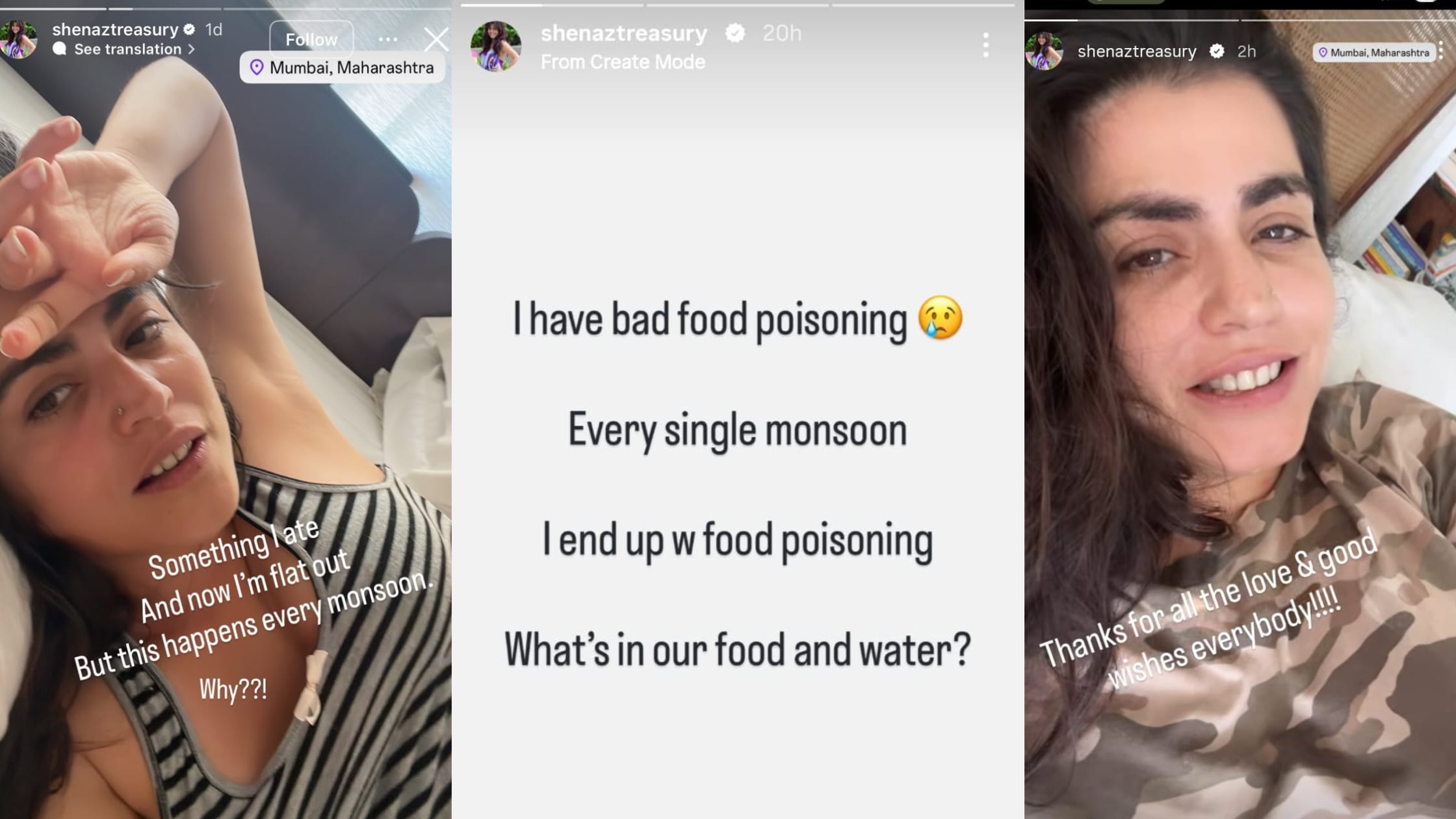
Shenaz Treasury Instagram Stories
Photo Credit: Instagram/@shenaztreasury
1. Increased Risk Of Water Contamination
Drinking water is sourced from the ground, boreholes, or rainwater harvesting plants. If these get contaminated due to poor maintenance, especially if water storage containers are not cleaned regularly, the risk of food poisoning increases. You may be unknowingly drinking contaminated water full of disease-causing pathogens. This is why taking special precautions and storing drinking water in clean vessels is necessary.
2. Is Contaminated Water One Of The Biggest Reasons?
Research published in the Experimental and Clinical Toxicology highlights that contaminated water can definitely cause food poisoning and gastric issues. When the cause of food poisoning is waterborne, then the actual trigger is contaminated drinking water, ice cubes, juices, or food that has been washed in unsafe water.
3. Drinking Water May Carry Harmful Microorganisms
Contaminated water can introduce harmful microorganisms such as E. coli, Salmonella, Shigella, and Vibrio species, increasing chances of food poisoning. These pathogens enter the digestive system through contaminated water and cause internal chaos, resulting in symptoms such as nausea, vomiting, diarrhoea, abdominal cramps, and fever. Dr Rishikesh Malokar warns, "It is best not to ignore these symptoms at all, especially if they are very severe or continue past 24 to 48 hours."
4. Ice, Juices And Unfiltered Water Can Be Risky
Contaminated drinking water used to prepare ice cubes or juices can also become a hidden source of food poisoning cases.
How Contaminated Food Can Trigger Food Poisoning
Food that is stored at room temperature or refrigerated can spoil easily during the monsoon. So, making sure that your food storage methods are suitable for the temperature changes is necessary to keep your food fresh and contaminant-free for longer.
1. Improper Storage During Humid Weather
When food storage is improper during a monsoon, faster bacterial growth happens, which can increase the chances of food spoilage. When food is spoiled, and if it is accidentally consumed, then bacteria can enter your system.
2. Cross-Contamination In Kitchens
Possible cross-contamination can happen in the kitchen as raw foods, such as salads, can come into contact with cooked foods. If these raw foods haven't been prepared by taking the necessary precautions, such as thorough washing, then microscopic pathogens can enter your body.
Another factor is unwashed hands that introduce dirt, pathogens, or any microbes into food that is being prepared for consumption.
3. Street Food Risks During Monsoon
Street food can become a source of food poisoning as it is prepared in an open setting. The open-air environment can make pathogens enter food easily. Preparing street food using reused cooking oil or using unsafe drinking water can further increase the risk of food poisoning.
Who Is Most Vulnerable During Monsoon?
Dr Rishikesh Malokar highlights, "Dehydration is one of the biggest issues, and it can get worse in children, older adults, and people who are immunocompromised." Food poisoning should not be taken lightly, as it can lead to health complications if its symptoms are ignored. Those who should take extra care during the monsoon season are those who are most vulnerable:
- Children, as their bodies can easily dehydrate due to food poisoning symptoms.
- Older adults also need to be careful, as their internal health is slower, and they can easily develop health complications.
- Pregnant women should be careful, as the impact of food poisoning can affect the health of the mother and child.
- People with diabetes should be wary of consuming contaminated food or water during the monsoon season, as their systems are prone to more damage.
- Individuals with weakened immunity can suffer from heightened symptoms of food poisoning.
Ways To Prevent Food Poisoning During Monsoon
Dr Rishikesh Malokar shares ways that food poisoning can be prevented during the monsoon. Here is what he explains:
- During the monsoon period, you should limit yourself to drinking only safe, filtered, or boiled water.
- You should eat freshly cooked food.
- You should make sure to wash fruits and vegetables very well.
- You should keep your hands clean before eating.
When Should You See A Doctor?
Dr Rishikesh Malokar warns, " Although it is possible to be afflicted by a stomach infection sometimes even despite the precautions, recurrent episodes can be a sign of an underlying problem, and in such cases, they should be taken care of by a doctor." Here is when you should seek medical help for a case of food poisoning:
- Persistent diarrhoea
- Blood in stool
- High fever
- Severe dehydration
- Vomiting lasting more than 24 hours
As Dr Rishikesh Malokar says, "Some basic preventive measures can play a big part in curtailing the number of people getting illnesses during this risk of foodborne disease." But paying attention to the possible sources of it can minimise your risk.
Also Read: Gastroenteritis vs Food Poisoning: How To Spot The Differences Of Common Monsoon Gut Issues
Disclaimer: This content including advice provides generic information only. It is in no way a substitute for a qualified medical opinion. Always consult a specialist or your own doctor for more information. NDTV does not claim responsibility for this information.