

)
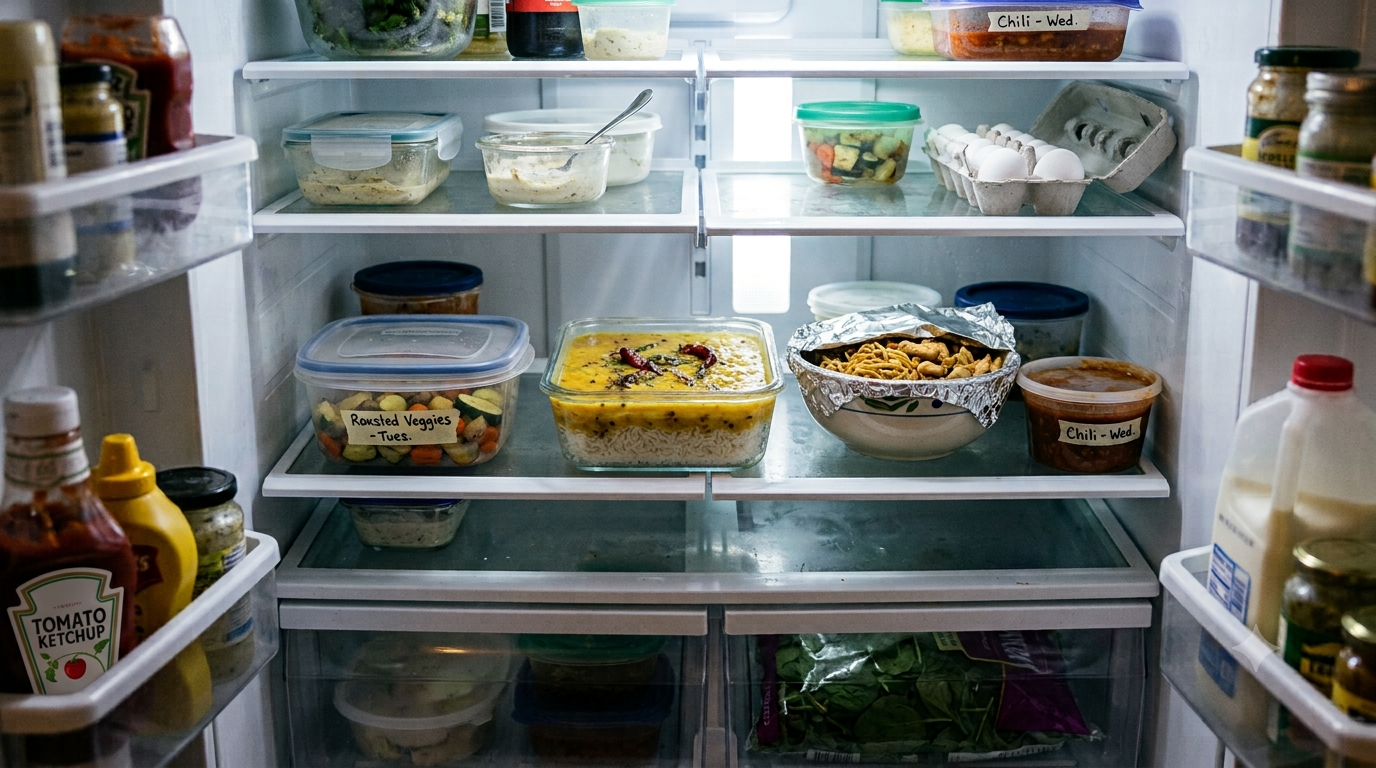
That extra bowl of curry or leftover rice sitting in your refrigerator may seem harmless, but if it has not been stored or reheated correctly, it could become a source of food-borne illness. Many people believe that refrigeration keeps cooked food safe indefinitely. In reality, refrigeration only slows bacterial growth, it does not stop it completely. If leftovers are left at room temperature for too long before being refrigerated or are stored beyond their safe shelf life, they can harbour harmful bacteria capable of causing serious health problems. According to the World Health Organisation (WHO), unsafe food causes more than 600 million cases of food-borne illness every year worldwide. While freshly cooked meals are generally safe, improperly handled leftovers are among the most common causes of food poisoning at home. Dr. Mahendra Singh Rajput, Senior Consultant, Department of Digestive Diseases, Gastroenterology and Hepatology, Amrita Hospital, Faridabad, says many cases of food poisoning occur because people underestimate how quickly bacteria can multiply in cooked food. "Food poisoning is often not related to freshly cooked food but to leftovers that have been kept at room temperature for too long or stored beyond their safe shelf life. Refrigeration slows bacterial growth but does not eliminate it. Some bacteria, such as Clostridium perfringens, Salmonella, and certain strains of E. coli, can survive or multiply if food is not cooled, stored, or reheated properly. Their toxins can make people sick even when the food looks and smells perfectly normal." Here are seven health problems that unsafe leftovers can cause.
1. Food Poisoning
Food poisoning is the most common consequence of eating contaminated leftovers. Symptoms can appear within hours or days, depending on the bacteria involved. Common symptoms include:
- Nausea
- Vomiting
- Stomach cramps
- Fever
- Loose stools
In most healthy adults, symptoms improve within a few days, but severe infections may require medical treatment.
2. Acute Gastroenteritis
Improperly stored food can inflame the stomach and intestines, leading to acute gastroenteritis. People may experience:
- Persistent diarrhoea
- Vomiting
- Abdominal pain
- Fever
- Weakness
Severe diarrhoea can quickly lead to dehydration, especially in children and older adults.
3. Severe Abdominal Cramps
Some bacteria release toxins that irritate the digestive tract and trigger intense abdominal pain. Dr. Rajput explains that toxins produced by certain bacteria may remain active even after reheating, making the food unsafe despite being served hot. If severe stomach pain develops after eating leftovers, medical evaluation may be necessary.
Also read: Study Links Ultra-Processed Foods To Cognitive Decline And Dementia Risk
4. Dehydration
Repeated vomiting and diarrhoea can rapidly deplete the body's fluids. Signs of dehydration include:
- Excessive thirst
- Dry mouth
- Reduced urination
- Dizziness
- Fatigue
Young children, elderly individuals, and people with chronic illnesses are particularly vulnerable.
5. Electrolyte Imbalance
Along with water, the body also loses essential minerals such as sodium and potassium during prolonged vomiting or diarrhoea. Electrolyte imbalance may cause:
- Muscle weakness
- Fatigue
- Confusion
- Irregular heartbeat in severe cases
Some patients may require intravenous fluids to restore normal electrolyte levels.
6. Serious Bacterial Infections
While many food-borne illnesses remain mild, certain bacterial infections can become severe. People with weakened immunity, diabetes, chronic liver disease, cancer, pregnancy, or advanced age are at greater risk of developing complications that may require hospitalisation. "The risk of complications is much higher in vulnerable individuals. Food safety should never be taken lightly in these groups," says Dr. Rajput.
7. Worsening Of Existing Medical Conditions
Unsafe food can place additional stress on the body, making recovery more difficult for people already living with chronic diseases. Food-borne infections may worsen conditions such as:
- Diabetes
- Chronic liver disease
- Kidney disease
- Weakened immune disorders
These individuals often require earlier medical attention if symptoms develop.
How To Store Leftovers Safely
Proper food handling is the best defence against food poisoning. Dr. Rajput recommends:
- Refrigerate cooked food within two hours of cooking.
- Store leftovers in clean, covered containers.
- Consume refrigerated leftovers within three to four days.
- Reheat food until it is steaming hot throughout.
- Avoid reheating the same food multiple times.
- Discard food that has been left out for several hours.
Never Trust Taste Or Smell Alone
One of the biggest misconceptions is that spoiled food always smells or tastes bad. "Never judge food safety by its taste, smell, or appearance. Harmful bacteria are often invisible. Proper storage, refrigeration, and reheating remain the safest ways to prevent food-borne illness," Dr. Rajput advises. Leftovers can help reduce food waste and save time, but only when handled safely. Simply placing food in the refrigerator is not enough if it has already spent hours at room temperature or has been stored for too long. Following proper storage guidelines and consuming leftovers within the recommended time frame can significantly reduce the risk of food poisoning and other serious health complications
Disclaimer: This content including advice provides generic information only. It is in no way a substitute for a qualified medical opinion. Always consult a specialist or your own doctor for more information. NDTV does not claim responsibility for this information.