

)
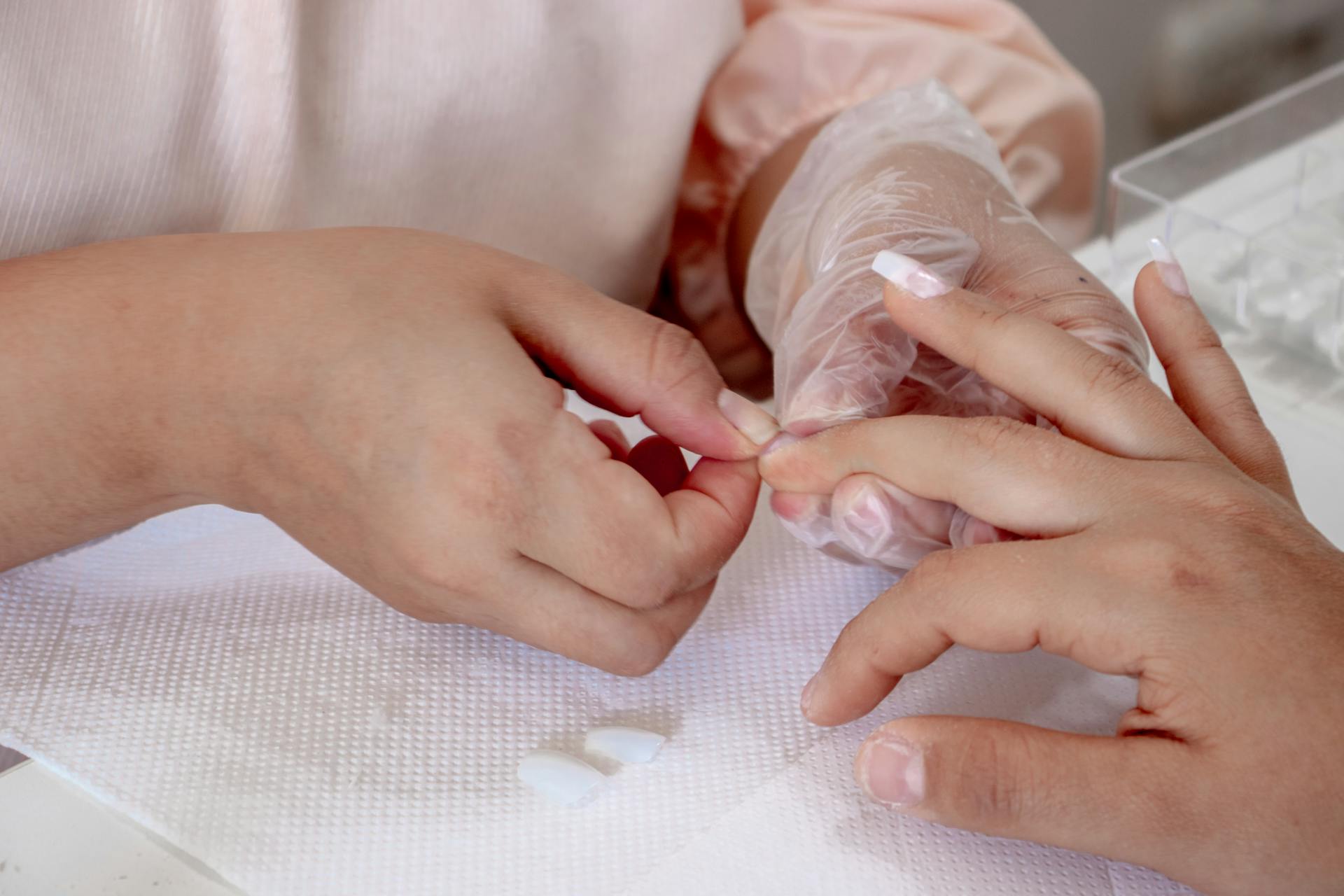
Acrylic nails are a staple of the modern beauty aesthetic, formulated from acrylic powder, liquid monomers, and plastic tips. While their durability makes them a preferred choice for nail enthusiasts, their usage may conceal significant health risks. From potential carcinogenic risks associated with ultraviolet (UV) lamps to rare but severe infections like necrotising fasciitis, the long-term impact on physical health can be grave. According to World Metrics Reports, approximately 20 million people globally may suffer from health complications related to these treatments.
Driven by social media, this beauty routine has become normalised in Indian metropolitan cities, often without adequate awareness of the underlying risks. Not only are the customers who get their nails at risk, but the beauticians who provide the service may be exposed to certain health risks as well, and their risk is even greater as they perform the same service for multiple customers throughout the day.
What Exactly Are Acrylic Nails Made Of?
Acrylic nails are constructed using a plastic base that is shaped and bonded to the natural nail. While adhesives are necessary due to the weight of the acrylic, they frequently damage the top-most layer of the natural nail.
The safety of these enhancements depends on the chemical composition of the ingredients:
- Monomers and Polymers: Liquid monomers and powdered polymers create a smooth finish but can compromise long-term safety if they are not cosmetic grade.
- Methyl Methacrylate (MMA): Though banned in many regions, substandard products containing MMA are often used in unregulated settings, leading to severe allergic reactions and respiratory issues.
- The Indian Beauty Market: Regulatory frameworks mandate clear indications of health risks, yet substandard cosmetics remain widespread in the market.
How Acrylic Nails Can Damage Natural Nails
A review article published in the journal Skin Appendage Disorders highlights that acrylic nails systematically degrade the outermost layer of natural nails. The study notes that serious dermatological conditions, such as allergic contact dermatitis (ACD), are primarily attributed to the (meth)acrylates found in nail glue and acrylic resins.
Initial signs of damage include:
- Thinning of the Nail Plate: Evident when nails become brittle and break easily.
- Loss of Moisture: Stripping the nail of its natural flexibility leaves it exposed to ridges and haphazard breakage.
- UV Risks: Complications from UV lamps used to dry the liquid can include chemical burns and a theoretical increase in skin cancer risk.
Also Read: Prevent Ingrown Nails And Injuries: 7 Hacks To Clip Your Nails Safely
Can Acrylic Nails Increase Infection Risk?
Yes, particularly when the length of the enhancement creates a gap between the artificial and natural nail. Dr Kiran Sethi, MD, a Board-certified Dermatologist from New Delhi, explains, "Your mani-pedi could be hiding something dangerous." She has strongly warned against long-lasting nail systems such as gel and acrylic nails due to toxic curing chemicals and adhesives.
Here is why:
- Trapped Moisture: Lifted acrylics trap moisture, encouraging the growth of fungi like onychomycosis.
- Bacterial Infections: Minor trauma to the area can lead to "green nail syndrome" or, in extreme cases involving poor salon hygiene, life-threatening bacterial infections like necrotising fasciitis.
- Compromised Barriers: Removing the cuticle, which is the natural protective barrier, increases the likelihood of pathogens entering the nail bed.
Are Acrylic Nail Fumes Dangerous?
The strong vapours released during application are more than an olfactory nuisance. They can result in:
- Respiratory Irritation: Chemicals like ethyl methacrylate (EMA) and toluene can irritate the nose, throat, and lungs.
- Sensitisation: Repeated inhalation in enclosed, poorly ventilated salons can lead to asthma or chronic rhinitis.
- Vulnerable Populations: Concerns are significantly higher for pregnant women and patients with pre-existing respiratory conditions.
Also Read: Dark Patches On Skin May Indicate Prediabetes? Tips To Stop Progression
Can The Damage Be Long-Term Or Irreversible?
While the nail plate eventually replaces itself, some damage can be chronic which can be:
- Nail Bed Weakening: Recurrent infections and chemical trauma can lead to onycholysis, where the nail permanently separates from the bed.
- Chemical Sensitisation: Once a person develops an allergy to (meth)acrylates, they may face lifelong sensitivity to medical and dental resins.
Who Should Avoid Acrylic Nails?
Medical guidance suggests that certain individuals should avoid acrylics entirely:
- Eczema or Psoriasis Patients: These conditions increase the risk of severe inflammatory responses.
- Diabetics: Poor wound healing and peripheral neuropathy make even "banal" nail procedures potentially life-threatening.
- Immunocompromised Individuals: Those with weak immunity are at significantly higher risk for chronic fungal and bacterial complications.
Safer Alternatives To Acrylic Nails
For those seeking a safer approach to nail health:
- Press-on Nails: High-quality versions used with temporary tabs are a low-risk occasional alternative.
- Nail Rests: Experts recommend "nail holidays" to allow the natural keratin to recover between treatments.
- Hydration: Frequent moisturising of the skin and nail area maintains flexibility and health.
While occasional use may be low-risk, frequent application increases cumulative damage. In the pursuit of beauty, the long-term health of the skin and nails should always come first.
Disclaimer: This content, including advice, provides generic information only. It is in no way a substitute for a qualified medical opinion. Always consult a specialist or your own doctor for more information. NDTV does not claim responsibility for this information.