

)
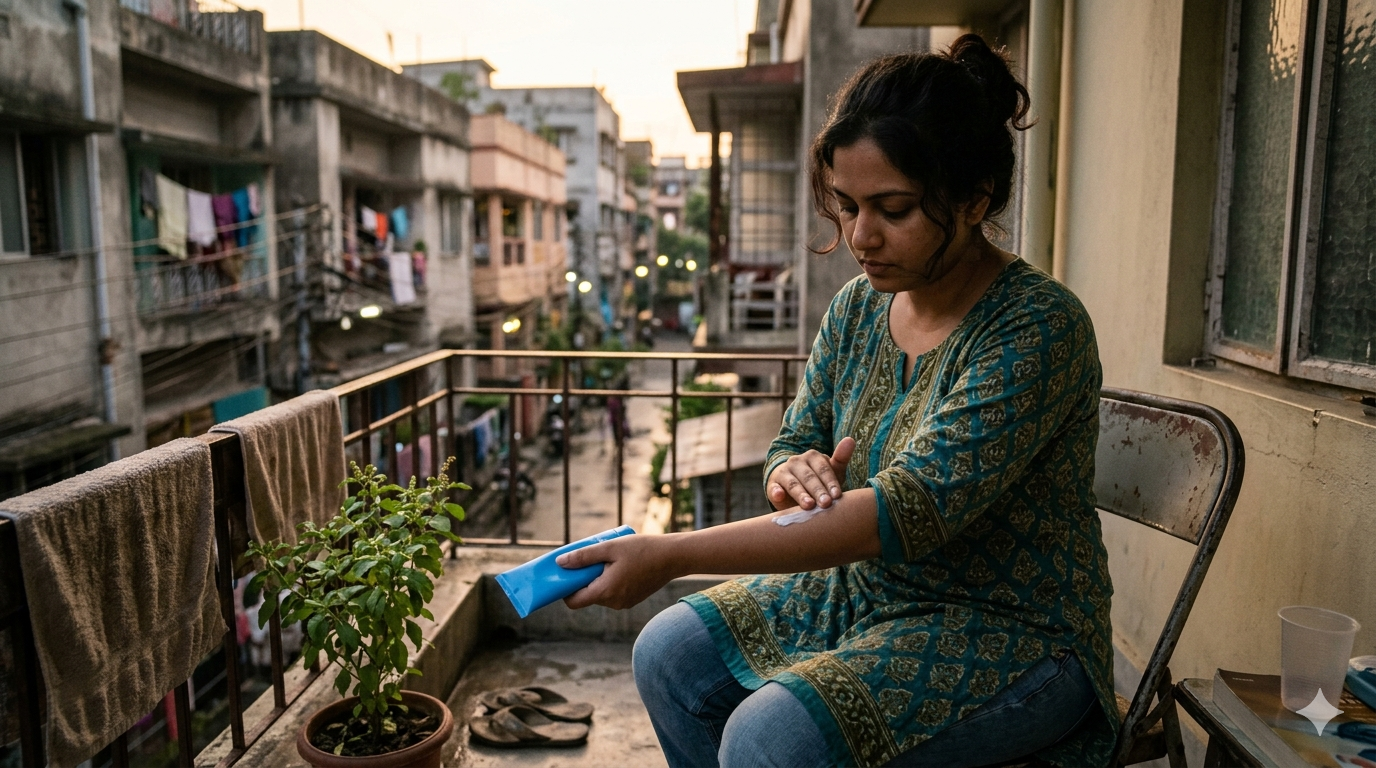
As mosquito-borne diseases like dengue and malaria continue to pose a serious public health challenge in India, the use of mosquito repellent creams has become routine for many households. From daily commutes to evening walks, these products are often seen as essential protection. However, concerns about their safety, especially their impact on skin, persist.
Do these creams cause irritation? Are the chemicals harmful? Or are these fears exaggerated?
Dermatologists say the answer lies in understanding both the science behind repellents and how they are used. Dr. Priyanka Kuri, Consultant - Dermatology, Aster Whitefield Hospital, Bengaluru, says that most modern mosquito repellents are formulated with well-studied active ingredients and are considered safe when used correctly. Yet, like any topical product, they are not entirely free from side effects, particularly when misused.
At a time when awareness about skincare and "chemical exposure" is rising, it is important to separate myths from medical facts. Experts emphasise that the risk of mosquito-borne infections far outweighs the relatively minor and rare skin reactions linked to repellent use.
Here's what dermatologists and global health bodies say about whether mosquito repellent creams are harming your skin, and how to use them safely.
Are mosquito repellent creams safe for the skin?
Dermatologists broadly agree that mosquito repellent creams are safe when used as directed. "Clinically and from a public health perspective, repellent creams are significantly more protective than harmful," Dr. Kuri explains. "The most widely examined measures like DEET, picaridin, and IR3535 are fairly well-studied ingredients, safe in use when applied according to label directions."
Globally recognised health authorities, including the World Health Organization (WHO), recommend topical insect repellents as a key strategy to prevent mosquito-borne diseases.
Also Read: Doctor Explains Why Some People Get Bitten By Mosquitoes More
What ingredients do these creams contain?
Most repellent creams use active ingredients such as:
- DEET (N,N-Diethyl-meta-toluamide)
- Picaridin (also known as icaridin)
- IR3535
These ingredients have undergone extensive safety evaluations and are considered effective and safe for human use when applied properly.
Can they cause skin reactions?
While generally safe, repellent creams are not completely side-effect-free. "'Safe' does not equate to side-effect-free," Dr. Kuri notes. "Some users may experience minor skin reactions such as irritation, redness or rashes if used more frequently or on a continuous basis."
Dr. Sai Lahari Rachumallu, Associate Consultant - Dermatology, Manipal Hospital, Bhubaneshwar, adds: "Most people can use them without experiencing any issues. The symptoms which occur include slight redness and itching especially if you have sensitive skin or eczema." These reactions are usually mild and temporary.
The bigger risk: Mosquito-borne diseases
Doctors emphasise that concerns about skin irritation should be weighed against the risk of infections. "As more cases of mosquito-borne diseases, including dengue and malaria, have been reported," Dr. Kuri highlights. "The risk involved in the absence of protection is considerably higher than, allergic reaction."
India continues to report significant cases of diseases like dengue and malaria, both of which can lead to severe complications if untreated. The National Centre for Vector Borne Diseases Control stresses the importance of personal protection measures, including repellents, to reduce disease transmission.
Is misuse the real problem?
Experts say that incorrect usage, rather than the product itself, is often responsible for skin issues. "More issues are from misuse than from the product itself," Dr. Rachumallu explains. "Using too much product or applying it on skin that is already broken or damaged will result in skin reactions."
Common mistakes include:
- Overapplying the product
- Using it on irritated or broken skin
- Mixing it with other skincare products
- Not washing it off after use
What about herbal or natural repellents?
There is growing interest in "natural" or herbal repellents, but doctors advise caution. "Herbal or natural repellents, seem to be more gentle but are less lasting and can have some hazards," Dr. Kuri says.
While these may appear safer, they often:
- Provide shorter protection
- Require frequent reapplication
- May still cause allergic reactions
How to use mosquito repellent safely
Dermatologists recommend simple precautions to minimise risks:
- Apply only the required amount
- Avoid damaged or irritated skin
- Do not apply directly to the face, use hands first
- Keep away from eyes and mouth
- Wash off after returning indoors
"The practice of washing your face after returning home benefits adults," Dr. Rachumallu advises. "The product should be removed from your skin after you complete your required time of use." For children, milder formulations and smaller quantities are recommended.
Also Read: Did You Know Genetically Altered Mosquitoes Can Help Fight Malaria? Here's How
When should you stop using it?
If you notice:
- Persistent itching
- Rash or swelling
- Burning sensation
If any of these things happen, stop using the product and consult a doctor. "If your skin starts reacting stop using it and get it checked," Dr. Rachumallu emphasises.
Mosquito repellent creams are not harming your skin in any significant way when used correctly. In fact, they are a crucial line of defence against serious infections like dengue and malaria. While mild skin irritation can occur in some individuals, these risks are minimal compared to the dangers of mosquito-borne diseases. The key lies in proper usage, applying the right amount, avoiding sensitive areas, and washing it off after use. As dermatologists point out, the goal is not to avoid repellents, but to use them wisely and safely.
Disclaimer: This content, including advice, provides generic information only. It is in no way a substitute for a qualified medical opinion. Always consult a specialist or your own doctor for more information. NDTV does not claim responsibility for this information.