

)
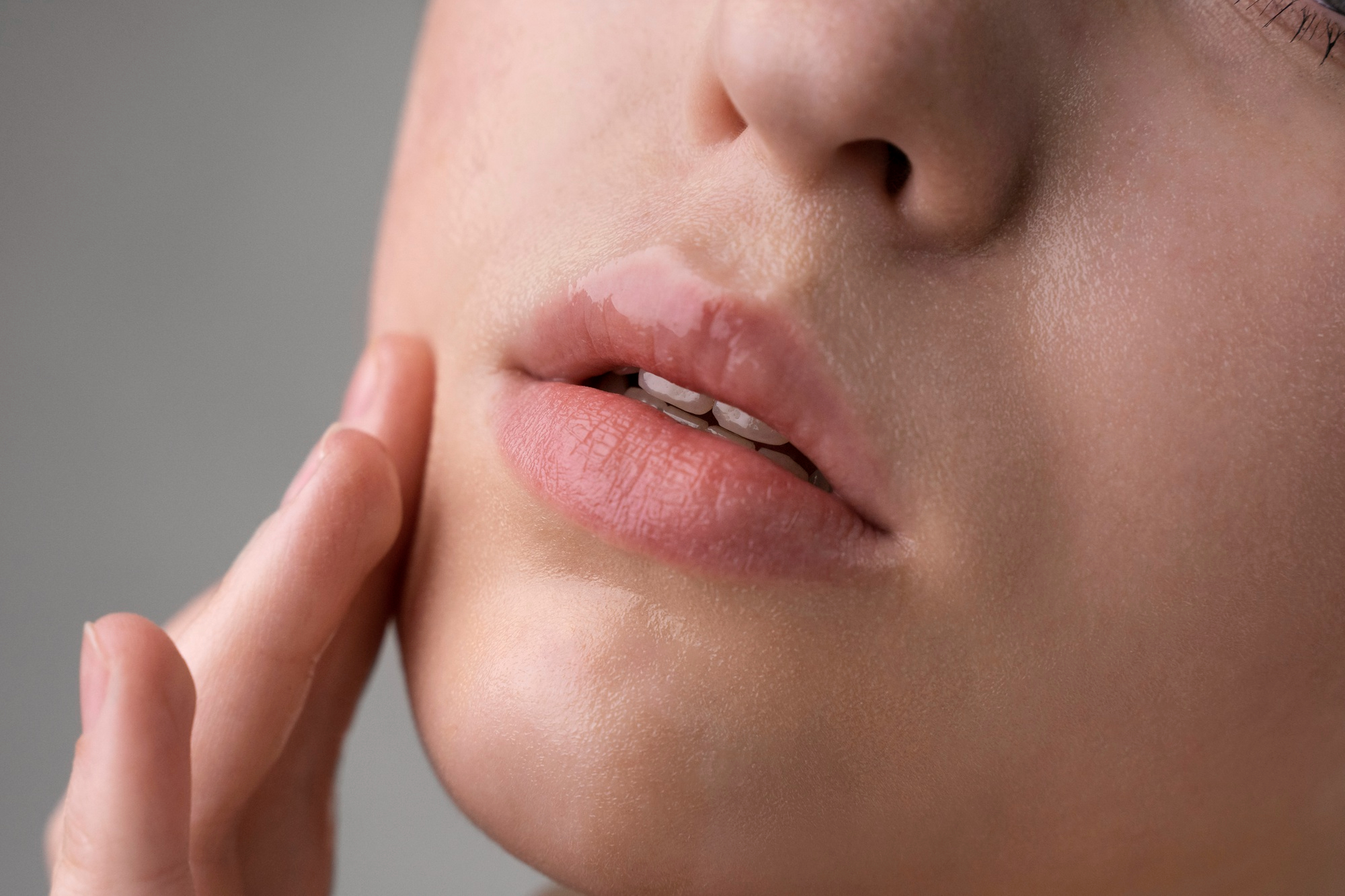
Chapped lips are a familiar winter problem for many, as the winter chill brings dryness and constant exposure to cold air with it. When the lips become dry, cracked, whitish or slightly discoloured, this becomes more than just a skincare issue. This common skin condition causes pain, discomfort, and can even interfere with daily activities like speaking and eating. The problem of chapped lips usually occurs due to constant cold wind exposure, low humidity and indoor heating. The lips become stripped of moisture, leaving them vulnerable to bleeding and infection from germs. While chemical lip balms promise quick fixes, certain natural remedies that are rooted in tradition and science can offer long-lasting relief.
8 Natural Home Remedies For Chapped Lips In Winters
1. Apply Honey
Chapped lips are a skin issue that can be remedied through constant use of natural moisturiser. Honey is a known humectant, which means it can restore the lips' desired feel, which depletes due to exposure to dry air. As it is proven in Indian dermatology studies, honey-based herbal lip balms can significantly reduce dryness, irritation, and pain associated with winter lip cracking. Although people can use edible honey directly on their lips for cracking, the feel is sticky, and it can drip, so it is advised to use honey-based lip balms as the core ingredient in combination with a base and other components that can nourish the sensitive skin of the lips. Here are some practical ways to utilise raw honey in your kitchen for chapped lips:
- Take a small quantity, about 1 small teaspoon, in a small bowl and combine it with beeswax. Beeswax is a known deep skin moisturiser that can restore the pH of the lip's skin.
- After this, you need a carrier oil like coconut, almond or olive oil to dilute the mixture.
- This is optional; you can combine an essential oil for fragrance, as a fragrant smell can also boost mood.
- The mixture needs to be heated over a small controlled temperature to get a great result.
- Store the mixture after stirring in a small tin; keep the temperature of the environment in mind before trying to make it yourself.
2. Coconut Oil Massage
Coconut oil has powerful antibacterial, moisturising, anti-inflammatory, and mild antimicrobial properties. The form of this oil that is most beneficial for treating chapped lips is cold-pressed. As it preserves the original health-boosting capabilities present in the coconut oil, which can get lost during processing. Ayurveda and scientific research suggest that for effectively hydrated lips, people should massage them with a small quantity of cold-pressed coconut oil. There are some practical ways to massage the lips with coconut oil, that involve:
- Wash your hands before doing this to maintain hygiene.
- Take about one small teaspoon of coconut oil onto the palm, which can melt it instantly.
- Gently massage the lip area in a circular motion to make sure the oil penetrates the surface of the lips.
- If excess oil drips while doing this, keep a small cloth to wipe it off or just massage it into the skin to avoid wastage.
Note: Only opt for edible coconut oil, as most of what is applied on the lips gets ingested.
Read More: Dietary Vitamin C Improves Skin Health Than Topical Applications, Finds Study
3. Ghee (Clarified Butter)
A traditional Indian remedy for skin dryness that can help restore the balance that gets upset due to humidity and constant dry air exposure. There are pharmacy colleges in Maharashtra that show that herbal lip balms containing ghee significantly improve hydration and protect against dryness. While using ghee for topical application sounds easy and straightforward, the recent adulteration reports should make people heed caution before using any type of ghee for their lips. When it comes to ghee-infused lip balms, a controlled dose of ghee is present in the desired amount, which is what chapped lips need. Ayurveda also recommends pure cow's ghee for soothing cracked lips and restoring softness. Here is how you can use ghee for chapped lips:
- Take a small teaspoon of ghee, approximately as per the size of your lips, in a small container.
- Heat it and make it lukewarm, not too hot, as it can burn the lips.
- Gently apply it to the lip's surface area and scrape off the excess.
Note: Dermatologically tested ghee is available on the market to formulate your own lip balms. Or using food-grade ones can also work, as they are mostly ingested.
4. Turmeric Paste
Turmeric has curcumin, which acts as a potent anti-inflammatory, which can heal lip cracks. This is a slightly tricky natural hack, as turmeric paste tends to leave a yellow hue upon skin contact, so handling it with gloves is advisable. An easy way to to make your own turmeric paste involves:
- Grind raw whole turmeric until it is really fine, or use turmeric powder.
- Combine it with beeswax and a carrier oil like almond or olive oil to create a paste.
- Apply a thin layer of it on chapped lips; be careful of overdoing it, as excessive usage can lead to yellow lips and extreme dryness when the formulation is unbalanced.
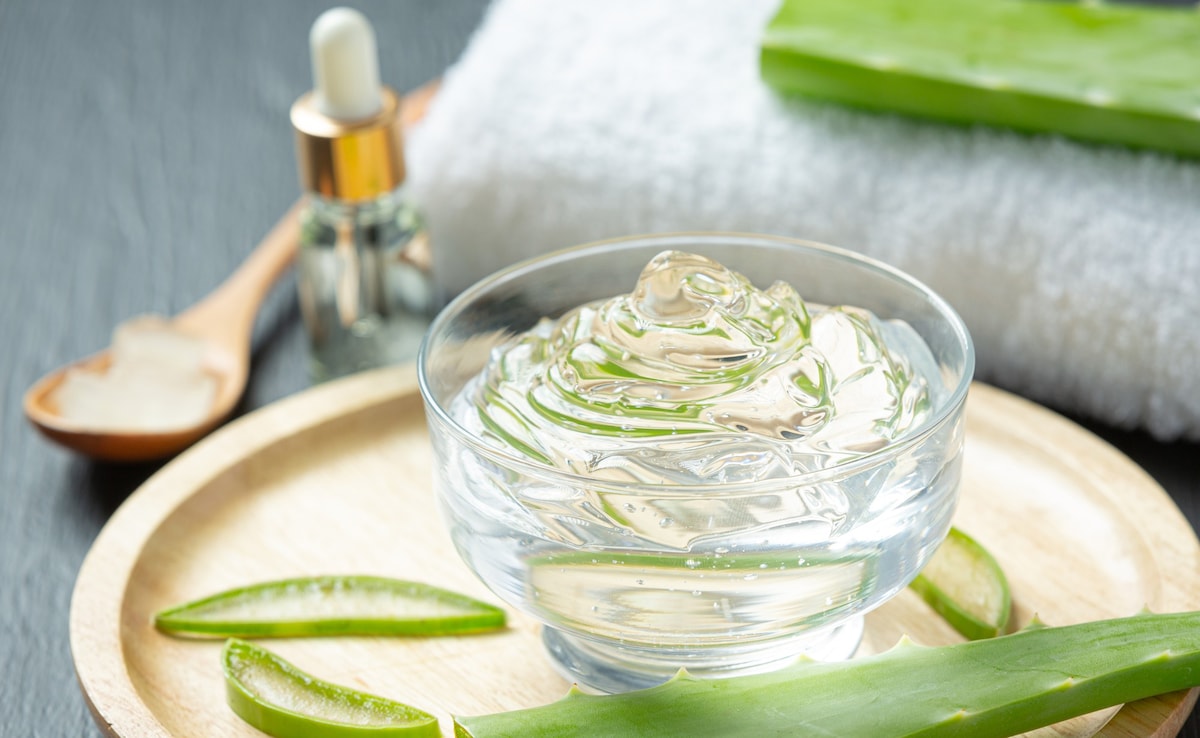
Aloe vera gel
Photo Credit: Freepik
5. Aloe Vera Gel
Aloe vera gel is extracted from the aloe vera plant, which has cooling and moisturising properties. A versatile skincare ingredient that can be used for multiple skin issues; while it is safe for use on chapped lips, the form of it matters. The direct usage of untested aloe vera gel from the plant can lead to possible issues, so it is advisable to go for dermatologically tested varieties with the least amount of additives or preservatives for a safe approach. Here is how you can use aloe vera gel for chapped lips:
- Make sure your hands are clean, and take a small pea-sized amount of aloe vera gel.
- Apply it to the complete lip area, making sure to leave it for absorption after application.
- Read the label of the aloe vera to make sure what you are using is safe for use on the lips.
6. Hydrating With Warm Drinks
Not drinking enough water during winter is often ignored, and this can lead to chapped lips. Drinking enough water and regular intake of winter hydrating drinks like herbal teas can ensure your lips don't get dry repeatedly. These are part of Indian winter wellness practice is rooted in science, as maintaining hydration manifests on the surface of the skin, and here is how you can ensure your hydration levels are balanced:
- Drinking a hydrating glass of plain water first thing in the morning can lead to supplementing hydration loss that occurs during sleep.
- Consuming hydrating wellness drinks like chamomile tea or cherry blossom tea at night can deepen the sleep quality. And it can also supply the body with enough hydration for the period during which the body is deprived of water.
Read More: The Water Check: 5 Signs You May Be Severely Dehydrated During Winters
7. Avoiding Spicy Or Salty Foods
Chapped lips can be further irritated if you consume spicy or extremely salty foods. This happens due to the capsaicin content present in spicy foods that irritates the sensitive skin of the lips. The high iodine quotient in salty foods also has the same irritation factor, which is why if you have chapped lips, you need to drink enough water before and after consuming spicy and salty foods. And here are some additional ways to prevent your chapped lips from getting worse:
- Make sure to wash your lips if you have any leftover spicy residue after eating meals.
- If you are indulging in salty foods, make sure you apply a moisturiser before eating and wash any residual salt if present on your lips.
8. Using Cotton Scarves Or Masks Outdoors
The dry winter chill leads to an alteration of the lips' moisture and hydrating factor. To remedy this constant exposure to dryness, using cotton scarves or a mask can protect your lips. This way, you can physically protect the skin barrier of your lips and avoid lip cracking. Here are some specific ways to use cotton scarves or masks outdoors to protect your lips:
- Thin cotton scarves tied on the lower part of your face can protect it from cold exposure. Scientific studies also suggest that covering the lower part of your face can protect it from extreme cold exposure and avoid head colds.
- Wearing a mask outdoors can lead to covering the lips, which can avoid chapping, but maintaining proper mask hygiene is essential to avoid breakouts on the skin.
- Using a mask that doesn't touch the surface of your lips while wearing it can help avoid constant friction damage.
Preventive Lifestyle Tips For Chapped Lips
Ayurveda and modern research have proved that using Indian home remedies like honey, coconut oil, and ghee can be beneficial for natural lip care treatments. There are also a number of preventive lifestyle tips that can offer enhanced protection from chapped lips, such as:
- Eating a balanced diet that is rich in omega-3, 6 and 9 fatty acids can nourish the body from the inside.
- Avoid licking lips, as it worsens dryness and leads to further discolouration of the lips.
- Using a humidifier indoors can maintain the ideal humidity level and environment to make sure your lips remain supple.
While natural hacks for chapped lips are safe, effective, and culturally rooted in tradition and validated by science, the key is to practise consistency for best results.
Disclaimer: This content, including advice, provides generic information only. It is in no way a substitute for a qualified medical opinion. Always consult a specialist or your own doctor for more information. NDTV does not claim responsibility for this information.