

)
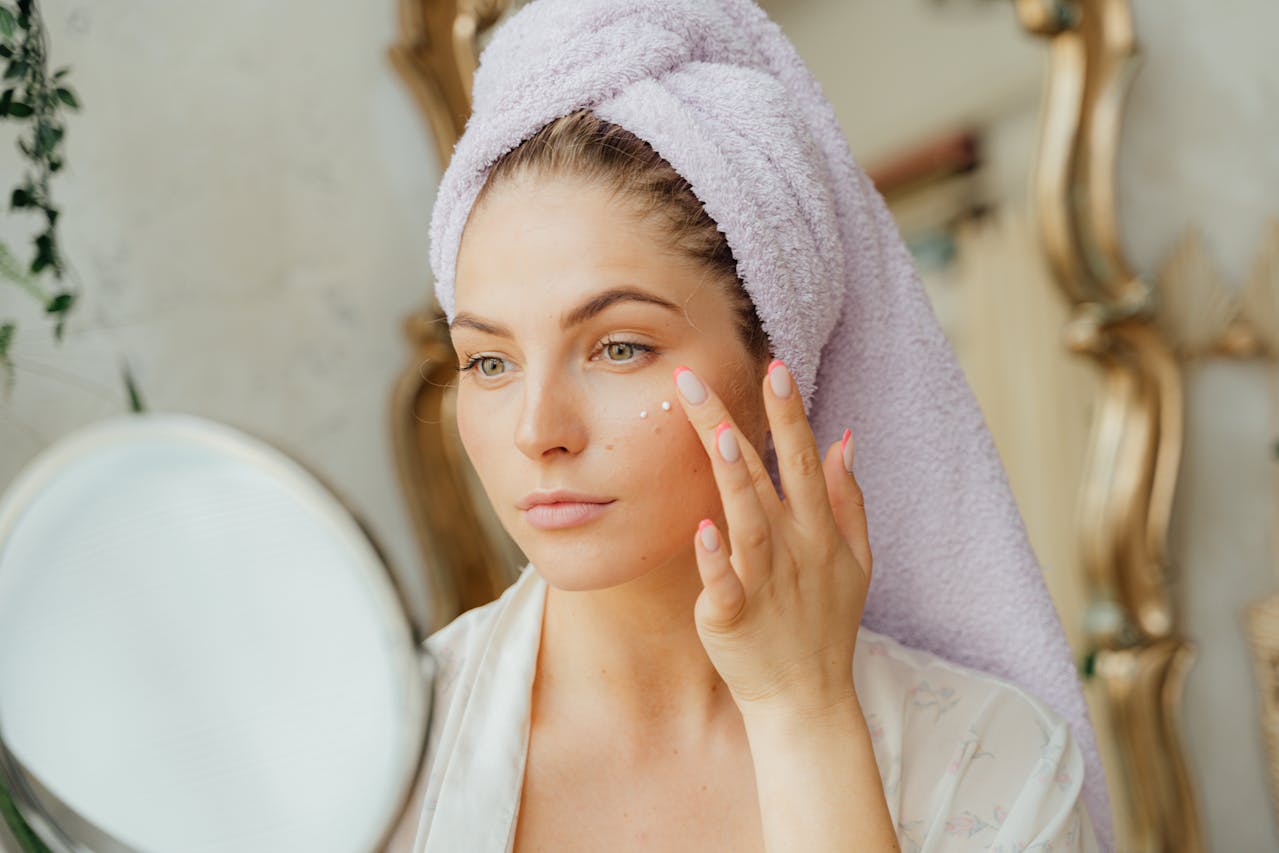
Your body goes through changes during seasonal changes, and keeping it healthy during these times is extremely important. Likewise, it is also important to maintain skin health. During seasonal changes, your skin is impacted due to heat, humidity and other factors. This eventually affects your skin's natural barrier. When your barrier is damaged, your skin is unable to retain moisture and protect it against irritants. It can lead to dryness, tightness, inflammation, redness, itching, increased acne breakouts, and stinging sensations when applying skincare products.
Therefore, it is important that you maintain your skin barrier during seasonal change. Keeping your skin barrier strong can help to avert skin problems and keep the skin healthy through the summer season. Here are some tips to maintain a strong skin barrier and keep skin healthy during seasonal changes.
Tips For Strong Skin Barrier And Healthy Skin
1. Hydrate Internally and Externally
Start by drinking at least 8-10 glasses of water daily, as internal hydration helps to fight the lingering dehydration from winter's and prepares skin for summer. Pair this with a moisturiser containing hyaluronic acid or glycerin, which you can apply in the morning and night. Shift to lighter gels as temperatures rise to prevent greasiness. This can help replenish the skin's natural moisture reserves, strengthen the barrier that prevents transepidermal water loss. Consistent hydration can help to keep the skin plump.
2. Adjust Moisturiser
Tailor your moisturiser to the climate. Use non-comedogenic, water-based ones with niacinamide during summer. Ceramides act like the skin's own "mortar," rebuilding damaged barriers that are impacted by sudden heatwaves. Apply the moisturiser within three minutes after cleansing to trap dampness on the surface, maximising absorption and efficacy. Gradually transitioning products over two weeks allows your skin to adapt without shock.
3. Use Gentle Cleansing Methods
Swap hot showers and harsh foaming cleansers for lukewarm water and pH-balanced and fragrance-free options like micellar water or creamy gels that preserve natural oils. Over-cleansing tends to strip sebum, weakening the barrier and causing sensitivity. Cleanse twice to maintain the skin's pH and microbiome. Gentle methods ensure the barrier remains intact.
4. Limit Exfoliation
Exfoliate sparingly, which is not more than 1-2 times weekly, using mild chemical exfoliants like lactic acid or PHAs instead of abrasive scrubs that micro-tear the surface. If you overexfoliate, the oils produced during summer can lead to pore-clogging. Always follow with soothing actives like aloe or centella to calm any redness, ensuring a smoother texture.
5. Daily Sunscreen
Reapply broad-spectrum SPF 30+ (mineral-based with zinc oxide for sensitive skin) every two hours if you're outdoors. This shields collagen and elastin from degradation, preserving the barrier against photoageing and hyperpigmentation that are common during transitions. Hybrid moisturiser-sunscreens can also simplify routines, offering hydration plus protection without white casts.
6. Seasonal Diet
Dietary support can help build barrier strength internally against oxidative stress. In summers, eat vitamin C-rich amla, guavas, and watermelon to boost collagen and combat UV. Cut sugar to avoid glycation, and limit dairy during acne-prone monsoons. Drink turmeric-ginger tea for its anti-inflammatory properties.
7. Maintain Consistent Routine
Follow a consistent skincare routine: cleanse, serum, moisturise, protect. Tweak this routine depending on the season. Along with your skincare, follow a healthy routine. Get omega-3s from walnuts or flaxseeds and 7-9 hours of sleep. This can help boost ceramide levels internally.
Disclaimer: This content including advice provides generic information only. It is in no way a substitute for a qualified medical opinion. Always consult a specialist or your own doctor for more information. NDTV does not claim responsibility for this information.