

)
As the mercury drops across the country, the simple act of taking a bath transforms from a routine chore into a daunting challenge. While the temptation to skip bathing or linger under a steaming hot shower is high, studies warn that incorrect bathing habits during winter can lead to more than just a shiver. From skin barrier damage to sudden strain on the heart, the way you bathe in the cold matters significantly for your overall well-being. In order to get the right temperature, timing, and frequency sorted, there are certain winter bathing hacks that you need to know. These hacks are rooted in science to help ease the load of feeling extremely chilly during winter bathing.
5 Winter Bathing Hacks To Safely Bathe In Winters
1. Getting The Temperature Right
The most common mistake people make during winter is using scalding hot water. While it feels therapeutic in the moment, excessively hot water strips the skin of its natural oils (sebum), leading to winter itch or xerosis. This is where you need to be careful; here is what the science has to say:
- Studies suggest that the ideal temperature for a winter bath should be lukewarm, specifically between 37 degrees celsius and 40 degrees celsius.
- This range is close to the human body's internal temperature, providing comfort without causing thermal shock.
- If the water causes your skin to turn red or produces excessive steam that makes breathing difficult, it is likely too hot.
2. Optimal Timing And Duration
In winter, more is not necessarily better, as prolonged exposure to water, even if it is lukewarm, can dehydrate the skin. Here is what the studies say:
- Studies recommend limiting winter showers to 5 to 10 minutes. Extended sessions weaken the skin's lipid barrier, making it harder for the body to retain moisture once you step out into the dry air.
- While many prefer a morning bath to kickstart the day, a late afternoon or early evening bath (around 4:00 PM to 6:00 PM) is often recommended during peak winters.
This allows the body to maintain its core temperature before the nighttime chill sets in. If you must bathe at night, ensure your hair is completely dry before hitting the pillow to avoid sinus issues or fungal infections.
Read More: Cold Feet In Winter Despite Wearing Socks: 8 Possible Causes
3. Regulate The Frequency
The age-old debate of daily bathing takes a turn in winter. Studies suggest that for those with extremely dry skin or conditions like eczema, skipping a day or opting for a "sponge bath" on alternate days is perfectly acceptable.
- Frequent scrubbing during winter can be counterproductive.
- However, for those living in humid or polluted urban areas, a daily quick rinse is still advised to remove environmental toxins, provided it is followed by an immediate moisturising routine.
- A 2024 study published in the International Journal of Pharmaceutical and Clinical Research focused on elderly patients in Western India.
- It found that xerosis (extreme skin dryness) was the most common physiological change, affecting 89% of the study group.
This means that age-related skin dryness increases during winter. So be careful of frequent bathing, as it can strip the natural oils from the skin barrier.
4. The 'Three-Minute Rule' For Post-Bath Care
The secret to healthy winter skin isn't just the bath itself, but what happens immediately after. The "Three-Minute Rule" is a gold standard in dermatology. And practicing it is simple, these ways can help:
- Apply a thick, oil-based moisturiser or body butter within three minutes of patting your skin dry.
- When the skin is slightly damp, it is most receptive to hydration.
- Look for ingredients like ceramides, hyaluronic acid, or glycerin, which act as humectants that pull water into the outermost layer of the skin and lock in moisture.
For those preferring natural alternatives, dermatologically tested virgin coconut oil or olive oil applied to damp skin provides an excellent protective seal.
Read More: Dermatologist Explains 4 Natural Remedies For Winter Hair Fall And Dandruff
5. Avoiding Thermal Shock
One often overlooked risk of winter bathing is the sudden transition from a warm bed to a cold bathroom and then into hot water. This can cause a sudden spike in blood pressure, which is particularly risky for senior citizens or those with underlying heart conditions. Here is why:
- In India, where cardiovascular disease is a leading health concern, the "thermal shock" of winter bathing is a critical safety issue.
- According to data, cold weather already increases blood pressure in Indians by an average of 5 mmHg due to the narrowing of blood vessels.
- While viral myths often exaggerate bathroom strokes, a study in the Journal of Stroke And Cerebrovascular Diseases confirmed that out of nearly 2,000 stroke patients, a small but significant number experienced the event specifically while bathing, often due to the sudden surge in heart rate and blood pressure when moving between extreme temperatures.
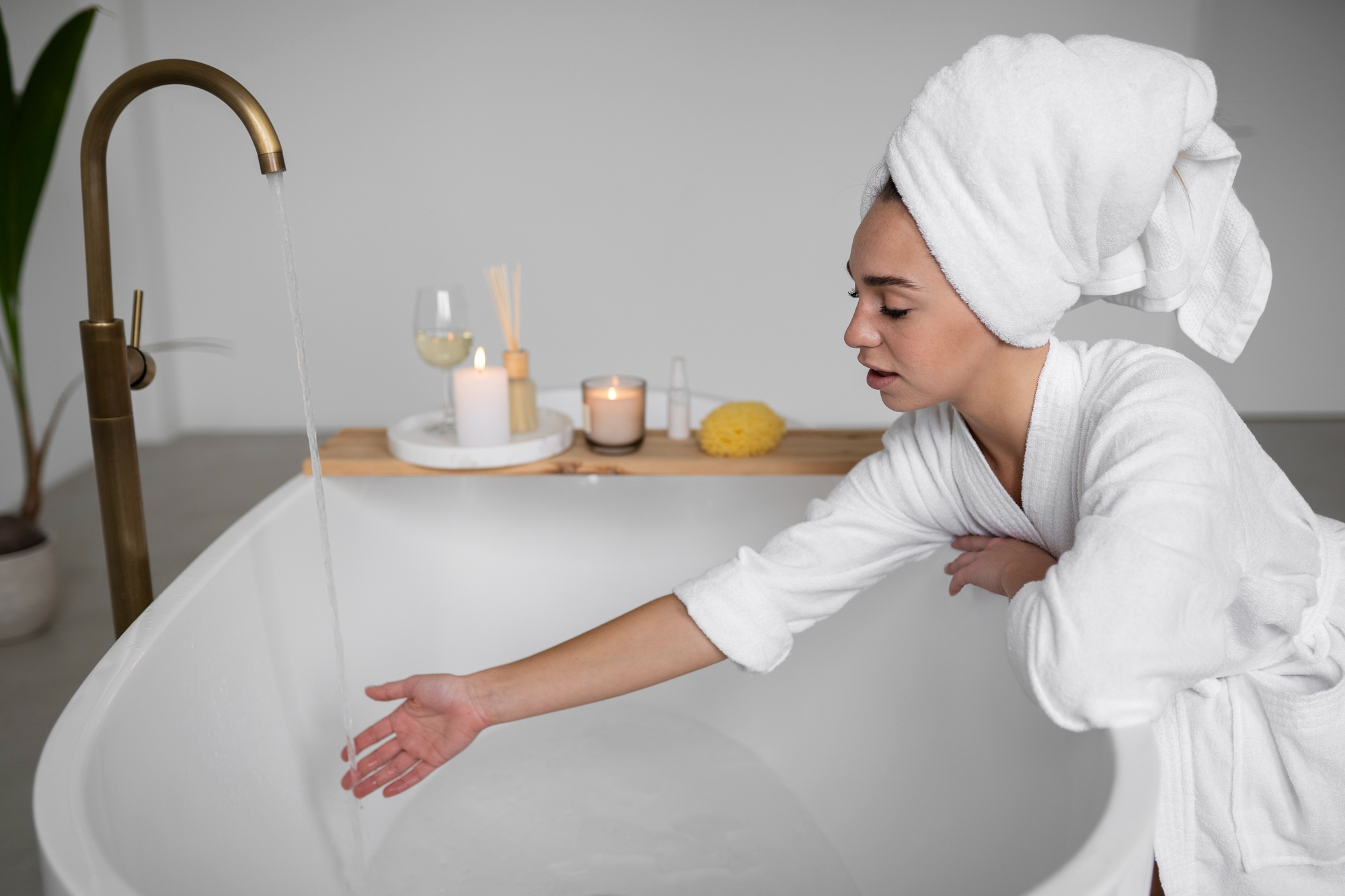
Tip: Start by splashing lukewarm water on your feet and hands first. This allows the circulatory system to adapt to the temperature change gradually before you soak your entire body in water.
6. Can I Skip Bathing In Winter? Is It Healthy?
The final question, and perhaps the one everyone is actually asking, is whether not bathing in winter is a bad habit. Skipping daily bathing in winter is not inherently unhealthy for most people, according to dermatological research. Colder weather reduces sweating, and frequent hot showers can strip the skin of natural oils, worsening dryness, eczema, and itching. Dermatologists note that over-washing may disrupt the skin microbiome and barrier function. However, basic hygiene remains important. Regular cleaning of sweat-prone areas such as the face, hands, armpits, feet, and groin helps prevent odor, infections, and skin issues. Bathing frequency should depend on activity level, climate, skin type, and medical conditions, rather than rigid daily routines. Individual needs vary with age and immune status.
Winter bathing can seem like a struggle, but maintaining hygiene is necessary. But through using these science-backed hacks, you can achieve a safe winter bathing experience.
Disclaimer: This content, including advice, provides generic information only. It is in no way a substitute for a qualified medical opinion. Always consult a specialist or your own doctor for more information.