

)
The temperatures continue to drop in the northern and central regions of the country. As the cold wave sets in, many individuals are likely to experience several health issues. One common problem is cold feet. This happens because the body prioritises sending blood and heat to its core vital organs to maintain a stable internal temperature (thermoregulation). This natural process, called vasoconstriction, narrows the blood vessels in the extremities, like the hands and feet, reducing blood flow and making them feel colder.
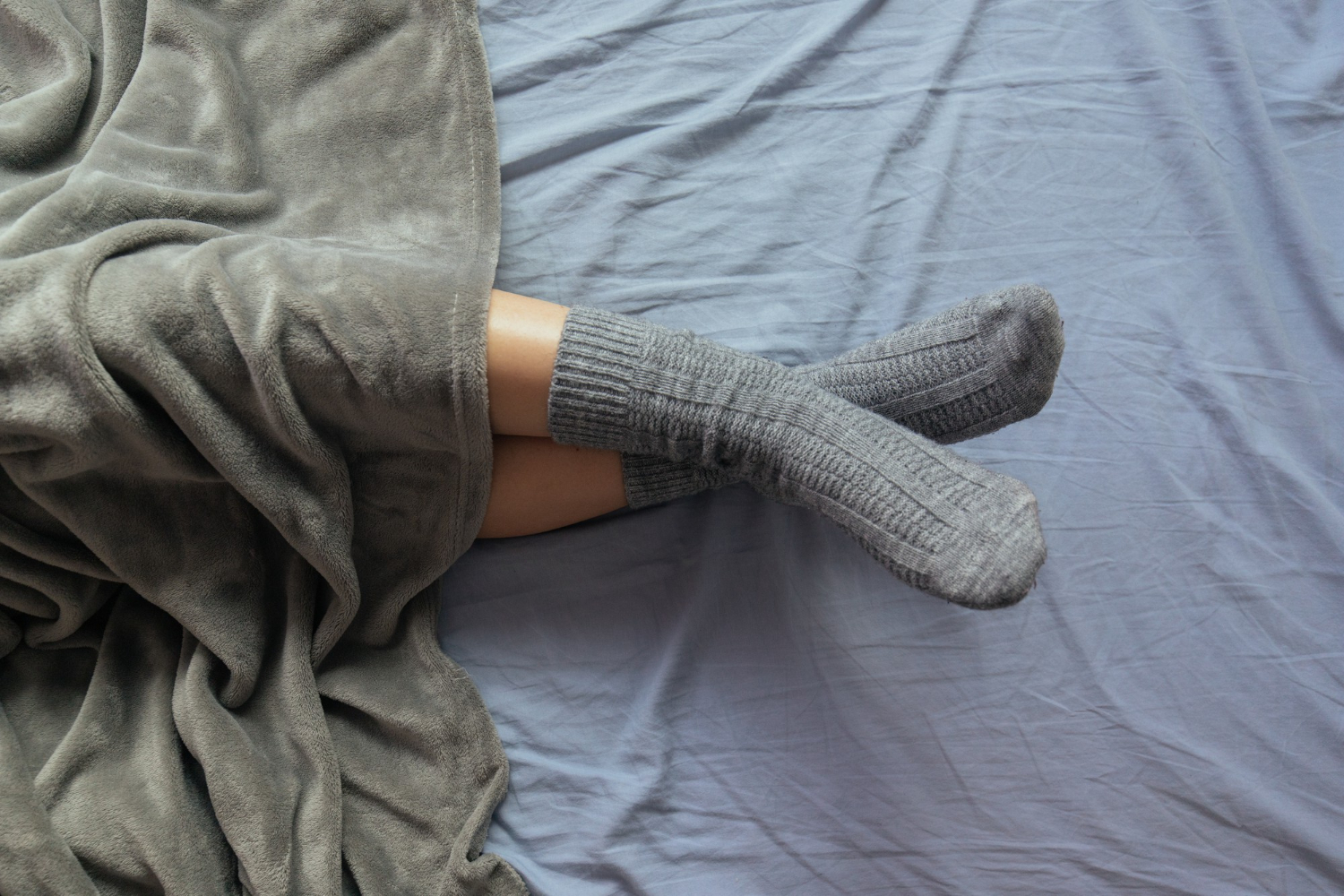
Wearing socks seems a quick solution to this common problem. However, some individuals may still experience cold feet despite wearing socks, which can be frustrating. Several factors contribute to this phenomenon, which can indicate underlying health issues. Here, let's understand the possible causes.
Cold feet despite wearing socks: Know possible causes
1. Poor circulation
One of the primary reasons for cold feet is inadequate blood circulation. Conditions such as peripheral artery disease, diabetes, or Raynaud's phenomenon can constrict blood vessels, reducing blood flow to the extremities and leading to cold sensations.
2. Nerve damage
People with certain medical conditions, particularly diabetes, may experience peripheral neuropathy. This nerve damage can affect the body's ability to feel temperature properly, resulting in cold feet even when warm socks are worn.
3. Thinner socks
The type of socks worn can play a significant role in keeping feet warm. Thin or lightweight socks may not provide enough insulation. It's important to opt for thicker, warmer materials like wool or thermal socks.
4. Moisture
Humidity or sweat can lead to damp socks, which can make feet feel colder. Wet conditions reduce insulation and increase heat loss. Thus, even with socks on, feet can feel cold.
Cotton socks are particularly problematic as they absorb sweat but do not wick it away from the skin. The moisture then cools, rapidly drawing heat away from the feet and making them feel damp and cold.
5. Body temperature regulation
During colder months, the body prioritises keeping the core warm, diverting blood flow from the extremities. This can lead to cold feet as the body tries to preserve heat for vital organs.
6. Footwear issues
Shoes that are too tight or made from non-breathable materials can restrict blood flow and do not provide adequate insulation against cold surfaces.
7. Lifestyle factors
Factors such as inactivity, smoking, and poor diet can contribute to decreased circulation and overall body temperature regulation, leading to cold feet.
8. Other underlying health issues
Conditions like diabetes, hypothyroidism and anemia can also restrict blood flow and contribute to cool feet.
Tips to manage and prevent cold feet
1. Choose the right socks: Invest in high-quality thermal or wool socks. Wool is particularly effective as it retains heat even when damp.
2. Layering: If necessary, wear two pairs of socks, ensuring the outer layer is loose enough to avoid constricting circulation.
3. Keep your feet dry: Change socks if they become sweaty or damp, and consider using moisture-wicking socks to keep feet dry.
4. Warm up your feet: Use foot baths or heating pads for a short time to warm your feet effectively. Be cautious to avoid burns.
5. Improve circulation: Gentle exercises, like toe wiggling or walking, can stimulate blood flow to the feet. Stretching your legs helps as well.
6. Ensure proper footwear: Select well-fitting shoes that provide insulation and allow adequate airflow. Avoid tight footwear.
7. Maintain warmth: Keep your home warm and draft-free. Consider wearing slippers or cosy house shoes indoors to maintain warmth.
8. Stay active: Regular physical activity can enhance circulation, contributing to warmer extremities.
9. Consult a doctor: If cold feet are persistent or accompanied by other symptoms, it might be wise to consult a healthcare professional to rule out any underlying medical conditions.
By understanding the causes behind cold feet and implementing these management strategies, individuals can find relief during those chilly winter months. However, if you don't see any improvement, seek medical help to determine the medical cause.
Disclaimer: This content including advice provides generic information only. It is in no way a substitute for a qualified medical opinion. Always consult a specialist or your own doctor for more information. NDTV does not claim responsibility for this information.