

)
The lymphatic system is a network of vessels, nodes, and organs that helps remove waste, toxins, and excess fluid from the body while improving immune function. Unlike the circulatory system, which relies on the heart to pump blood, the lymphatic system depends largely on movement, muscle contractions, and deep breathing to keep lymph fluid flowing efficiently. When lymph circulation slows down, fluid can accumulate in tissues, leading to feelings of heaviness, puffiness, or discomfort. It is important that there's healthy lymphatic drainage as it helps maintain fluid balance, assists the body's natural detoxification processes, and contributes to a strong immune response.
Regular physical activity, proper hydration, and mindful breathing can all improve lymph flow. Yoga can be beneficial for lymphatic drainage because it combines gentle movement, stretching, muscle engagement, and controlled breathing, which creates an ideal condition for healthy lymphatic circulation throughout the body. Here are some yoga asanas that can help improve lymphatic drainage.
Yoga For Lymphatic Drainage
1. Legs-Up-the-Wall Pose (Viparita Karani)
This inversion is one of the most relaxing yoga poses and is often recommended for reducing feelings of heaviness in the legs. In this pose, you lie on your back with your legs resting vertically against a wall. Since the legs are elevated above the heart, gravity helps move lymph fluid from the lower body toward the central circulation. This may help ease mild swelling and support fluid balance. To practice, sit beside a wall, lie back, and extend your legs upward against the wall. Relax your arms by your sides and breathe deeply for 5-10 minutes.
2. Downward-Facing Dog (Adho Mukha Svanasana)
Downward-Facing Dog is a yoga pose that combines mild inversion with a full-body stretch. In this position, the hips are lifted high while the hands and feet remain on the floor. The pose improves circulation throughout the body and may assist lymph movement. It also activates several large muscle groups, including the arms, shoulders, legs, and core. Hold the pose for several breaths while holding a comfortable position and steady breathing.
3. Cat-Cow Stretch (Marjaryasana-Bitilasana)
Cat-Cow is a simple flowing movement. It involves alternating between arching and rounding the back while coordinating the movement with the breath. This motion helps mobilise the spine, chest, and abdomen. The deep breathing pattern creates pressure changes within the chest and abdominal cavity, which can help in lymph circulation. It is especially useful for beginners because it is gentle, accessible, and easy to learn. Perform the movement slowly for one to two minutes, matching each movement with an inhale or exhale.
4. Bridge Pose (Setu Bandhasana)
Bridge Pose is performed by lying on the back with the knees bent and lifting the hips toward the ceiling. This pose gently opens the chest and engages the legs and gluteal muscles. The combination of muscle activation and chest expansion may help in lymph flow. The pose also encourages deeper breathing, which plays an important role in lymphatic circulation. As the chest opens, the movement of the diaphragm becomes more effective, potentially assisting the return of lymph fluid toward the upper body. Hold the pose for 20-30 seconds while breathing comfortably, then slowly lower back down.
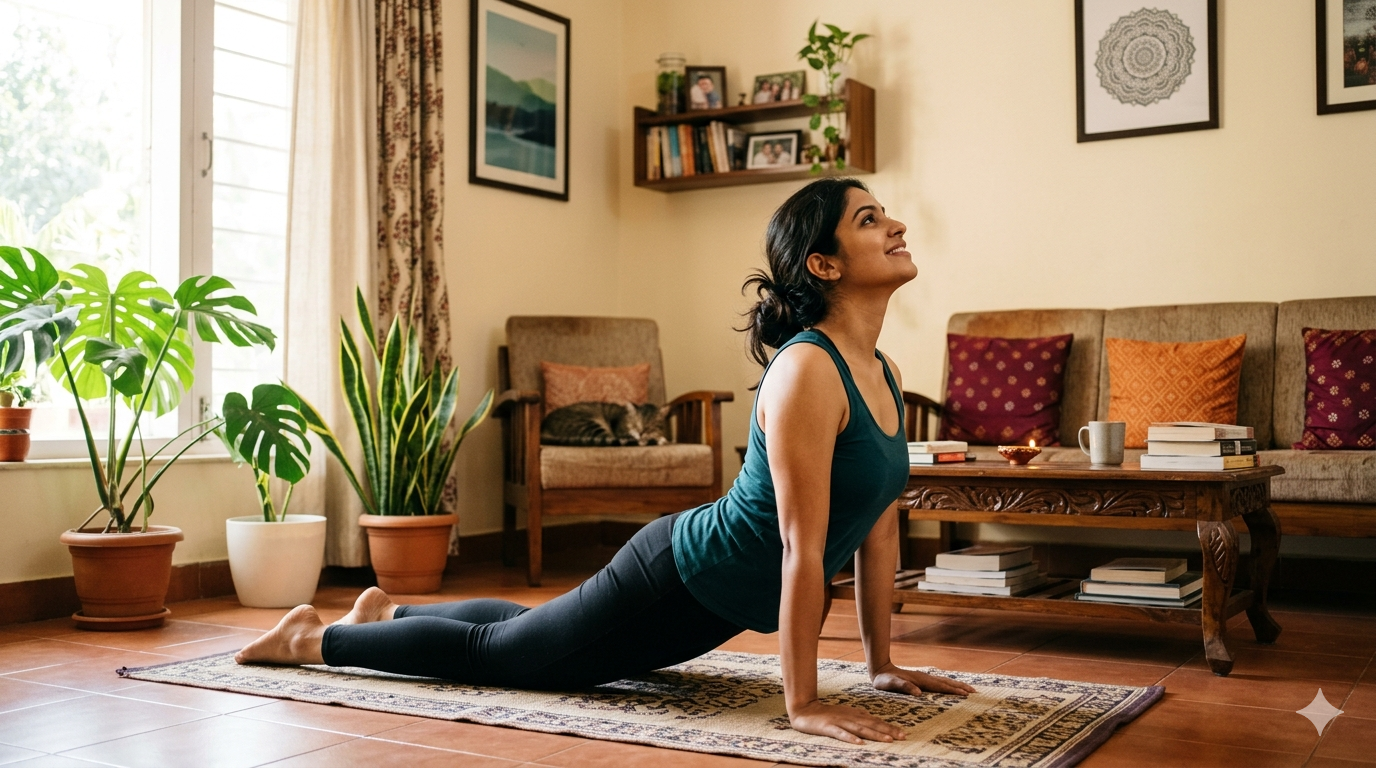
5. Cobra Pose (Bhujangasana)
Cobra Pose requires you to lie on the stomach and lift the chest upward while keeping the lower body grounded. This backbend stretches the front of the body and opens the chest. The lymphatic system contains many lymph nodes around the chest and underarm regions. By expanding these areas and encouraging deeper breathing, Cobra Pose can support healthy lymph movement. Also, the gentle pressure on the abdominal region can stimulate circulation in nearby tissues.
6. Seated Spinal Twist (Ardha Matsyendrasana)
Twisting poses are often included in yoga routines because they create a gentle compression and release effect within the torso. In a Seated Spinal Twist, the body rotates while maintaining an upright posture. This can stimulate muscles around the abdomen and rib cage. The alternating compression and relaxation may encourage fluid movement and circulation. Twists also promote spinal mobility and help maintain flexibility. Move into the twist gradually and avoid forcing the movement.
Disclaimer: This content including advice provides generic information only. It is in no way a substitute for a qualified medical opinion. Always consult a specialist or your own doctor for more information. NDTV does not claim responsibility for this information.