

)
New York City is witnessing a rise in Legionnaires' Disease. According to the NYC Health Department, a total of 76 cases have been reported with four deaths. These cases have been reported in the Upper East Side neighborhoods of Carnegie Hill and Yorkville. As of July 20, 76 cases have been reported, of which 7 are currently hospitalised, 53 have been discharged and 12 who have not been hospitalised. According to a report in The New York Times, health authorities are investigating the source of the outbreak and have focused on cooling towers on buildings on the Upper East Side.
Dr Alister F. Martin, the city's health commissioner, said, "We have not identified anyone with new symptoms for more than a week, and we are not seeing any concerning trends in emergency department surveillance data."
What Is Legionnaires' Disease?
Legionnaires' disease is a serious type of lung infection caused by a bacteria called Legionella. Although it is not as common as other respiratory infections, it can become severe if not diagnosed and treated on time. The disease mainly affects the lungs and can lead to hospitalisation, especially in older adults and people with weak immune systems. Since its early symptoms are very similar to flu or common pneumonia, most people may not spot it immediately.
The bacteria naturally live in freshwater but can multiply in man-made water systems such as cooling towers, hot tubs, decorative fountains, plumbing systems, and large air-conditioning units if the water is not properly maintained. People get infected by breathing in tiny water droplets or mist that contain the bacteria.
Symptoms Of Legionnaires' Disease
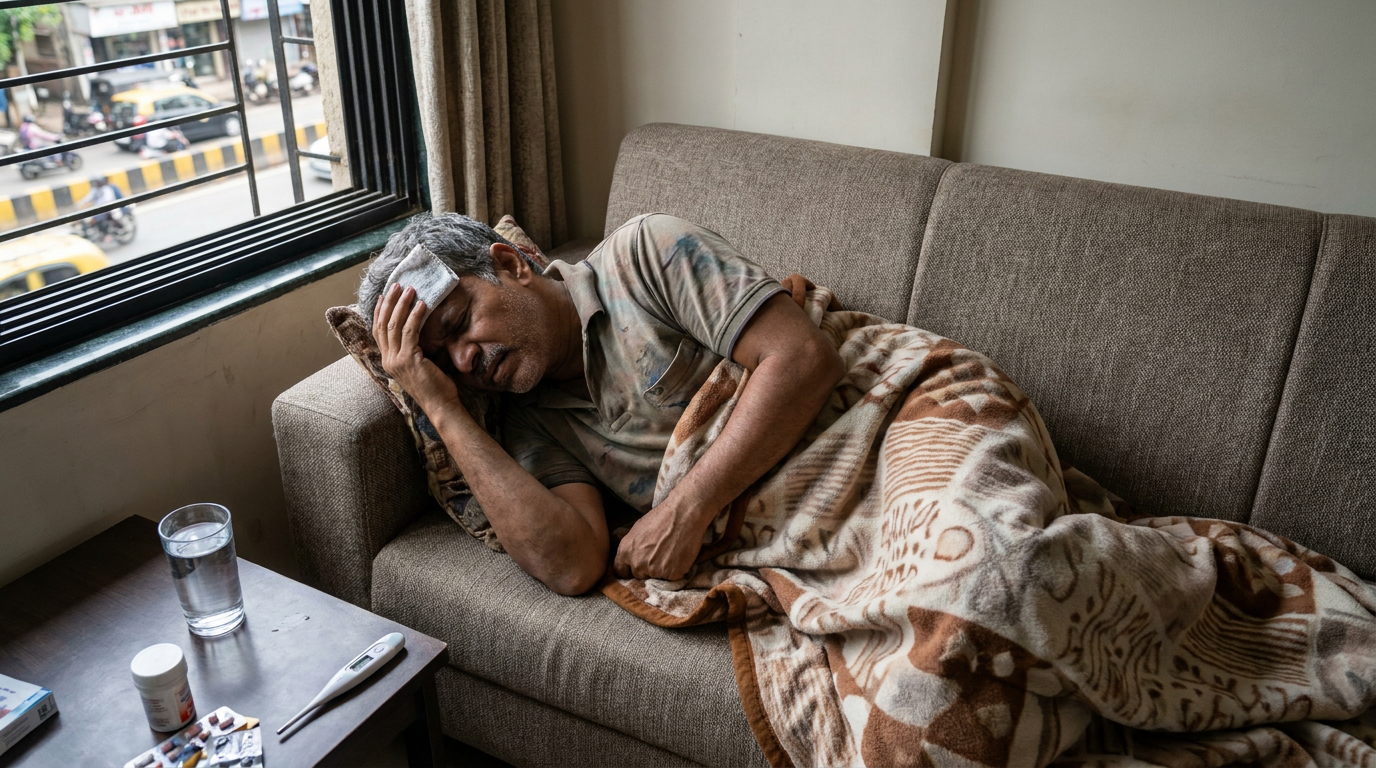
Symptoms usually appear two to 14 days after exposure to the bacteria, though they may take longer in some cases. Common symptoms include:
- High fever: A temperature that may rise above 39 degrees Celsius and is often accompanied by chills
- Persistent cough: The cough may be dry at first but can later produce mucous
- Shortness of breath: Breathing may become difficult as the lung infection worsens
- Muscle aches: Many people experience body pain and weakness similar to the flu
- Headache: A severe headache is a common early symptom
- Fatigue: Extreme tiredness and lack of energy are frequently reported
- Chest pain: Some people may feel discomfort or pain while breathing or coughing
- Digestive problems: Nausea, vomiting, diarrhoea, or abdominal pain can also occur
- Confusion: Older adults may develop confusion or changes in mental alertness
What Causes Legionnaires' Disease?
The disease is caused by inhaling droplets containing Legionella bacteria. The bacteria grows best in warm and stagnant water and can spread through water systems that are not properly cleaned or disinfected. Common sources include:
- Cooling towers used in large buildings
- Hot tubs and spas
- Decorative fountains
- Hotel and hospital plumbing systems
- Showerheads and taps
- Humidifiers or other water-based equipment
Who Is At Higher Risk?
Anyone can develop Legionnaires' disease, but some people are more likely to become seriously ill. Risk factors include:
- Age over 50 years: Older adults have a higher chance of severe infection.
- Smoking: Current and former smokers have damaged lungs, making infection more likely
- Chronic lung disease: Conditions such as COPD increase the risk
- Weakened immune system: Cancer treatment, organ transplantation, HIV infection, or medicines that suppress immunity can make it harder to fight the bacteria
- Chronic illnesses: Diabetes, kidney disease, liver disease, and heart disease can increase vulnerability.
Possible Complications Of Legionnaires' Disease
Without prompt treatment, Legionnaires' disease can become life-threatening. Possible complications include:
- Respiratory failure: The lungs may not be able to provide enough oxygen to the body
- Septic shock: The infection can spread into the bloodstream, causing a dangerous drop in blood pressure
- Acute kidney injury: Severe infection may affect kidney function
- Multi-organ failure: In severe cases, multiple organs may stop functioning properly
- Death: The risk is highest in older adults, people with weakened immunity, and those whose treatment is delayed
Can It Be Prevented?
There is currently no vaccine to prevent Legionnaires' disease. Prevention mainly depends on keeping water systems clean and well maintained. Regular cleaning, proper water temperatures, and routine disinfection of cooling towers, plumbing systems, spas, and fountains help prevent the growth of Legionella bacteria.
The Cleveland Clinic says that the risk of Legionnaires' disease can be reduced by maintaining and properly disinfecting water and ventilation systems. "You can reduce your risk at home by making sure shower heads, faucets, hot tubs and humidifiers are properly cleaned and run regularly."
Disclaimer: This content including advice provides generic information only. It is in no way a substitute for a qualified medical opinion. Always consult a specialist or your own doctor for more information. NDTV does not claim responsibility for this information.