

)
Andhra Pradesh has reported six new COVID-19 cases, with three cases each from East Godavari and Visakhapatnam districts, according to a report in The Hindu. This takes the total number of active cases in the state to 32. According to the Health Department, 44 samples collected from across the state were tested, including 19 from East Godavari. Three people from the district tested positive, raising its total to six cases. The total number of COVID-19 deaths in the state stands at four.
The latest rise in infections has once again raised questions about whether COVID-19 is making a comeback and if people should start taking precautions. However, experts say there is no reason to panic. Rajeev Jayadevan, co-chairman of the Indian Medical Association (IMA) COVID Task Force, said, "The coronavirus has a tendency to come in cyclical patterns, so it is common to see a periodic rise in cases. Since 2022, when the last wave caused by Omicron was reported, we have not witnessed an incident where the healthcare system was overwhelmed."
Why COVID-19 And Dengue Are Often Confused
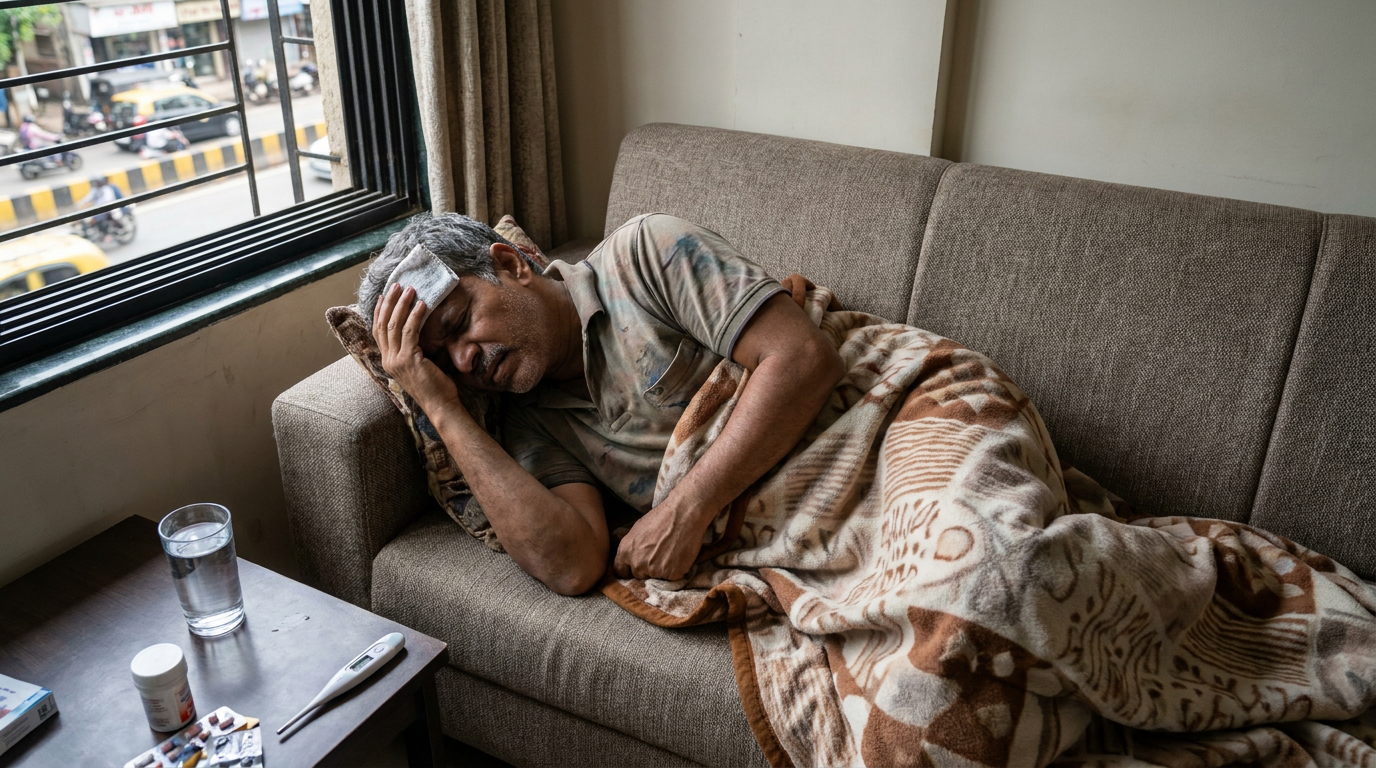
COVID-19 and dengue are both viral infections that can begin with similar symptoms, especially fever, body aches, headache, and tiredness. During the monsoon season, when dengue cases also start increasing in many parts of India, it becomes easy to mistake one illness for the other.
Although they may look similar in the early stages, they are caused by different viruses, spread in different ways, and require different treatment approaches. Knowing the difference is important because delayed diagnosis can lead to complications.
How The Two Diseases Spread
One of the biggest differences between COVID-19 and dengue is how they spread.
COVID-19 spreads mainly through respiratory droplets and tiny airborne particles are released when an infected person coughs, sneezes, talks, or breathes. It can also spread through close contact in crowded indoor spaces.
Dengue, on the other hand, does not spread from person to person. It is caused by the dengue virus, which is transmitted through the bite of an infected Aedes mosquito. These mosquitoes usually bite during the daytime and breed in stagnant water.
Symptoms: What Is Similar And What Is Different?
Both illnesses often begin with fever and general weakness, making them difficult to tell apart without testing.
Common symptoms of COVID-19
- Fever
- Sore throat
- Cough
- Runny or blocked nose
- Fatigue
- Body aches
- Loss of taste or smell in some cases
- Shortness of breath in severe infections
Common symptoms of dengue
- Sudden high fever
- Severe headache
- Pain behind the eyes
- Muscle and joint pain
- Skin rash
- Nausea and vomiting
- Easy bruising or bleeding from the gums or nose in severe cases
Unlike COVID-19, dengue usually does not cause cough, sore throat, or breathing problems. On the other hand, respiratory symptoms are among the most common signs of COVID-19.
Why Is Testing Important
Since the symptoms overlap, doctors often recommend laboratory tests to confirm the diagnosis instead of relying only on symptoms.
COVID-19 is diagnosed using tests such as RT-PCR or rapid antigen tests. Dengue, on the other hand, is confirmed through blood tests, including the NS1 antigen test or dengue IgM antibody test, depending on how long the person has been ill. Doctors may also check platelet counts and other blood parameters, as dengue can cause a significant drop in platelets in some patients.
Treatment Is Different
There is no specific antiviral treatment needed for most mild COVID-19 infections. Most people recover at home with rest, adequate fluids, and medicines to reduce fever, as advised by a doctor. People at higher risk, such as older adults or those with chronic illnesses, may need additional medical care if symptoms become severe.
Dengue treatment mainly focuses on supportive care. Staying hydrated is important because dehydration can worsen the illness. Doctors closely monitor patients for warning signs such as severe abdominal pain, persistent vomiting, bleeding, or a rapid fall in platelet count. Self-medicating with certain painkillers, such as ibuprofen or aspirin, should be avoided unless advised by a doctor because they may increase the risk of bleeding.
How To Protect Yourself
Simple preventive measures can reduce the risk of both diseases.
To lower the risk of COVID-19:
- Wash your hands regularly
- Stay home if you are unwell
- Wear a mask in crowded indoor places if you have symptoms or are at higher risk
- Keep your vaccinations up to date if recommended
To prevent dengue:
- Do not allow water to collect in coolers, flower pots, buckets, or containers
- Use mosquito repellents and wear full-sleeved clothing
- Install window screens or use mosquito nets where needed
- Help keep your surroundings clean to reduce mosquito breeding
When Should You See A Doctor?
Seek medical attention if you have a high fever that lasts for more than two days, difficulty breathing, severe weakness, persistent vomiting, bleeding, confusion, chest pain, or signs of dehydration. These symptoms should not be ignored, regardless of whether the illness turns out to be COVID-19 or dengue.
Disclaimer: This content including advice provides generic information only. It is in no way a substitute for a qualified medical opinion. Always consult a specialist or your own doctor for more information. NDTV does not claim responsibility for this information.