

)
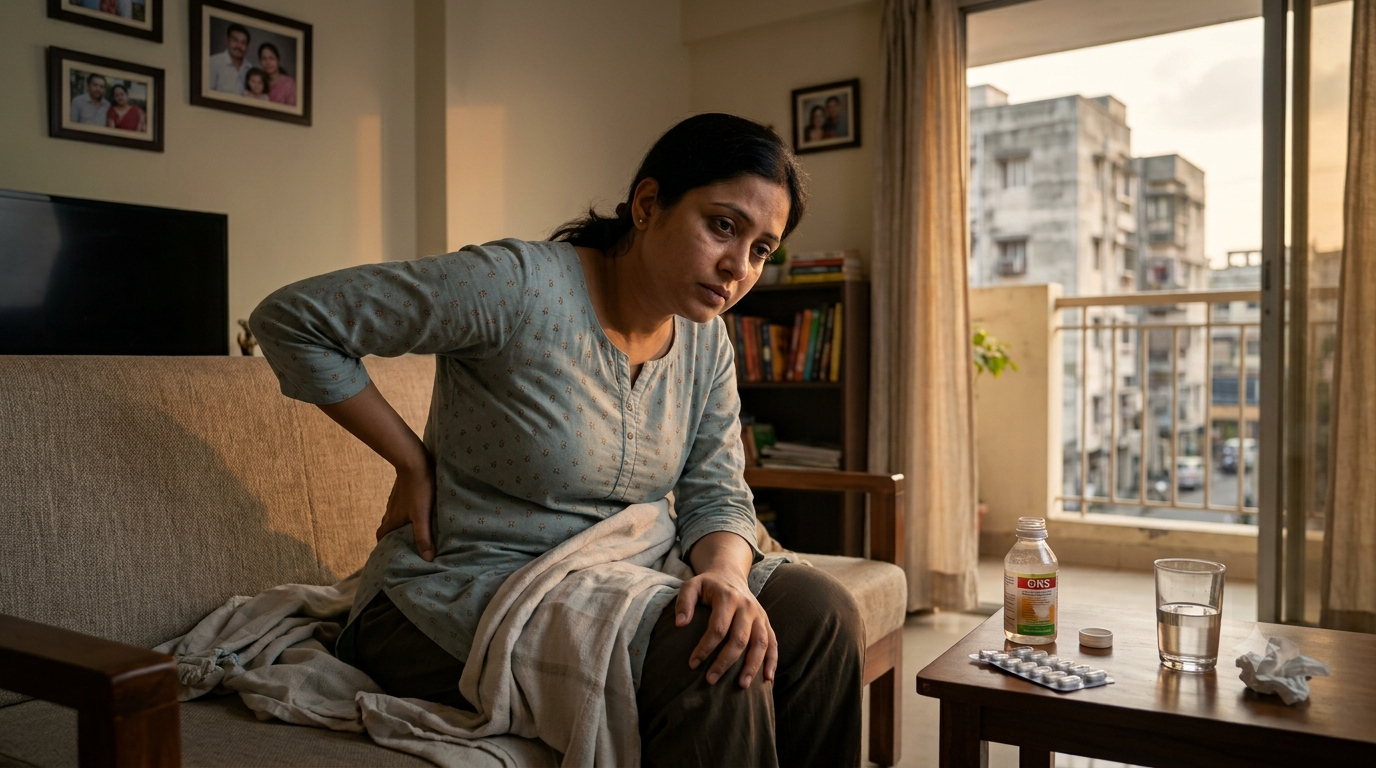
For many people, recovering from dengue doesn't end when the fever breaks. Even after platelet counts improve and appetite returns, lingering joint pain, muscle aches and stiffness can make everyday activities, from climbing stairs to getting out of bed, a challenge. It's one of the reasons dengue has long been nicknamed "breakbone fever."
While these aches are usually temporary, experts say they shouldn't always be brushed aside as a normal part of recovery. Persistent pain lasting several weeks, swollen joints or difficulty walking may signal that the body's inflammatory response has triggered an underlying joint problem or delayed recovery.
According to Dr Rajesh Kumar Verma, Chairman - Orthopaedics, Joint Replacement & Spine Surgery and Robotic Joint Replacement & Spine Surgeon at Shalby International Hospital, Gurugram, dengue doesn't damage bones directly. Instead, the virus triggers widespread inflammation that affects muscles, joints, tendons and surrounding soft tissues.
"The majority of patients recover well, but persistent pain deserves attention because, in some cases, dengue may reveal an underlying orthopaedic problem that had previously gone unnoticed," he explains. Here's why dengue causes severe musculoskeletal pain, what recovery usually looks like and the signs that mean it's time to consult an orthopaedic specialist.
'Breakbone Fever' Isn't Just A Nickname
One of dengue's most recognisable symptoms is intense body pain.
"Dengue is often thought of as just a high fever with low platelet counts, but many people are surprised by the intense joint and muscle pain it can cause. In fact, dengue is sometimes called 'breakbone fever' because the pain can be so severe that patients feel as though their bones are breaking," says Dr Verma.
According to the World Health Organization (WHO), muscle pain (myalgia) and joint pain (arthralgia) are among the classic symptoms of dengue infection, alongside fever, headache and skin rash.
But despite the nickname, the virus doesn't attack the bones themselves. "The virus triggers a strong inflammatory response in the body. This inflammation affects the muscles, joints, tendons and surrounding soft tissues, leading to widespread body aches, stiffness and difficulty moving," explains Dr Verma.
Also Read: Monsoon Fever? Here's How Doctors Tell A Cold From Dengue Or Typhoid
Why Does It Hurt So Much?
The inflammation caused by dengue affects several parts of the musculoskeletal system at once.
According to Dr Verma, patients commonly complain of pain in the:
- Knees
- Ankles
- Wrists
- Elbows
- Shoulders
- Lower back
Muscle pain is particularly common in the thighs and calves, making even short walks exhausting during the illness. Research published by the US Centers for Disease Control and Prevention (CDC) shows that these symptoms are among the most frequently reported manifestations of dengue and can persist beyond the acute infection in some patients.
Most People Recover Within A Month
The reassuring news is that severe pain doesn't usually last forever.
"In the majority of cases, these symptoms improve gradually within two to four weeks as the infection resolves," says Dr Verma.
Recovery depends on:
- Adequate hydration
- Rest
- Nutritious food
- Medicines prescribed by the treating physician
However, he cautions against taking painkillers without medical advice.
"Patients should avoid self-medicating with painkillers such as ibuprofen or diclofenac during the acute phase unless specifically advised, as these drugs can increase the risk of bleeding in dengue."
WHO and CDC guidance similarly recommends paracetamol for fever and pain relief while avoiding NSAIDs because of their association with increased bleeding risk.
When Is Joint Pain No Longer 'Normal'?
Many people assume lingering aches are simply part of recovering from dengue. Dr Verma says that's true, to a point.
However, patients should consult an orthopaedic specialist if they experience:
- Pain lasting beyond four to six weeks
- Swollen or red joints
- Difficulty bearing weight
- Restricted movement
- Persistent weakness
"Sometimes dengue can unmask underlying osteoarthritis or other joint conditions that had previously gone unnoticed," he explains. Older adults may also lose muscle strength after prolonged bed rest, making arthritis symptoms and balance problems more noticeable.
What If You've Had A Knee Or Hip Replacement?
This is another common concern among patients. According to Dr Verma, the implant itself is rarely affected by dengue.
"Patients who have undergone knee or hip replacement surgery may experience temporary discomfort during dengue because of the body's inflammatory response. While the implant itself is usually not affected, persistent pain, swelling, fever that returns after recovery, or difficulty walking should always be evaluated to rule out other causes, including a rare possibility of infection."
Although implant infections after dengue are uncommon, symptoms that worsen instead of improving should never be ignored.
Also Read: India Gets Its First Dengue Vaccine, QDENGA: Effectiveness, Doses, Eligibility Explained
Recovery Doesn't Stop When The Fever Ends
The final stage of recovery is getting your strength back. Once your treating physician confirms that it's safe, Dr Verma recommends:
- Gentle stretching
- Gradual walking
- Supervised physiotherapy where necessary
"Returning to strenuous exercise too early may delay recovery," the doctor says. Gradual rehabilitation helps rebuild muscle strength, improve joint movement and reduce stiffness after prolonged illness.
Joint and muscle pain is one of dengue's most debilitating symptoms, but for most people it improves within a few weeks. As Dr Rajesh Kumar Verma explains, the pain is driven by inflammation, not damage to the bones, and usually settles with rest, hydration and appropriate medical care. However, symptoms that persist beyond a month, worsen over time or interfere with walking deserve an orthopaedic evaluation. Recognising when post-dengue pain is no longer part of a normal recovery can help identify underlying joint conditions early and ensure patients regain their mobility safely.
Read More: India Has A Dengue Vaccine. Now It Needs A Strategy
Disclaimer: This content including advice provides generic information only. It is in no way a substitute for a qualified medical opinion. Always consult a specialist or your own doctor for more information. NDTV does not claim responsibility for this information.