

)
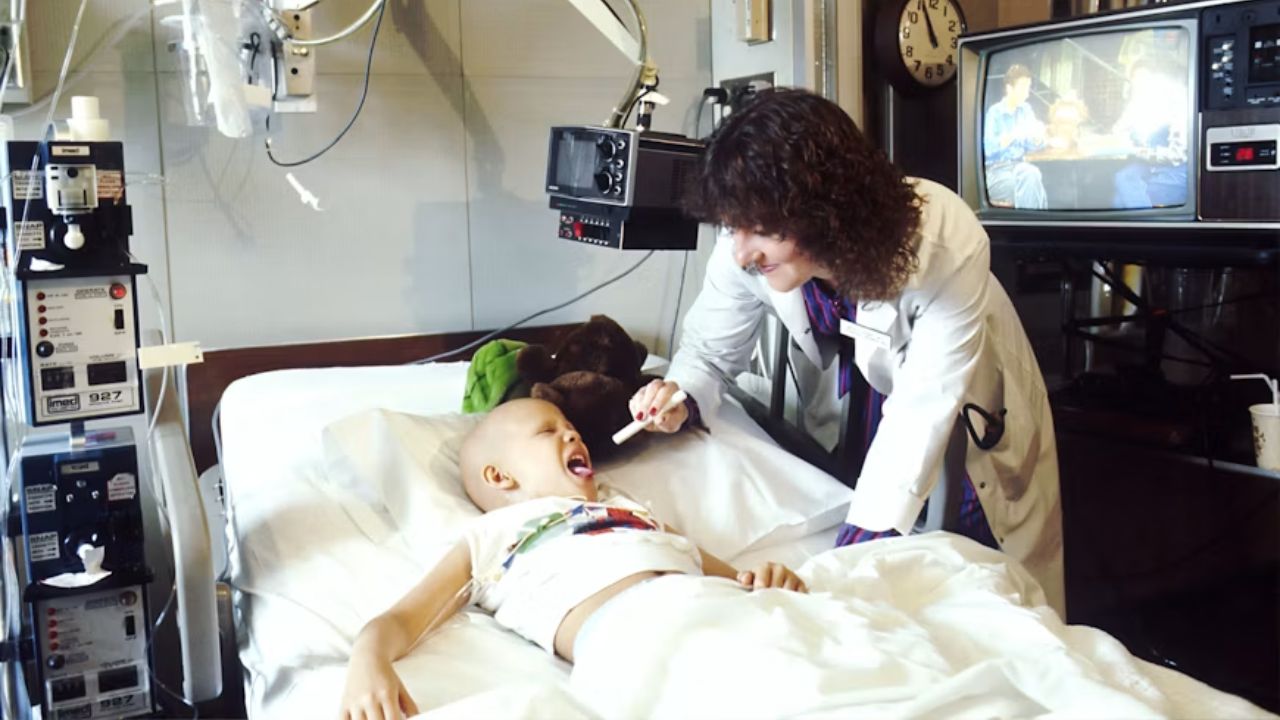
Oliver Harrison, a 4-year-old boy from Wakefield, West Yorkshire, is set to start primary school. This marks a new beginning after a year filled with hospital stays, intensive treatment and life-threatening complications. He was diagnosed with Non-Hodgkin lymphoma after his mothers, Cora and Helen, noticed that he was unusually tired and vomiting on Mother's Day in 2025. They also noticed that one of his pupils was larger than the other. Oliver, who was only three at the time, eventually spent five months in a hospital in Leeds, much of it in almost complete isolation while undergoing aggressive chemotherapy.
His illness became even more severe when he developed sepsis and pneumonia. At one point, Oliver was unable to walk and spent a month in a coma, including his birthday and Christmas. Scans showed that the cancer had spread to lymph nodes and vessels in his abdomen, as well as his spine, brain fluid, kidneys and liver. After completing treatment, Oliver is now preparing to start school and is excited about making friends and learning to read and write.
According to a report in The Sun, Cora said, "Every parent gets emotional about their child starting school but it is extra special seeing how excited Oliver is to make friends and learn how to read and write.
"Last year was absolute hell as the cancer snatched so much away from all of us."
She also added, "Oliver missed out on the ordinary things like playdates with friends and important occasions. He spent Christmas and his birthday in a coma."
What Is Non-Hodgkin Lymphoma?
Non-Hodgkin lymphoma is a type of cancer that develops in the lymphatic system. The lymphatic system is an important part of the body's immune system and includes lymph nodes, lymph vessels and other tissues that help the body fight infections.
The disease begins when certain white blood cells, called lymphocytes, grow abnormally and multiply without control. These cancerous cells can collect in lymph nodes or other parts of the body and may spread to organs. Non-Hodgkin lymphoma can occur at any age. While it is uncommon in young children, lymphoma is one of the types of blood cancer that can affect children.
Symptoms Of Non-Hodgkin Lymphoma
Symptoms can vary depending on where the lymphoma develops and how quickly it grows. Some signs may initially look like common childhood illnesses, which can make the disease difficult to identify. Possible symptoms are:
- Swollen lymph nodes: A painless lump or swelling in the neck, armpit or groin may develop.
- Persistent tiredness: A child may seem unusually weak or exhausted.
- Unexplained fever: Fever without an obvious infection can sometimes occur.
- Night sweats: Heavy sweating during sleep may be a warning sign.
- Unexplained weight loss: Losing weight without a clear reason can occur.
- Frequent infections: Changes in the immune system can make some children more vulnerable to infections.
- Easy bruising or bleeding: Abnormal blood-cell production can sometimes cause these symptoms.
- Abdominal swelling or pain: Lymphoma can affect lymph nodes or organs in the abdomen.
- Breathing difficulties or persistent cough: Enlarged lymph nodes in the chest can sometimes put pressure on nearby structures.
Not every child with these symptoms has lymphoma. However, persistent, unusual or worsening symptoms should be checked by a doctor.
What Causes Non-Hodgkin Lymphoma?
In most cases, doctors cannot identify one specific cause of non-Hodgkin lymphoma. The cancer develops when there are changes in the DNA of lymphocytes, causing them to grow and survive.
These genetic changes can happen for different reasons, and they are usually not something a parent has caused or could have prevented. Certain infections, immune-system problems and inherited conditions can increase the chances of lymphoma in some people. However, having a risk factor does not mean that a person will definitely develop the disease.
Types Of Non-Hodgkin Lymphoma
Non-Hodgkin lymphoma is not one single disease. There are many different types, and doctors generally classify them according to the type of lymphocyte involved and how quickly the cancer grows. The two broad groups are:
- B-cell lymphomas: These develop from B lymphocytes, which normally help the immune system produce antibodies. They account for many cases of non-Hodgkin lymphoma.
- T-cell and natural killer (NK)-cell lymphomas: These develop from other types of immune cells and are less common.
Lymphomas may also be described as aggressive or indolent. Aggressive lymphomas grow quickly and usually require prompt treatment, while indolent lymphomas tend to grow more slowly.
Risk Factors For Non-Hodgkin Lymphoma
There is no single risk factor that explains why a child develops non-Hodgkin lymphoma. However, some conditions can increase the risk. These include:
- A weakened immune system
- Certain inherited immune disorders
- Some viral infections, depending on the lymphoma type
- Previous treatment with certain medicines that suppress the immune system
- Certain genetic conditions
How Is It Diagnosed And Treated?
Doctors may begin with a physical examination and blood tests if lymphoma is suspected. Imaging scans can help identify enlarged lymph nodes or areas affected by the disease. A biopsy, in which a small amount of tissue is examined in a laboratory, is generally needed to confirm lymphoma and determine its exact type.
Treatment depends on the type and stage of the cancer. It may include chemotherapy, targeted medicines, immunotherapy, radiation therapy or, in some cases, a stem-cell transplant.
Disclaimer: This content including advice provides generic information only. It is in no way a substitute for a qualified medical opinion. Always consult a specialist or your own doctor for more information. NDTV does not claim responsibility for this information.