

)
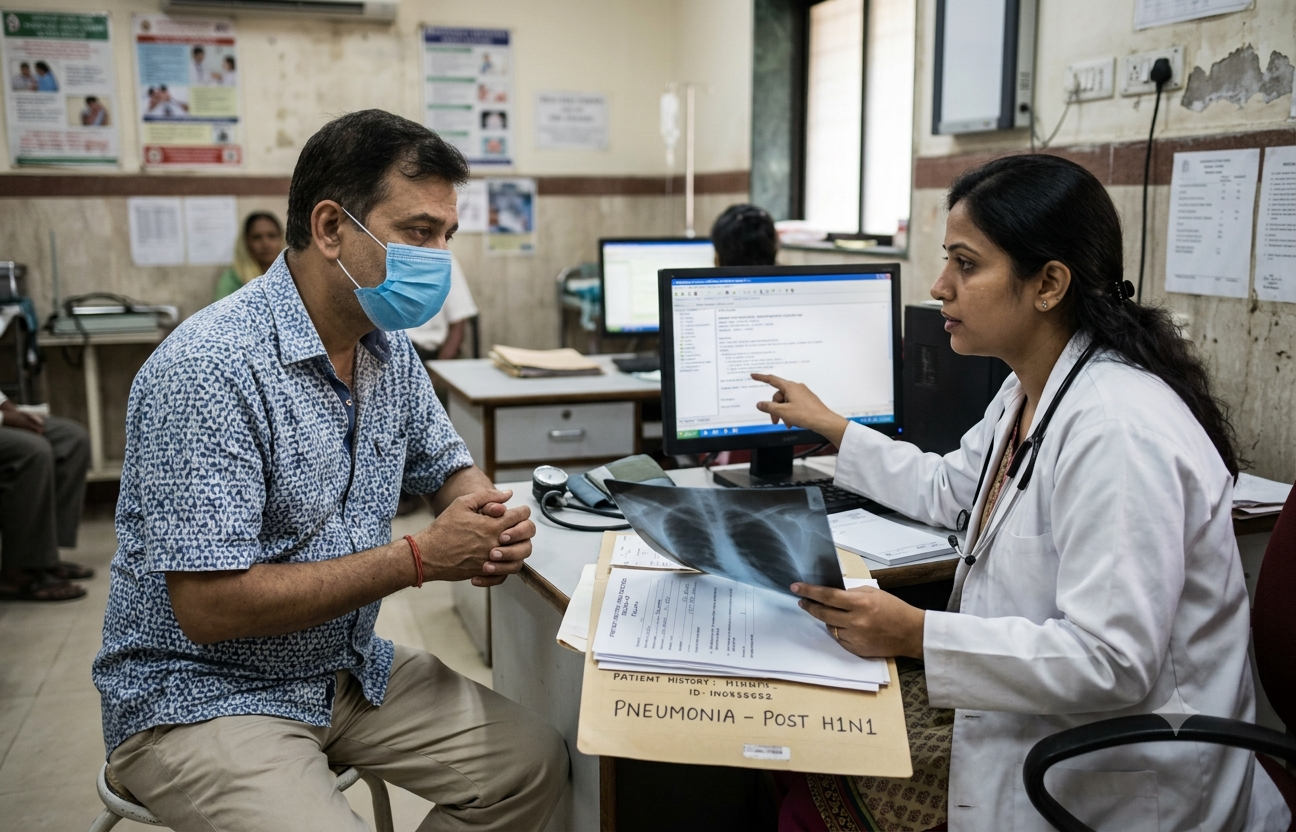
The recent seasonal spike in H1N1 cases has led many people to be concerned about potential health complications from the viral infection. One such possible health complication is pneumonia, which can become the cause of lung injury, causing hospitalisation and severe health outcomes. The warning signs of pneumonia after H1N1 can be identified via shortness of breath, persistent or worsening fever, worsening cough, chest pain, rapid breathing, extreme fatigue or weakness, low oxygen levels, confusion or drowsiness, and bluish lips or fingertips. These symptoms need to be taken seriously, and timely medical treatment is necessary to stop the progression of the post-viral health complication.
Can H1N1 Cause Pneumonia?
Yes, it can, as H1N1 can make the respiratory system weaker, and it can become vulnerable to developing viral pneumonia. This happens as the lungs are directly infected by bacteria after the initial flu illness. Pneumonia after H1N1 is a cause of concern, as it can result in hospitalisation, respiratory failure, and even death in severe cases.
How Does H1N1 Affect The Lungs?
H1N1 viral infection tends to damage the respiratory tract and cause inflammation in the lungs. The deposition of fluid in lung tissue can reduce the oxygenation rate, causing a drop in blood oxygen levels. There is a far greater risk of severe infections when this happens, and the recovery takes longer.
The Indian Journal of Virology has found that H1N1 can cause severe pneumonia with symptoms such as
- Fever
- Cough
- Breathlessness
If medical treatment is delayed, then health outcomes could be worse, especially for those dealing with pre-existing medical conditions.
Dr Animesh A. Ray, Professor, Department of Medicine, AIIMS New Delhi, highlights, "For many people, flu symptoms improve within a few days. But recovery can sometimes take longer, especially when the infection has been severe. Pneumonia, another infection, or a worsening of an existing health problem can make the recovery period much longer. Older adults, young children, pregnant women, and people with other medical conditions are more likely to develop complications. In severe cases, influenza can be fatal."
Types Of Pneumonia Linked To H1N1
The European Respiratory Journal has documented that pneumonia after H1N1 can cause respiratory failure. Patients of H1N1 are more likely to require intensive care unit support and ventilation, and medical research studies have found that H1N1-related deaths occur when secondary infections turn into serious medical health emergencies.
Viral Pneumonia
This is caused directly by the influenza virus, and it often develops during the active infection period after contracting H1N1. The BMC Infectious Diseases Journal has found that a secondary bacterial infection is common in nearly one in four severe H1N1 cases. Specifically, Streptococcus pneumoniae is a common bacterial cause and is strongly associated with intensive care admission and death.
Secondary Bacterial Pneumonia
A serious health complication that can occur after H1N1 is secondary bacterial pneumonia, which could develop days after an H1N1 infection. It happens during the recovery period as the lung's protective barriers become damaged.
Warning Signs That H1N1 May Have Progressed To Pneumonia
An H1N1 patient can exhibit warning signs that need medical treatment to avoid worse health outcomes; these symptoms can be:
- Persistent high fever
- Severe or worsening cough
- Shortness of breath
- Rapid breathing
- Chest pain
- Wheezing
- Confusion in older adults
- Low oxygen levels
- Extreme fatigue
- Bluish lips or fingertips
Dr Anurag Aggarwal, Senior Consultant, Internal Medicine, Fortis Hospital Faridabad, explains, "Persistent symptoms after influenza are a recognised area of medical interest. Listening to the body during recovery, recognising warning signs, and seeking timely medical advice when symptoms persist can help prevent a temporary illness from becoming a prolonged health concern."
Who Is Most At Risk Of H1N1 Pneumonia?
The people who are at high risk of developing H1N1 pneumonia are those who are dealing with pre-existing medical conditions such as:
- People with diabetes
- Older adults
- Young children
- Pregnant women
- Individuals with asthma or chronic lung disease
- Heart disease patients
- Immunocompromised individuals
When Should You See A Doctor?
A doctor should be consulted when the warning signs are evident; these can be the following:
- Symptoms lasting beyond a few days
- Breathing difficulty
- Falling oxygen levels
- Severe dehydration
- Altered mental status
- Persistent chest pain
Can H1N1 Pneumonia Be Treated?
The treatment of H1N1 can entail following a treatment protocol that involves:
- Antiviral medications are important within 48 hours of onset of symptoms for effectiveness.
- Oxygen support as the oxygenation rate reduces, causing health issues.
- Hospitalisation when needed for medical treatment to manage the resulting complications.
- Antibiotics for bacterial pneumonia are necessary as per a doctor's prescription.
Note: H1N1 health complications need early medical treatment, as they can cause severe health outcomes.
How To Reduce The Risk Of H1N1 Complications
The risk of H1N1 health complications can be minimised by following these tips:
- Annual influenza vaccination
- Hand hygiene
- Mask use during outbreaks
- Early testing
- Managing chronic diseases
- Rest and hydration
H1N1 can become the cause of viral pneumonia as well as secondary bacterial pneumonia; paying attention to the warning signs and seeking medical treatment is necessary to avoid severe health outcomes.
Also Read: How To Spot Secondary Bacterial Pneumonia After An H1N1 Infection
Disclaimer: This content including advice provides generic information only. It is in no way a substitute for a qualified medical opinion. Always consult a specialist or your own doctor for more information. NDTV does not claim responsibility for this information.