

)
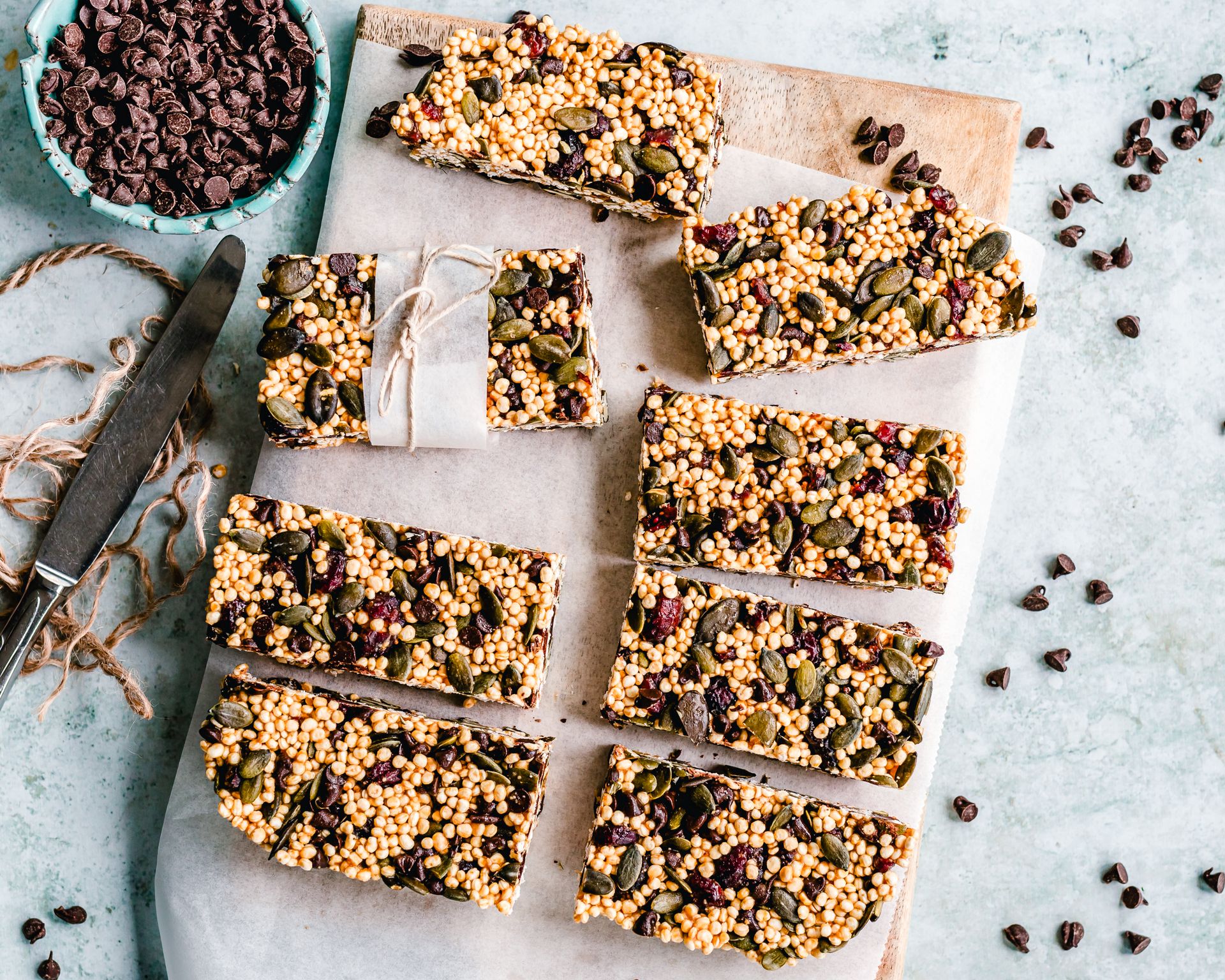
Protein bars are becoming popular as breakfast replacements as they aim to provide nutrition easily. The main reason behind their preference is their ability to supply morning protein, whose quantities vary based on the ingredients infused into the protein bars. Their nutritional composition can be analysed based on the ingredients used and their quality. While protein bars are considered a smart breakfast choice, their impact on your health matters, as breakfast time is important for nutritional intake. The gut can readily absorb the nutrients and their form as it is consumed, but most people ignore this and go for the easy breakfast option instead.
The American Journal of Lifestyle Medicine suggests that most protein bars can provide about 30 g of protein on average, which could make you full, but their overall impact on nutrition varies vastly. A diverse breakfast that balances multiple aspects of required nutrition, such as fibre, complex carbohydrates, protein and probiotics, can provide a much better nutritional start to the day when compared with a breakfast protein bar.
Why Protein Matters At Breakfast
The importance of protein at breakfast is vital if you want stable energy levels and to regulate your hunger hormones. It is also responsible for regulating your cravings for sugary snacks that can derail your weight loss and fitness goals.
Consuming a protein-rich breakfast is necessary to support the body in the following manner:
- Supports muscle maintenance
- Slows digestion
- Promotes satiety or fullness
Morning protein benefits: approximately 30 g of it is necessary to support your muscle health, and it can be easily absorbed in the morning.
What Happens When You Eat 30 g Of Protein In The Morning?
The form of 30 g of protein could be from a protein bar or from a well-balanced breakfast plate; the choice between these two is indicated by the average time people want to spend making their breakfast.
If long-term sustainable protein goals for breakfast are considered, then opting for a nutritional, well-rounded breakfast is better than going for a breakfast protein bar.
May Keep You Fuller For Longer
The Journal of Nutrition documents that about 30 g of protein could support appetite-regulating hormones such as ghrelin and leptin. It could also improve control over the urge to snack, which can make people indulge in unhealthy snacking options.
Helps Stabilise Blood Sugar Levels
When the daily protein dose is received at breakfast time or evenly distributed between the three meals during the day, then your blood sugar levels can be stable. The ample early morning protein dose makes for slower absorption of carbohydrates and provides better energy throughout the day.
Supports Healthy Metabolism
The 30 g of protein at breakfast can also support energy spent during the digestion process, as the protein acts as a facilitator of effective digestion.
Supports Muscle Health
Your muscles need protein synthesis, which requires a steady distribution of protein throughout the day. Protein for energy depends on the metabolic rate and how much physical activity that you normally perform during the day; not only the intake of protein but also its metabolisation matters for your energy levels.
Are Protein Bars A Good Breakfast Choice?
Protein bars are a healthy choice for breakfast when you don't have access to whole foods that can provide the nutritional value that the body needs.
It is preferred during travel, as physical access to whole and nutritious foods is restricted. But for breakfast, the best available form of whole fruits is better than consuming a dehydrated version of the same in a protein bar.
Potential Drawbacks Of Protein Bars
While protein bars contain multiple ingredients such as nuts, seeds, and protein, the composition can negate their health benefits, as most protein bars contain the following:
- Added sugars
- Artificial sweeteners
- Low fibre content
- Highly processed ingredients
What To Look For In A Breakfast Protein Bar
If you are looking for a healthy protein breakfast bar, then you need to follow this checklist:
- At least 15-20 grams of protein
- Low added sugar
- Rich in fibre
- Whole-food ingredients
- Moderate calorie content
Healthy breakfast options that involve protein bars for breakfast need to be carefully chosen based on the exact list of ingredients on their food labels.
Protein Bar vs Traditional High-Protein Breakfast
For a protein-rich breakfast, traditional high-protein breakfast options such as
- Eggs with whole-grain toast
- Greek yoghurt with nuts
- Paneer and vegetable chilla
- Tofu scramble
- Milk and oats with seeds
These traditional high-protein breakfasts are better in protein quality, fibre content, and micronutrients as well as keeping you full.
Who May Benefit Most From A 30-Gram Protein Breakfast?
The intake of 30 gm of protein for breakfast is beneficial for those who:
- Trying to lose weight
- Older adults
- Fitness enthusiasts
- Individuals with busy schedules
- People prone to mid-morning hunger
Can Protein Bars Help With Weight Management?
The density of protein in protein breakfast bars could aid in weight management, but its effects are limited due to the nutritional impact.
Potential Benefits Of Protein Bars
The weight loss benefits of breakfast protein bars are limited to the following:
- Better satiety or fullness
- Portion control
- Reduced cravings
When They May Backfire
This breakfast option can also result in negative health outcomes due to the following:
- Excess calories
- Sugar-heavy products
- Overreliance on processed foods
Tips for Building a Balanced High-Protein Breakfast
A balanced intake of protein during breakfast depends on opting for the right food combinations that can provide the nutrition required for a well-balanced breakfast. You need to follow these tips:
- Pair protein with fibre for better absorption
- Include healthy fats
- Stay hydrated
- Prioritise whole foods when possible for better nutritional impact.
- Use protein bars as a convenience option rather than a daily meal replacement.
A breakfast protein bar is a practical healthy option, but the exact quotient of protein, fibre and sugar used matters. About 30 gms of breakfast protein can also be achieved by eating a nutritionally balanced breakfast, but when access is restricted to whole foods, then carefully choosing a breakfast protein bar could prove useful.
Also Read: From Bhuna Chana To Sattu: 5 Indian Snacks To Make Your 5 PM Hunger Healthier
Disclaimer: This content including advice provides generic information only. It is in no way a substitute for a qualified medical opinion. Always consult a specialist or your own doctor for more information. NDTV does not claim responsibility for this information.