





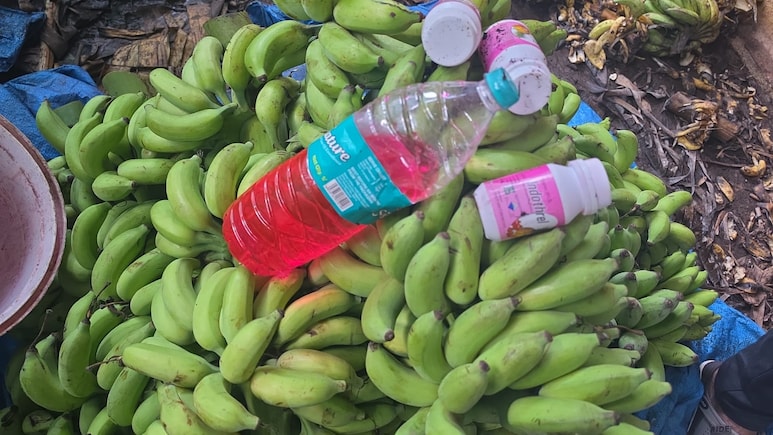
- Food Safety officials seized 10,890 kg of chemically ripened bananas in Udupi district
- The seized bananas are valued at approximately 8.71 lakh and are under official seizure
- Artificial ripening uses chemicals like calcium carbide, posing serious health risks
Food Safety and Drug Administration officials conducted surprise raids at shops and godowns in Alevoor, Kemthur and Duglipadavu villages in Udupi district in Karnataka following information that bananas were being artificially ripened using chemicals.
During the operation, officials seized 10,890 kg of chemically ripened bananas stored in a godown. The seized stock is estimated to be worth around 8.71 lakh.
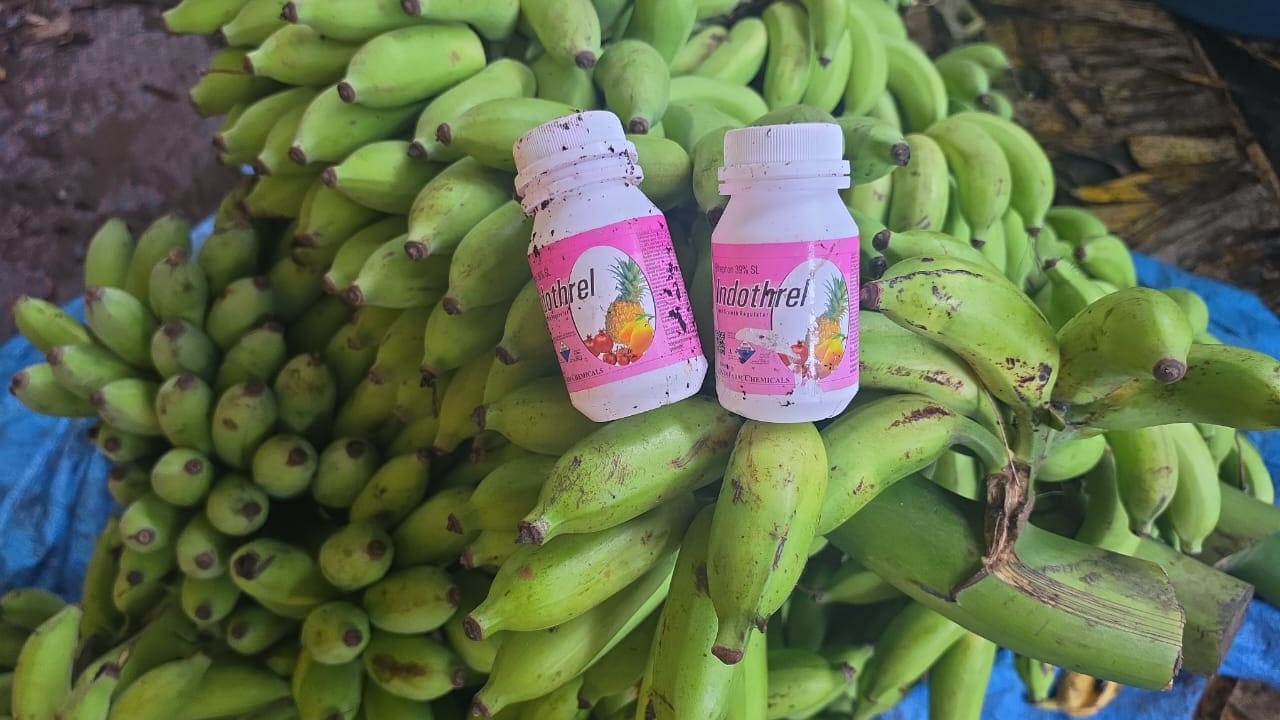
The seized bananas have been kept in the godown under official seizure, and further action is expected as per food safety regulations.
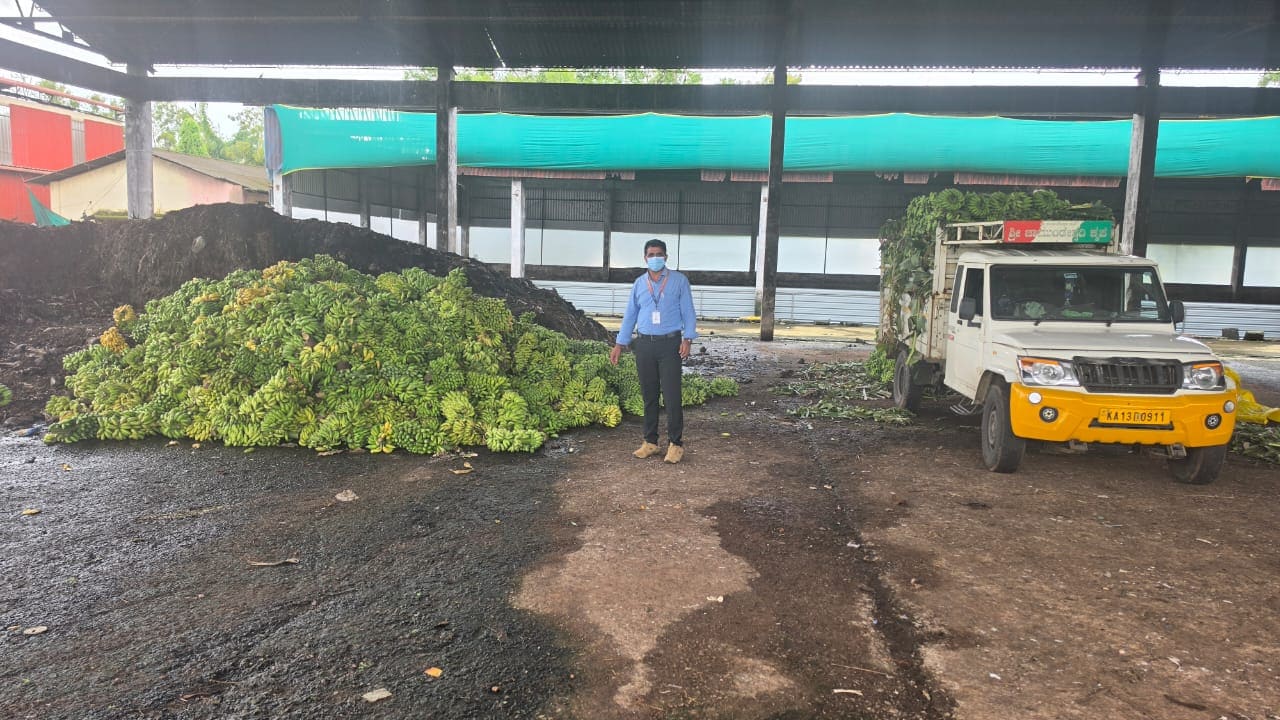
10,890 kg of chemically ripened bananas were stored in a godown
As a consumer, it is important to know that not every bright yellow banana you buy from the market has ripened naturally. Some fruits are artificially ripened using chemicals such as calcium carbide, which can pose serious health concerns. Knowing a few simple signs can help you make a more informed choice.
How To Spot Artificially Ripened Bananas
One of the easiest ways to tell the difference is by looking closely at the peel. According to research published on National Library of Medicine, naturally ripened fruits usually have uneven colouring. A naturally ripened banana may have patches of green, yellow and even a few brown spots. Artificially ripened bananas, on the other hand, may appear uniformly yellow but can look less naturally appealing.
Smell the banana too. Naturally ripened bananas generally have a pleasant, sweet aroma and taste naturally sweet. Artificially ripened fruits may have only a faint smell. Another sign is the texture and taste. A banana may look perfectly yellow on the outside but still taste sour or remain under-ripe in the centre, suggesting that the ripening process was forced.
Shelf life can offer another clue. Naturally ripened bananas tend to remain good for longer, while artificially ripened ones may develop dark patches on their peel within a short period.
These signs may not always offer absolute proof, but being aware of them can help you make better choices.
Track Latest News Live on NDTV.com and get news updates from India and around the world

