





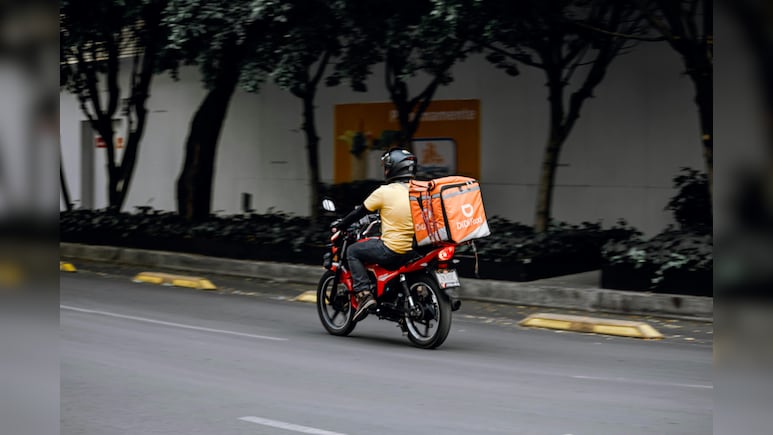
India's festive season is creating a fresh wave of jobs for gig and seasonal workers.
Hiring for such roles has risen 15-20 per cent this festive season, according to an estimate by TeamLease Services. The hiring comes as companies prepare for a sharp jump in shopping, deliveries and consumer demand.
Interestingly, the job boom is no longer limited to India's biggest cities. Tier-II and Tier-III cities are emerging as important hiring markets, even as workers in Tier-I cities continue to command better pay.
According to Balasubramanian Anantha Narayanan, Senior Vice-President, TeamLease Services, employers are moving away from simply hiring large numbers of people. They are increasingly looking for workers with the right skills for specific frontline roles. "Employers are shifting from sheer volume recruitment to precision hiring," Narayanan said.
The biggest demand is coming from e-commerce, quick commerce, logistics, organised retail, FMCG and consumer durables.
Delivery associates remain among the most sought-after workers. Warehouses and fulfilment centres are also adding people ahead of the festive rush.
Retail stores are hiring store associates, field sales executives and in-store promoters. Dark stores also need fulfilment staff. Warehouses need inventory coordinators and workers who can operate automated systems. Companies are also hiring for returns and quality-related roles.
"Companies are increasingly looking for workers who have basic digital skills and can handle more specialised operational work," Narayanan told NDTV.
Why Tier-II Cities Are Becoming Important
Companies are expanding their hiring footprint into Tier-II and Tier-III cities as local consumption grows. This is particularly important for last-mile delivery, logistics and organised retail.
For workers in smaller cities, the expansion can mean something more than a temporary festive job. It can create a local employment option without requiring them to move to a metro. "The footprint of gig work is expanding significantly into Tier-II and Tier-III cities alongside major metros, creating widespread regional opportunities," Narayanan said.
While smaller cities are seeing more opportunities, Tier-I cities continue to have an advantage when it comes to earnings. Workers in metros generally command higher compensation because companies face stronger competition for frontline talent. The higher cost of living also plays a role.
But the difference is not limited to fixed pay. Festive hiring is increasingly coming with incentives. These include peak-day surge pay, productivity-linked payouts, referral bonuses, fuel allowances and shift allowances.
Attendance and tenure-completion bonuses are also being used to keep workers on the job through the festive rush. "In metros, employers tend to compete more aggressively through incentives and variable earnings," Narayanan said.
In smaller cities, meanwhile, the growing availability of jobs can itself become an attraction.
Delivery, Warehouse Jobs Lead Demand
Delivery platforms and quick-commerce companies are among the major employers during the festive period. Their requirements can rise sharply as consumers order everything from groceries and electronics to fashion and festive essentials.
But delivery is only one part of the hiring story. Warehouse and fulfilment workers are also in high demand. Retailers need additional staff in stores. FMCG and consumer durable companies need field sales and distribution workers.
This year, companies are also looking for workers for more specialised roles. That includes dark-store associates, inventory and fulfilment coordinators, warehouse automation operators and returns and quality personnel.
According to Narayanan, employers are also using attractive attendance and retention incentives to reduce mid-season attrition rather than relying only on higher base pay.
Besides, companies are also widening opportunities for women in frontline roles. At the same time, some temporary workers could eventually move into permanent or longer-term positions.
Track Latest News Live on NDTV.com and get news updates from India and around the world

