





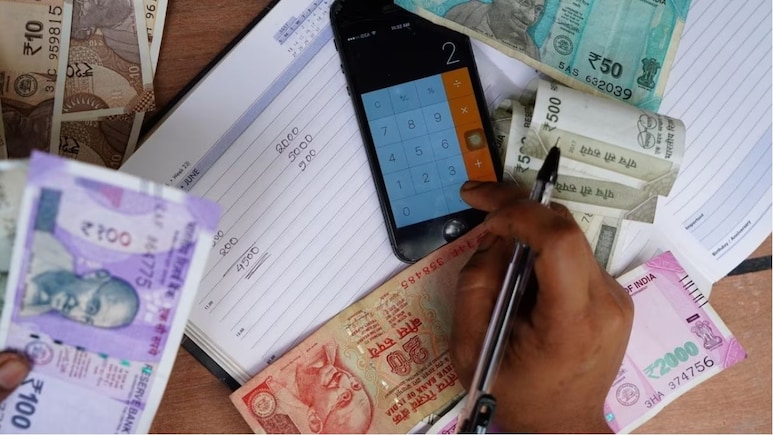
- Plan your income tax at the start of the financial year using common deductions wisely
- Report all income sources including bank interest, freelance, rent, and foreign income to avoid penalties
- Pay self-assessment tax before filing income tax returns to avoid penalties and fees
Income Tax FY 2025-26: Income tax saving is all about planning, paperwork, and correct reporting. Many taxpayers lose money not because of high tax, but because of mistakes while filing returns. Some of these mistakes can attract penalties as high as 200 per cent of the tax due. Follow Live Updates
A careful approach can help you save tax and avoid trouble. Here is how to do both.
- Start with proper tax planning
- Plan your tax at the start of the financial year.
Also, use common deductions wisely:
- Section 80C: EPF, PPF, ELSS, life insurance, home loan principal
- Section 80D: Health insurance premium
- Home loan interest under Section 24(b)
- NPS contribution under 80CCD(1B)
- HRA, LTA, and standard deduction from salary
- Do not invest just to save tax. Choose products that suit your goals.
"Many investors focus on headline tax-saving instruments and deductions but often overlook the hidden costs that can silently erode post-tax returns. These charges may not be immediately visible, yet they materially impact the effectiveness of any tax-saving strategy over the long term," says CA Suresh Surana.
Report Every Income Source
Many notices are triggered because income is missed. Commonly ignored incomes:
- Bank interest from savings and FDs
- Freelance or side income
- Capital gains from shares or mutual funds
- Rent received
- Foreign income or assets
Always match your income with:
- AIS (Annual Information Statement)
- Form 26AS
- If it appears there, it must appear in your return.
| Section | Nature of Default | Penalty |
| 140A(3) | Failure to pay self-assessment tax, interest, or fees | Up to the amount of tax in arrears |
| 270A(1) - Under-reporting | Income under-reported | 50% of tax payable on that income |
| 270A(1) - Misreporting | Income misreported deliberately | 200% of tax payable on that income |
| 234F | Late filing of ITR | Rs 5,000; Rs 1,000 if income ≤ Rs 5 lakh |
| TDS/TCS statement delay | Failure to file statements on time | Rs 200 per day, capped at TDS/TCS amount |
| 271AAD | False entry or omission in books to reduce tax | 100% of false/omitted entry value |
File On Time, Pay Self-Assessment Tax
If tax is still due after TDS and advance tax, pay it before filing ITR. Delay in payment or filing attracts fees and penalties. Remember that these small errors can be costly:
- Wrong PAN or bank details
- Incorrect deduction claims
- Missing income entries
- Mismatch with AIS/26AS
- Claiming exemptions without proof
- Review your return calmly before submission.
If You Make A Mistake, Fix It Quickly
The law allows you to file a revised return before the deadline. If you discover an error:
- Correct it immediately
- File a revised return
- Keep documents ready
- Genuine mistakes with proper explanation may not attract penalties.
Keep These Documents Ready:
- Investment proofs
- Insurance receipts
- Loan statements
- Rent receipts
- Capital gains statements
- Bank interest certificates
"Many investments come with hidden charges, so it's important to be aware of them and avoid frequent buying and selling. A good strategy is not just about picking the right tax-saving products, but also understanding their costs, how they work, and any exit conditions. Keeping these costs, low can help you grow your wealth more effectively over time," added CA Surana.
Track Latest News Live on NDTV.com and get news updates from India and around the world

