-

Son Not At Home, Thane Woman Adds Rat Poison To Rice, Eats It. Dies In Mumbai
Shobha Vasudev Dalvi had mixed rat poison paste in cooked rice and consumed it on September 5 at her home in Sapadgaon when her son was out to celebrate Dahi Hand
-

"Notice Doesn't Mean Exclusion": Poll Body After Row Over Delhi Voter List
The notices have been issued to several prominent public figures, including former Delhi Chief Minister Arvind Kejriwal, New Delhi MP Bansuri Swaraj, former Delhi BJP president Virendra Kumar Sachdeva, senior BJP leader L K Advani, and former Deputy Chief Minister Manish Sisodia.
-
CCTV Footage Shows Moment Telangana Neurosurgeon's Car Hit Divider, Burst Into Flames
In the CCTV footage, the car can be seen approaching from a distance. Suddenly from the fast lane it veered left, crossed all the lanes and slammed into the outer divider. Seconds later, the vehicle erupted into flames.
-
Sabotage Attempts On India's Semiconductor Push? What Ashwini Vaishnaw Said
Citing sabotage attempts when Apple started assembling iPhones in India, he said the nation must prepare for such eventualities.
-
Man Enters Karnataka Home With Bucket. 6 Of Family Die In Fire Minutes Later
The fire broke out at the Damone family home in Chavhat Galli on September 15. Six members of the family, including Gajanan Damone, lost their lives in the blaze.
-
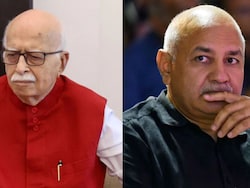
LK Advani And Manish Sisodia Among Those Issued Notices Over Voter Details
LK Advani, his daughter, Pratibha, and daughter-in-law, Geetika, have been issued notices after their names could not be mapped to the 2002 special intensive revision (SIR) electoral roll, while his son Jayant has cleared the mapping exercise.
-
Bhagwant Mann Takes AAP's Punjab Report Card Door-To-Door Ahead Of Polls
Punjab Chief Minister Bhagwant Mann highlighted the welfare schemes and initiatives of his government, including free electricity and free medical facilities through Aam Aadmi Clinics
-
Lost In Amritsar, Found In Gaya: Stranger Uses AI To Reunite Man With Family
Sukhchain Singh said the family had searched extensively for Chaman Lal in Amritsar and had also alerted the police. Villagers and relatives had shared his photograph on social media, hoping someone somewhere would spot him.
-
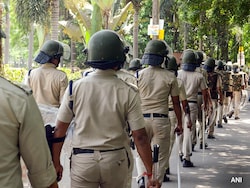
Gangster Reaches Sonipat Home On 6-Hour Parole, Welcomed With Drumbeats
As he reached his village, villagers welcomed him with drumbeats. Tight security marked his arrival, with heavy police deployment around his residence.
-
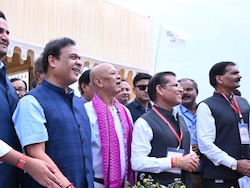
Himanta Sarma Lays Foundation Stone For Adani Power's 3,200 MW Assam Project
The project, which entails an investment of around Rs 48,000 crore, is expected to significantly boost Assam's power generation capacity while creating large-scale employment opportunities.
-
Telangana Man, Who Murdered Brother-In-Law For Killing Sister, Arrested
Chittari Haribabu, also a YouTuber, was attacked with a knife by his brother-in-law, Gandam Santosh, on Thursday.
-
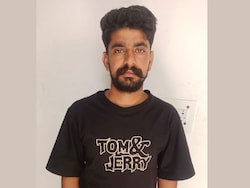
How Pakistan's ISI Lured Truck Driver Into Becoming Border Spy In Kathua
The Jammu and Kashmir Police have arrested a 24-year-old truck driver from Kathua for setting up a live surveillance feed for Pakistani handlers.
-
Alfred Cooke's Final Interview: The Dogfight That Defined A Legend
Flight Lieutenant Alfred Tyrone Cooke shot down at least one Sabre and was officially credited with a second. He engaged a third aircraft before running out of ammunition, according to his account
-
Humayun Kabir-Led AJUP's State Secretary Arrested With Fake Notes, Arms In Bengal
Investigators are also probing whether the counterfeit currency was intended to be used during the election and whether the accused had been involved in the circulation or use of fake notes earlier.
-
Congress Leader's Brother Shot Dead In Punjab, Cops Suspect Personal Rivalry
The victim was identified as Sukhraj Singh alias Kaka, the younger brother of Padda village's incumbent Congress sarpanch, Navdeep Singh.
-
Pune Murder Accused Siya Goyal Made Fake Instagram ID To Lure Fiance To Fort
Ketan Agarwal died after being pushed off the fort on June 18, following which his fiancee, Siya Goyal, and her lover, Chetan Chaudhary, were arrested.
-
'Uncouth, Foul-Mouthed': BJP On Rahul Gandhi's "Maa" Remarks With Comic
BJP national spokesperson CR Kesavan in a video statement this morning said Rahul Gandhi had insulted women by "mocking a frail mother"
-
Delhi Chief Minister Gets Notice For "SIR Discrepancies", Poll Body Clarifies
The entry for the chief minister, however, has been "validated", and her name will be included in the final electoral roll of Shalimar Bagh constituency, scheduled to be published on November 4, the CEO office said.
-
'Football Will Deflate': Himanta Sarma Jabs Mamata Banerjee Over Party Symbol
The Mamata Banerjee-led faction of Trinamool on Friday got the name 'Mamata All India Trinamool Congress' and the 'football player' symbol ahead of the October 6 bypolls in Bengal.
-
Punjab Cop Murder Accused Killed In Encounter, Pak Terror Link Under Probe
Harjit Singh, a resident of Tarn Taran district, was shot from point-blank range by two men on a bike on Friday.