





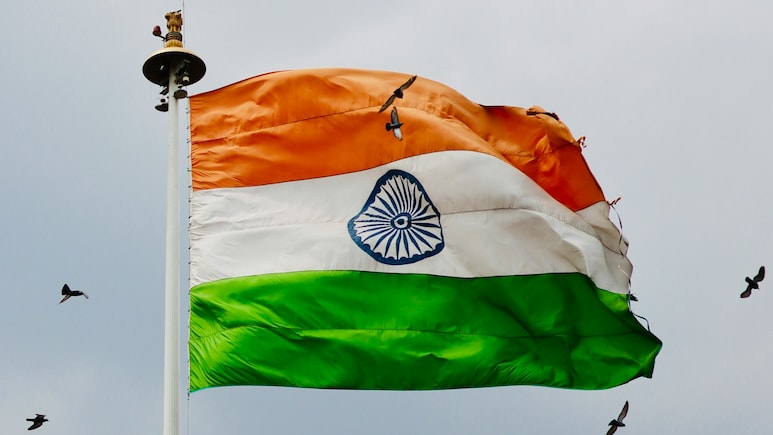
As India prepares to celebrate its 80th Independence Day on August 15, 2026, the Har Ghar Tiranga campaign is encouraging citizens to bring the spirit of patriotism into their homes by displaying the national flag. While hoisting the Tricolour has become a popular way to mark the occasion, it is important to follow the guidelines laid down under the Flag Code of India to ensure the flag is displayed with dignity and respect.
The Flag Code of India provides rules on the correct display, handling and maintenance of the national flag. From the way the Tricolour should be positioned to how it should be stored after use, understanding these guidelines can help people avoid common mistakes.
Here are 10 important Flag Code rules to remember before hoisting the Tiranga at home:
1. The flag must always be displayed with dignity
The national flag should be treated with respect at all times. It should never touch the ground, floor, water or any surface that could damage or disrespect it.
2. The correct position of the Tricolour matters
When displayed horizontally, the saffron band should always be at the top, followed by white and green, with the Ashoka Chakra in the centre. When displayed vertically, the saffron band should be on the left side from the viewer's perspective.
3. The flag should not be used as decoration
The Tricolour should not be used as a decorative item, clothing material, table covering, packaging material or for any commercial purpose.
4. The flag should be made from appropriate material
The Flag Code permits the national flag to be made from different materials, including polyester and machine-made fabric, along with traditional hand-spun and handwoven materials. The flag should be of proper quality and maintained in good condition.
5. Damaged or soiled flags should not be displayed
A torn, damaged or dirty national flag should not be hoisted. Such flags should be disposed of in a dignified manner, preferably through private methods that preserve the flag's honour.
6. The flag should be hoisted properly
The Tricolour should be hoisted briskly and lowered slowly. It should not be displayed upside down, and the saffron band should never be placed at the bottom.
7. The flag should not be smaller or lower than other flags
When displayed alongside other flags, the Indian national flag should occupy a position of honour. It should not be placed below another flag or displayed in a way that reduces its importance.
8. The Ashoka Chakra must remain visible
The 24-spoke Ashoka Chakra should be clearly visible and correctly positioned. Any distortion or incorrect representation of the Chakra should be avoided.
9. The flag can be displayed day and night but should be properly illuminated
Following changes to the Flag Code, citizens are permitted to display the national flag throughout the day and night. However, if displayed at night, it should be properly illuminated.
10. Handle the flag carefully after use
After Independence Day celebrations are over, the flag should be stored respectfully. It should not be thrown away or handled carelessly.
Since the 2002 amendment to the Flag Code, private citizens can hoist the flag at homes, offices, or factories, provided they follow the above rules. Violation of the Flag Code or insulting the flag can lead to imprisonment for up to three years, a fine, or both, under the Prevention of Insults to National Honour Act, 1971.
Track Latest News Live on NDTV.com and get news updates from India and around the world

