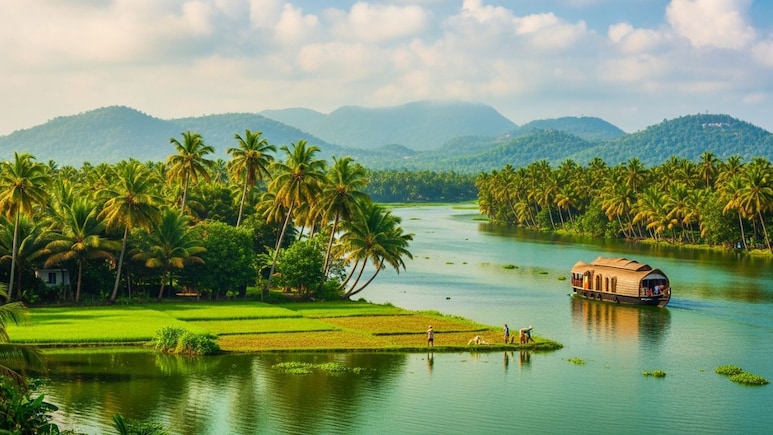
Indian travellers today are not short of options. What they are short of is ease. Overcrowded hill stations, stretched infrastructure, unpredictable transport, and destinations that feel exhausting rather than enjoyable have become common complaints. Kerala stands apart not because it is more beautiful than the rest of the country, but because it functions better as a tourist destination. Located along India's south western coast, Kerala has spent decades building tourism systems that prioritise flow, balance, and long stays. The result is a state that does not just attract visitors but retains them. This is why Kerala continues to rank among the best tourist places in India, year after year.
Kerala Is One of the Easiest States in India to Travel Through
Ease of travel is where Kerala quietly outperforms most destinations.
- Short distances between varied landscapes
Hill stations, backwaters, beaches, wildlife areas, and cities sit within reasonable travel time. Travellers do not lose entire days to transit. - Strong road and rail connectivity
Travel does not rely solely on flights or private taxis. Trains and highways link most major tourist zones efficiently. - Accommodation across budgets and regions
From homestays and mid range hotels to high end resorts, options are spread evenly rather than clustered in one or two pockets.
This infrastructure reduces friction and allows travellers to focus on the experience rather than logistics.
Also Read: 6 Winter Destinations Indians Love For Quick Getaways Under 48 Hours
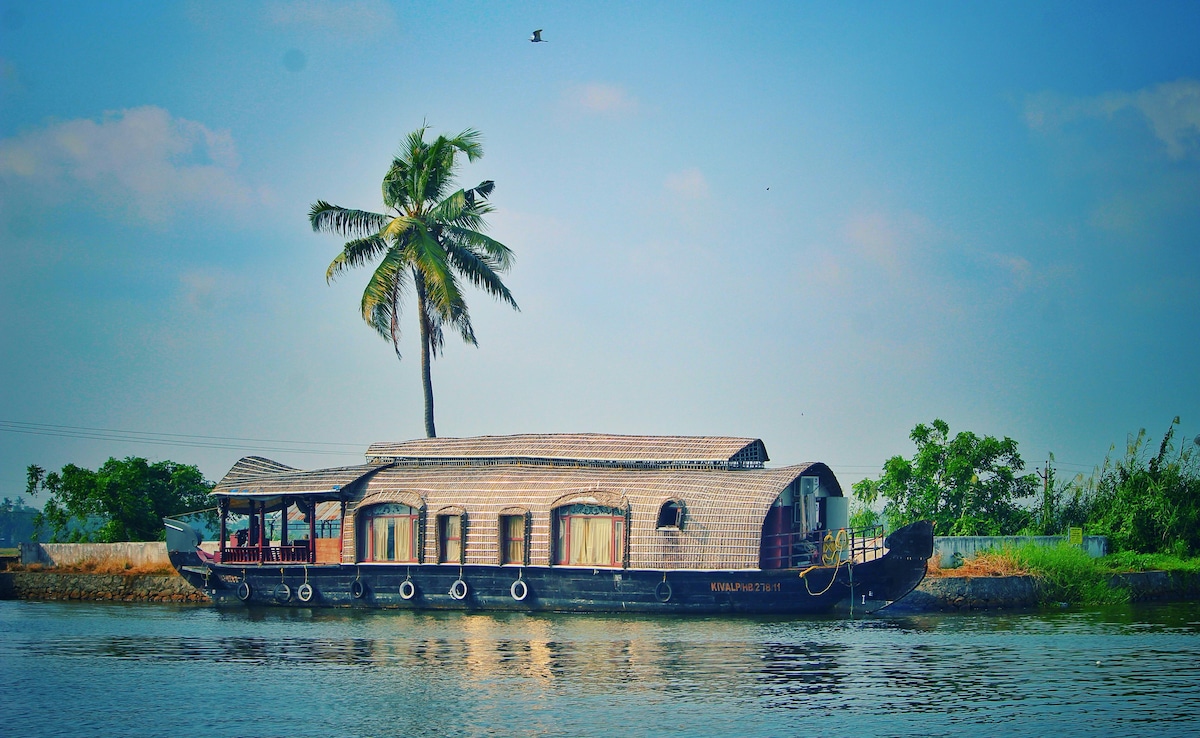
Photo Credit: Pexels
Kerala Planned Tourism Before Mass Travel Took Over
Many Indian destinations expanded tourism reactively. Kerala did it early and deliberately.
- Backwaters regulated from the start
Houseboats follow licensing norms, designated routes, and safety standards, which has prevented complete overcrowding. - Hill stations kept relatively controlled
Munnar developed without turning into a loud commercial strip dominated by malls and unchecked construction. - Wildlife tourism remains managed
Areas like Periyar limit access and regulate movement instead of maximising footfall at the cost of ecosystems.
This planning explains why Kerala still feels breathable even during peak seasons.
Why Kerala Is Designed for Repeat Travel, Not One-Time Sightseeing
Kerala does not sell itself as a destination to be finished in one trip.
- First visits focus on landscapes and water based travel
Hills, backwaters, and beaches form the initial draw. - Second visits slow down
Food trails, village stays, and quieter regions become the priority. - Later visits centre on wellness and longer stays
Ayurveda, seasonal food, and extended breaks replace sightseeing.
The state supports this because experiences shift with seasons and regions, making return trips feel different rather than repetitive.
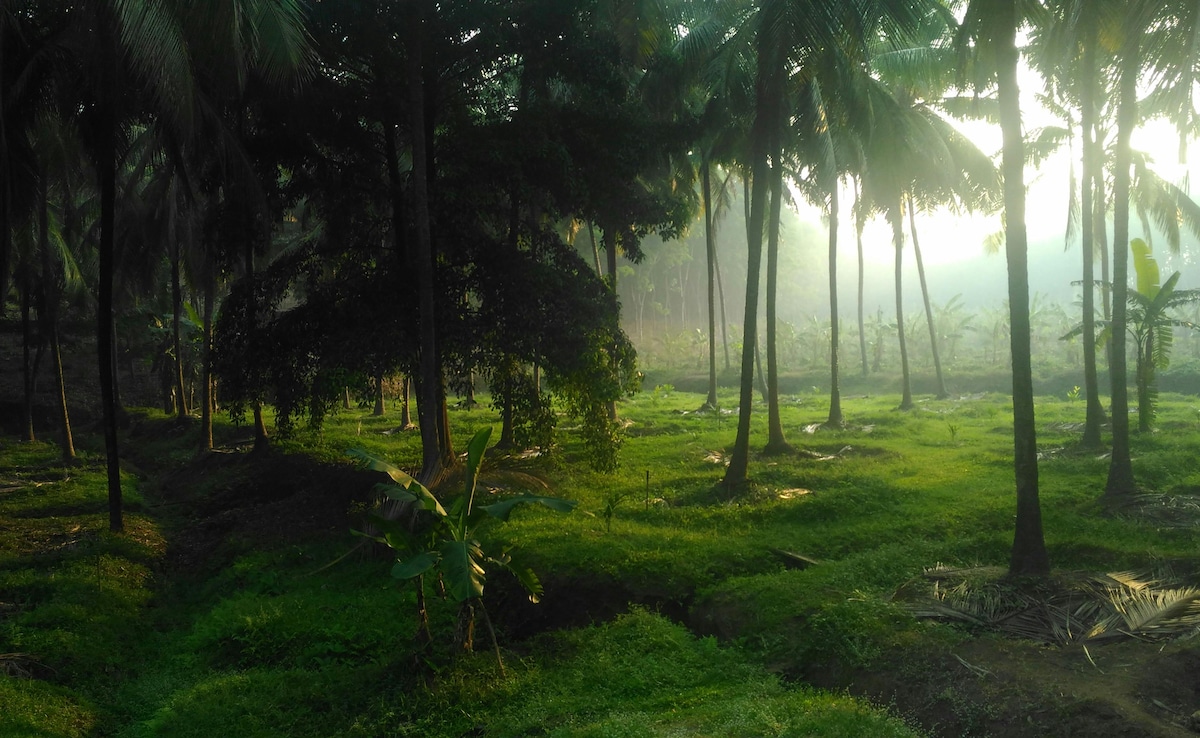
Photo Credit: Pexels
Food and Ayurveda Function as Systems, Not Attractions
This is where Kerala differs sharply from many tourist states.
- Kerala cuisine is rooted in home cooking
Coconut, rice, spices, seafood, and vegetables form everyday meals, not restaurant inventions designed for visitors. - Food is naturally balanced and seasonal
The cuisine supports digestion and long stays rather than indulgent short-term eating. - Ayurveda is integrated into daily life
Treatments focus on preventive care and long term well being, not spa indulgence alone.
This everyday relationship with food and wellness explains why Kerala appeals strongly to travellers seeking restorative travel.
Who Kerala Is Best Suited For as a Travel Destination
Kerala works particularly well for certain travel styles.
- Slow travellers who prefer depth over checklists
- Families and older travellers who value comfort and predictability
- Solo travellers seeking safety and social ease
- First time visitors to India looking for a gentler entry point
- Wellness travellers planning longer stays
It may feel less appealing to travellers looking for nightlife driven holidays or fast paced sightseeing marathons.
Also Read: Top Places To Visit In Tamil Nadu This January And How To Plan Your Trip
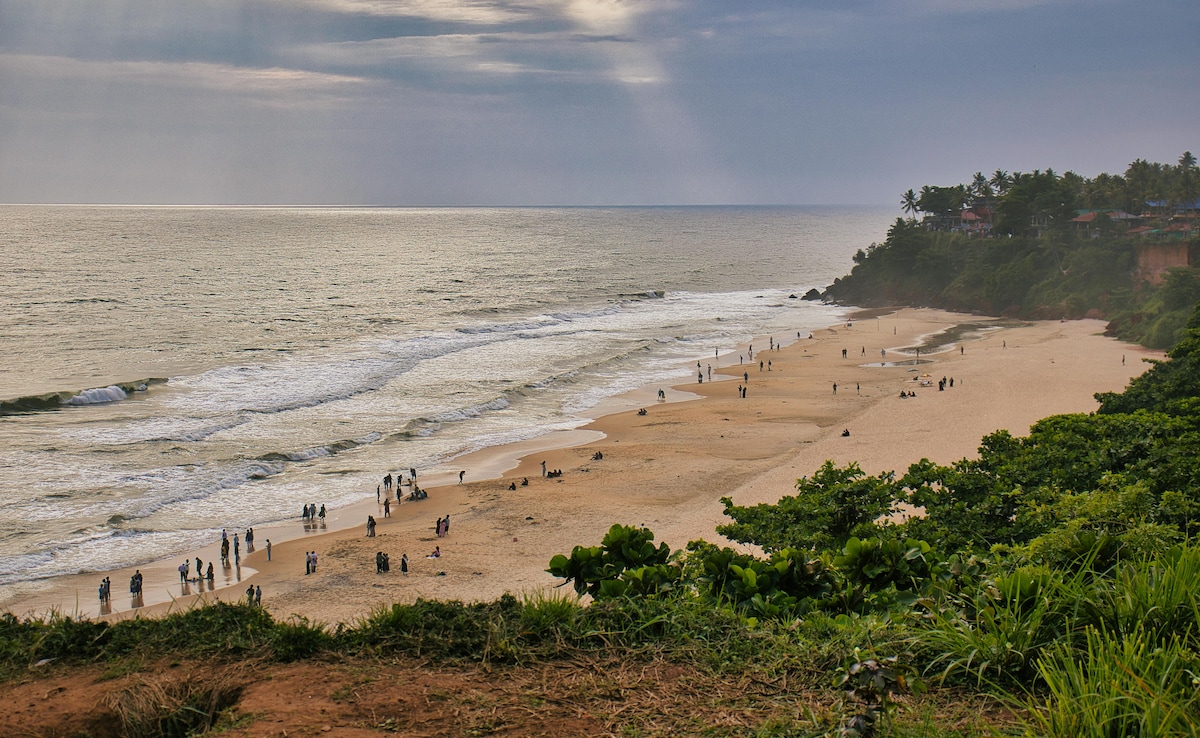
Photo Credit: Pexels
Where to Go in Kerala Based on Travel Style
- Munnar
Ideal for cooler weather, tea plantations, and hill landscapes. - Alleppey
Best for backwater travel and houseboat based stays. - Wayanad
Suited to forest landscapes, waterfalls, and low density tourism. - Kochi
Works well for food focused travel, history, and urban comfort. - Varkala
A quieter beach destination with a slower pace and scenic views. - Thekkady
Known for wildlife tourism and the Periyar forest region.
Each destination serves a clear purpose, making itinerary planning more intuitive.
Kerala does not succeed as a tourist destination by trying to impress. It succeeds because it works. Travel feels manageable, systems feel reliable, and experiences feel connected rather than chaotic. That combination is rare. It explains why travellers return not to tick off more sights, but to spend time differently. In an era where travel fatigue is real, Kerala offers something increasingly valuable: a destination that understands how people want to travel today.
Track Latest News Live on NDTV.com and get news updates from India and around the world


