






The introduction of the Khel Mahakumbh in 2010 by then Gujarat Chief Minister Narendra Modi laid the foundation for the state's sporting ambitions. That trajectory has now culminated in Ahmedabad being chosen to host the 2030 Commonwealth Games (CWG). The announcement on 26 November marks a momentous milestone in the city's growth story.
For Ahmedabad - India's first UNESCO World Heritage City - hosting the 2030 CWG is not merely a sporting aspiration. It is a strategic step towards becoming a global urban and economic powerhouse. If organised smartly and transparently, the Games could act as a catalyst for transformation on the scale of Barcelona's 1992 Olympics or Birmingham's 2022 urban renewal.
The event gives the twin cities of Gandhinagar-Ahmedabad an opportunity to reshape their infrastructure, elevate their global profile, and accelerate their long-term development. It is also a clear signal that India wants to position itself as a sports destination of repute - a logical move given that the country has submitted a Letter of Intent for the 2036 Olympics with Ahmedabad as the main venue.
Infrastructure Push
Mega events like the CWG carry tight deadlines, political momentum, and international accountability - conditions under which urban infrastructure tends to improve at unprecedented speed.
With most events concentrated in the Gandhinagar-Ahmedabad region - except for cycling at the Statue of Unity near Kevadia and women's cricket in Vadodara - construction and logistics will be comparatively streamlined.
The newly inaugurated Veer Savarkar Sports Complex in Naranpura, touted as the largest sports complex in India, will play a central role in the Games. According to authorities, construction of two more integrated sports hubs - the Sardar Vallabhbhai Patel Sports Enclave and the Police Academy Sports Hub - will begin in April 2026 and be completed by late 2028 or early 2029. Together, these facilities will serve as core CWG venues while strengthening Gujarat's long-term sporting ecosystem.
Ahmedabad is already on a rapid modernisation path, with the Sabarmati Riverfront, GIFT City corridor, BRTS network, metro expansion, and new arterial roads. With the CWG deadline looming, the cities are likely to see accelerated work on metro links - especially last-mile connectivity - upgraded roads and flyovers, reduced congestion, and smoother east-west and airport access.
Crucially, the infrastructure will outlast the Games, nurturing not only local sporting talent but also attracting national training camps and bolstering Ahmedabad's bid for future international competitions.
Economic Hub and Job Creation
Birmingham's 2022 CWG contributed an estimated £1.2 billion to the UK economy. A similar - or potentially greater - multiplier effect is anticipated in Ahmedabad.
The 2030 Games will generate thousands of jobs across construction, event management, sports science and coaching, security, hospitality, tourism, transportation, digital services, and marketing. More importantly, they will raise workforce skills across sectors.
The city is also likely to witness increased migration, driving up housing demand.
Ahmedabad will find itself in the global spotlight, drawing lakhs of visitors, media personnel, athletes, delegates, and corporate sponsors. Real-estate values are projected to rise by 25-30% in the coming years, fuelled by CWG-linked development.
The hospitality sector alone is expected to require around 20,000 additional star-category hotel rooms - with the potential to create 50,000 jobs in Ahmedabad. Increased visitor inflow will raise hotel occupancy and boost revenues for local businesses, including textiles, handicrafts, food services, and tourism-linked enterprises.
Ahmedabad as a Cultural Hub
Despite its rich cultural tapestry, Ahmedabad - and Gujarat more broadly - remains under-leveraged as a tourist destination. CWG 2030 offers a rare opportunity to showcase the state's heritage to the world. International broadcasters will beam visuals of the city's architectural marvels, textile traditions, and modern infrastructure into millions of homes across more than 70 Commonwealth nations.
Gujarat's handicrafts, folk arts, textiles, and cuisine could find global visibility through cultural villages, ceremonies, exhibitions, and tourism campaigns.
The state's rising seriousness about sports is evident in the increase in its sports budget - from ₹2.5 crore to ₹521 crore over the past two decades. These funds have gone into infrastructure, talent scouting through the Khel Mahakumbh, and support for athletes.
A common criticism of mega-events like the Asian Games or CWG is the risk of inflated costs or "white elephant" infrastructure. Ahmedabad has the chance to model a different approach. Plans already include reusing and upgrading existing facilities and using university hostels as athlete villages.
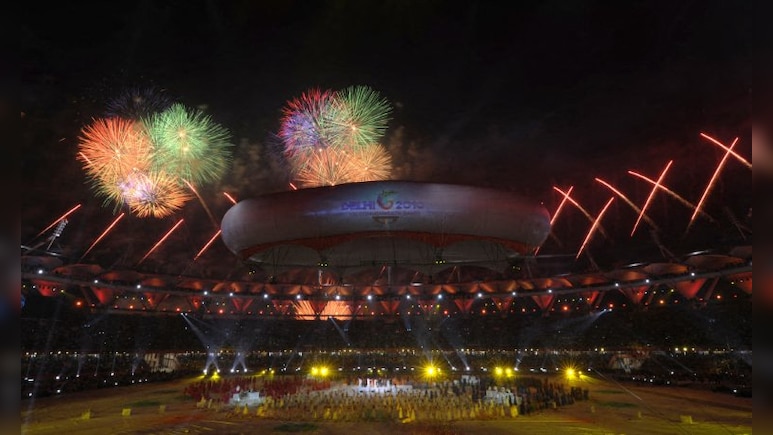
Learning from the corruption-tainted 2010 Delhi CWG, the Organising Committee for the 2030 edition will be constituted as a not-for-profit company under Section 8 of the Companies Act, 2013. This structure is meant to enforce transparency through compulsory project audits and monitoring committees.
If executed with accountability, Ahmedabad could set a new benchmark for sustainable mega-event hosting in the Global South.
(The author is Contributing Editor, NDTV)
Disclaimer: These are the personal opinions of the author

