





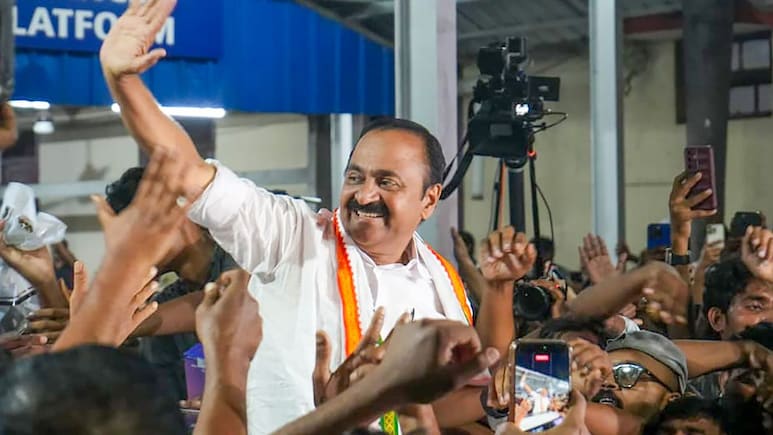
- VD Satheesan is set to become Kerala's 13th chief minister
- He overcame challenges from senior Congress leaders KC Venugopal and Ramesh Chennithala
- Satheesan pledged inclusive governance and engagement with key community organizations
The Cantonment House and Cliff House are hardly three kilometres apart in the heart of Thiruvananthapuram. But for VD Satheesan, who is poised to be Kerala's 13th chief minister, that short drive carries the story of one of the sharpest political turnarounds in recent politics.
Cantonment House, the official residence of Kerala's Leader of the Opposition, has often housed leaders waiting for another chance at power. Cliff House, the official residence of the chief minister, represents the centre of political authority in the state. The distance between the two is small on the map. Politically, however, it can take years to cross.
When the Congress-led UDF was decimated in 2021, few imagined Satheesan would be the man to make that journey. The defeat had shaken the Congress to its core. The Left had returned to power with history on its side, becoming the first front in decades to win consecutive terms in Kerala.
Read: Trouble For Congress In Kerala, Nair Community Body Slams VD Satheesan
Satheesan inherited a demoralised opposition, faction-ridden leadership battles, and a cadre struggling for direction. Five years later, he enters Cliff House as the man who rebuilt the UDF and led it back to power.
Yet, even after the UDF's massive victory of 102 seats, the road to the chief minister's chair was not easy for Satheesan.
The biggest challenges before him came from two senior Congress leaders, KC Venugopal and Ramesh Chennithala.
Venugopal had a strong influence within the Congress high command in Delhi and remained one of the most powerful organisational leaders in the party. Chennithala, meanwhile, enjoyed the reputation of being a disciplined loyalist and a senior leader who had mentored an entire generation of Kerala Congress politicians, including both Satheesan and Venugopal.
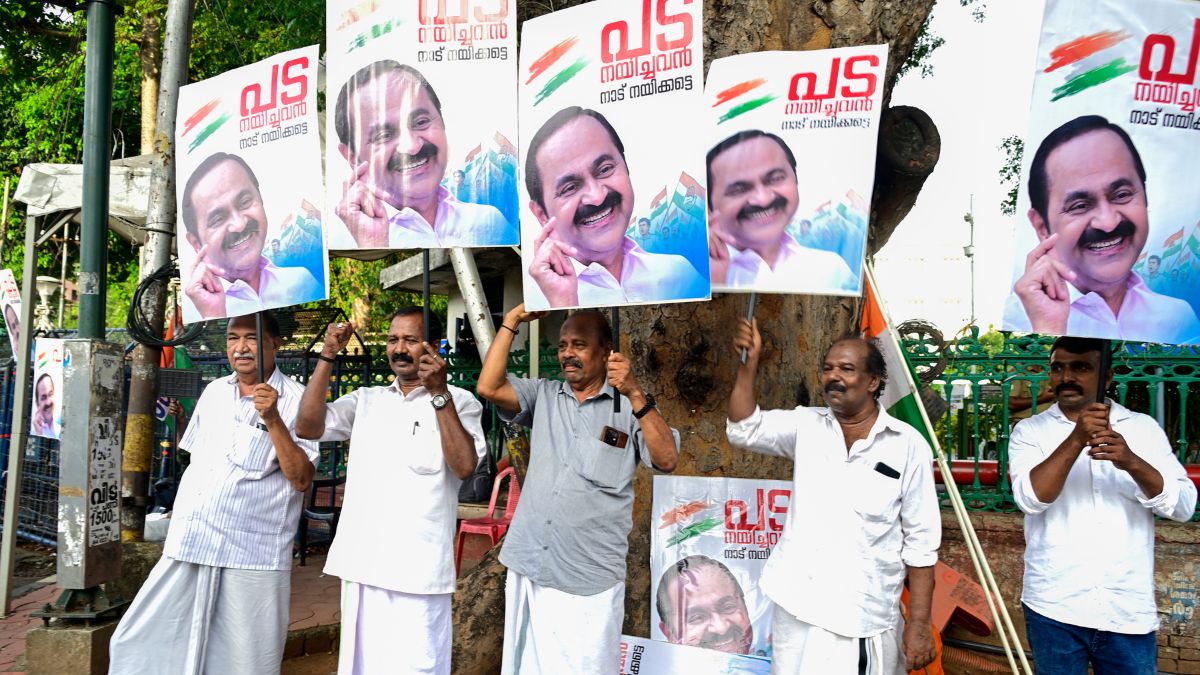
For 11 days after the election results, intense discussions continued within the Congress leadership. With every meeting in Delhi, the chances appeared to shift between the three leaders. Political circles in Kerala closely tracked every development as lobbying, consultations, and negotiations continued behind closed doors.
In the end, it was Satheesan who emerged successful.
In an exclusive conversation with NDTV shortly after the AICC cleared his name for the top post, Satheesan struck a conciliatory tone. He said he would carry everybody along with him and insisted that dissent was part of democracy.
"Those who dislike me, those who stood against me, those who criticised me, all of them have every right to do so," he said.
Satheesan also signalled outreach towards influential community organisations in Kerala, including the Nair Service Society and the SNDP Yogam. He said his government would engage with all sections and take them into confidence.
But the political victory now gives way to a much larger administrative challenge.
Read: Congress Picks VD Satheesan For Kerala, BJP Fires 'Muslim League' Jibes
Kerala faces rising unemployment, a growing migration of students and young professionals abroad, and a worsening fiscal situation. A large share of the state's treasury income continues to go towards salaries and pensions.
Satheesan believes revenue reform is the answer.
In earlier interviews, he repeatedly pointed to what he called serious leakages and inefficiencies in state revenue collection. One example he often cited was gold revenue. According to him, despite a massive rise in gold prices over the last two decades, the state's revenue collection from the sector has remained largely stagnant.
"These are the gaps we need to address," Satheesan had told NDTV earlier while outlining his economic roadmap.
The challenge before him is also political. The Congress campaign carried several welfare promises strongly backed by Rahul Gandhi, including free public transport for women and expanded financial assistance schemes. Implementing those promises will require substantial new resources at a time when the state's finances are already stretched.
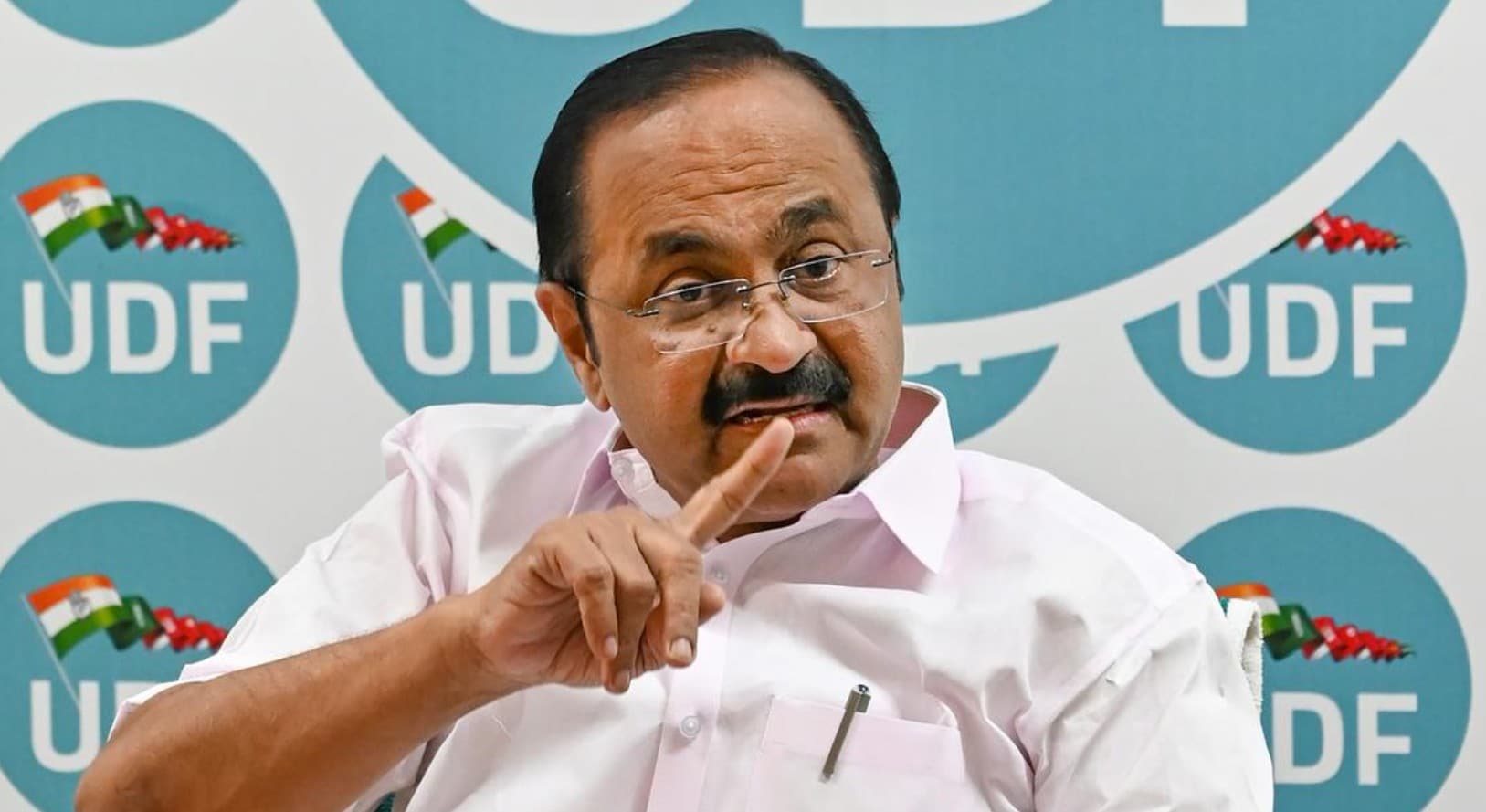
At the same time, Satheesan must keep together a large and diverse ruling coalition after a massive electoral victory. For the first time in decades, the Congress crossed the 60-seat mark on its own in the Assembly, giving the party a level of dominance within the UDF not seen in recent years.
Satheesan also carries another political burden. His critics, particularly the BJP, have often portrayed him as being too close to the Indian Union Muslim League. The Congress leader has consistently rejected attempts to communalise coalition politics in Kerala and has projected himself instead as a leader rooted in constitutional and Nehruvian politics.
Even critics acknowledge his strengths.
Satheesan combines the instincts of a politician with the training of a lawyer. A former practicing advocate at the Kerala High Court, he is known for his sharp legislative interventions, command over public communication, and detailed preparation on policy matters. Colleagues often describe him as a serious reader who spends long hours studying governance and economics.
During his statewide outreach campaigns in opposition, Satheesan repeatedly argued that Kerala needed an alternative development model rooted in fiscal discipline, administrative reform, and job creation.
Now, for the first time, he has the opportunity to test those ideas in government.
One phrase has stood out repeatedly in his speeches after the victory: "Team UDF."
Even after becoming Chief Minister, Satheesan has continued to frame the mandate as a collective effort rather than a personal triumph. Building that team, and holding it together while navigating Kerala's political and financial pressures, may ultimately define whether his journey from Cantonment House to Cliff House becomes a lasting political success story.
Track Latest News Live on NDTV.com and get news updates from India and around the world

